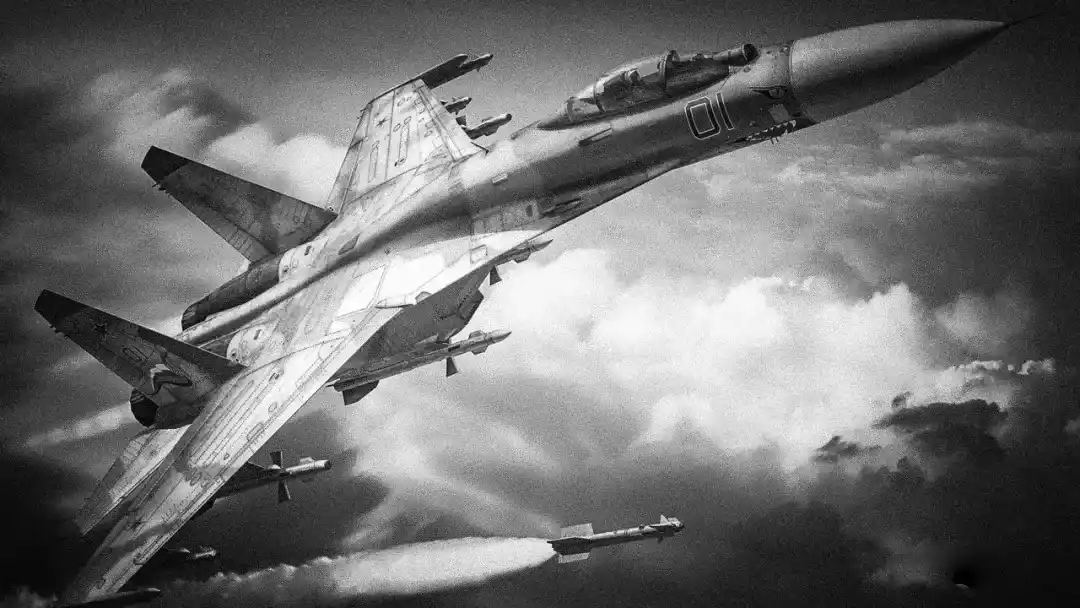
The Sukhoi Su-27, known by its NATO designation “Flanker,” has been a cornerstone of Russian aerial defense since its induction in the mid-1980s. Designed to counter Western counterparts like the F-15 Eagle, the Su-27 distinguished itself with exceptional maneuverability, extended range, and formidable combat capabilities. As of February 2025, while the Su-27 has not been entirely retired from the Russian Aerospace Forces (VKS), its role has significantly diminished, making way for more advanced aircraft in frontline service.
Operational History and Modernization Efforts
Initial Deployment and Capabilities
The Su-27 entered service with the Soviet Air Force in 1984, with nearly a hundred units produced by the end of 1985. Its introduction marked a significant advancement in air superiority, boasting unparalleled maneuverability and combat effectiveness among its contemporaries. The aircraft’s design focused on achieving and maintaining air dominance, equipped with powerful engines and advanced avionics for its time.
Mid-Life Upgrades: The Su-27SM and Su-27SM3
Recognizing the need to enhance the Su-27’s capabilities to meet evolving threats, Russia initiated a modernization program in the early 2000s. The Su-27SM variant emerged from this effort, featuring an updated fire-control system, improved radar capable of deploying R-77 missiles, and enhanced avionics. These upgrades extended the aircraft’s operational relevance and improved its multirole functionality.
Further advancements led to the development of the Su-27SM3. This variant incorporated more powerful AL-31F-M1 engines and the “Leopard-E” radar system, aligning some of its capabilities with the newer Su-35S. Between 2010 and 2011, Russia produced 12 new Su-27SM3 units and upgraded an additional 12 existing Su-27s to this standard. These aircraft were actively deployed, including missions in Syria until the arrival of the Su-35S.
Current Status as of February 2025
Fleet Composition and Distribution
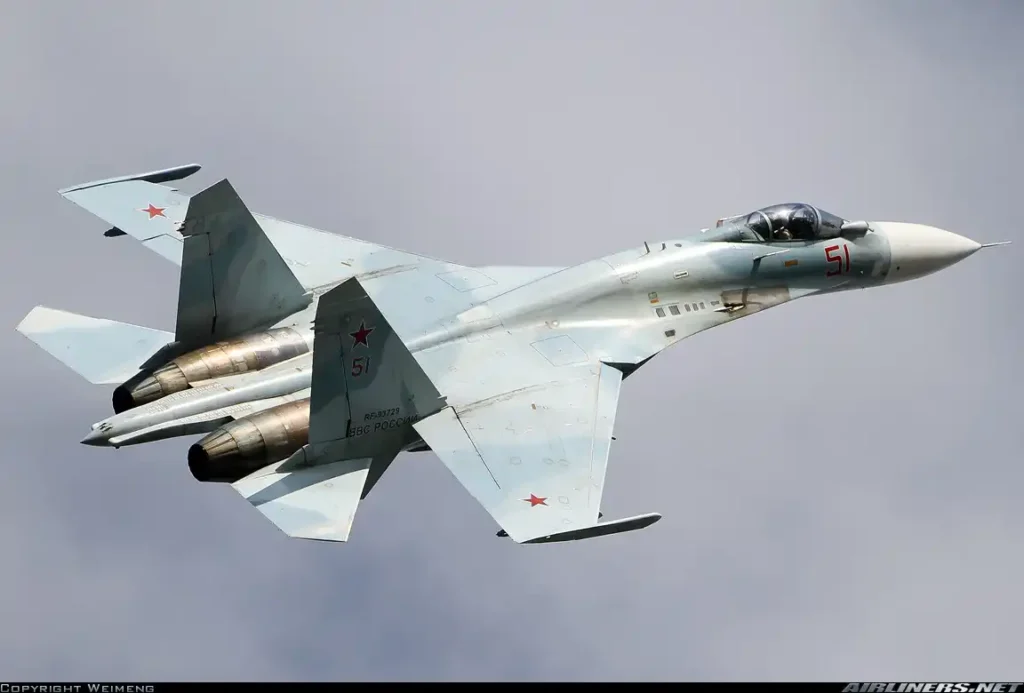
As of 2025, the VKS maintains a fleet of Su-27s, though their numbers have been steadily decreasing. The fleet includes various models:
- Su-27: Approximately 15 units remain in service, primarily used for training and secondary roles.
- Su-27UB: Around 12 units, serving as operational trainers.
- Su-27SM: About 25 units, offering enhanced capabilities over the original design.
- Su-27SM3: 19 units, representing the most advanced iteration of the Su-27 in Russian service.
These aircraft are distributed across various regiments, with a notable concentration of Su-27SM3s stationed at Krymsk Airbase. Despite their reduced frontline role, these jets remain integral to certain operational scenarios and training missions.
Operational Deployments and Recent Engagements
While the Su-27’s prominence in frontline combat has diminished, it continues to serve in specific capacities:
- Intercept Missions: Su-27s have been scrambled to intercept foreign aircraft approaching Russian airspace. For instance, in mid-2024, a Su-27 intercepted a British Royal Air Force RC-135 reconnaissance aircraft and accompanying Eurofighter Typhoons over the Black Sea.
- Training Exercises: The aircraft remains a staple in various training programs, providing pilots with experience on a platform that, while aging, offers valuable insights into air combat dynamics.
Factors Influencing the Phasing Out of the Su-27
Advancements in Aircraft Technology
The development and induction of advanced fighters such as the Su-30SM, Su-35S, and the fifth-generation Su-57 have overshadowed the Su-27’s capabilities. These modern aircraft offer superior avionics, stealth features, and multirole versatility, rendering the Su-27 less competitive in contemporary combat scenarios. The Su-57, in particular, is designed to fulfill roles that the Su-27 was initially intended for, but with enhanced performance and survivability.
Maintenance and Economic Considerations
The Su-27’s design, dating back to the Soviet era, presents challenges in terms of maintenance and operational costs. The airframe’s age means increased wear and tear, leading to higher upkeep expenses. Reports indicate that a significant portion of Russia’s aircraft fleet, including approximately 100 Su-27s, are nearing the end of their operational life. This impending obsolescence necessitates either extensive overhauls or retirement.
Strategic Realignment and Resource Allocation
Russia’s military strategy emphasizes the integration of modern, multirole fighters capable of addressing diverse threats. Allocating resources to maintain an aging fleet like the Su-27 is increasingly viewed as inefficient, especially when newer platforms offer enhanced capabilities. This strategic shift is evident in procurement patterns favoring advanced aircraft and the gradual decommissioning of older models.
Comparative Analysis with International Operators
The Su-27 has seen service beyond Russia’s borders, with various countries adopting and eventually retiring the platform based on their specific needs:
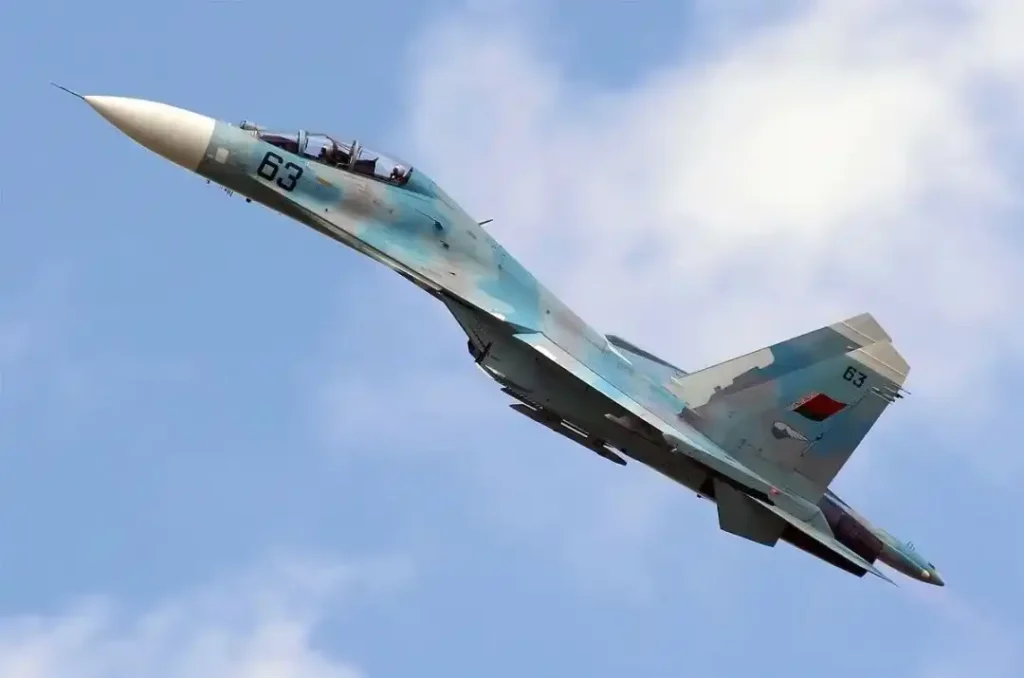
- Belarus: Retired its Su-27 fleet in 2012, citing high operational costs and the aircraft’s unsuitability for the country’s defense requirements.
- Indonesia: Operated a small number of Su-27s before transitioning to the more modern Su-30MK2 and Su-35, reflecting a global trend away from the legacy Su-27 in favor of newer models.
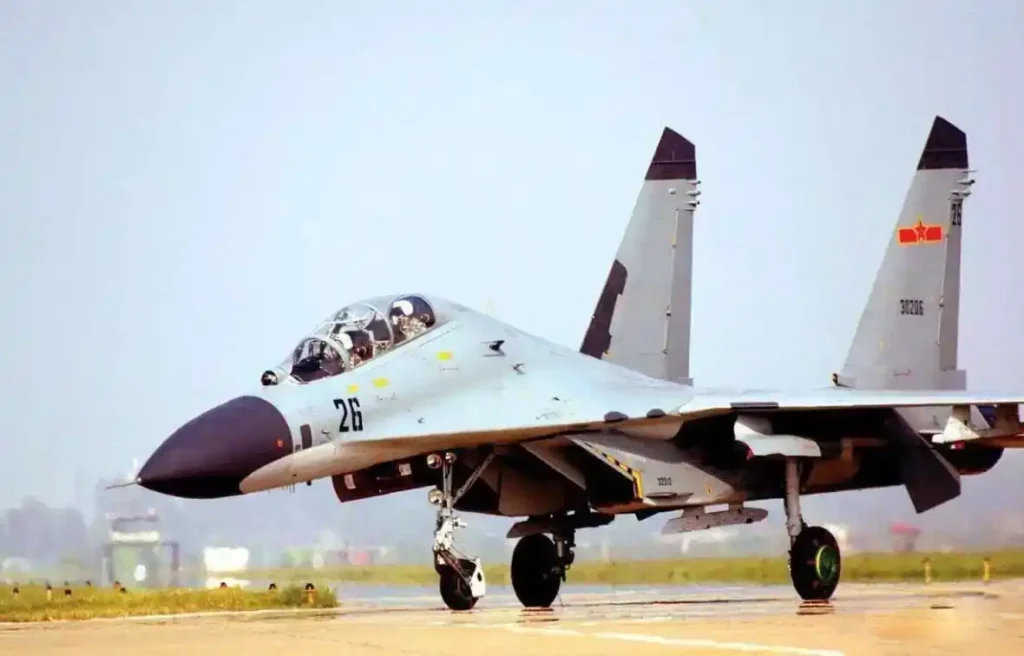
- China: Originally imported Su-27SKs in the 1990s but phased them out in favor of locally produced J-11 derivatives, which offer improved avionics and weapons integration. The J-16, an advanced multirole fighter, has entirely surpassed the capabilities of the original Su-27 design.
- Ukraine: Continues to operate a dwindling number of Su-27s but has suffered significant losses during ongoing conflicts. Reports indicate that the Su-27’s vulnerability to modern air defense systems has accelerated discussions about replacing the platform.
These cases reinforce the broader trend of Su-27 retirement worldwide, with nations prioritizing either next-generation Russian aircraft, domestically produced alternatives, or Western fighter jets.
Projected Timeline for Full Retirement in Russia
Short-Term Outlook (2025-2030)
In the near future, we expect the Su-27SM and Su-27SM3 variants to remain operational in reduced capacities. They will likely continue airspace policing, training roles, and secondary combat missions, particularly in regions where threats are minimal. However, as more Su-35S units enter service and Russia scales up production of the Su-57, the need for the Su-27 in active duty will diminish.
Additionally, maintenance constraints will likely push Russia to retire older airframes rather than invest in costly overhauls. The early retirement of some Su-27s due to airframe fatigue will likely accelerate the phasing-out process.
Long-Term Outlook (Beyond 2030)
By the 2030s, we anticipate that the last remaining Su-27s will be retired from frontline service, leaving only a few units in specialized roles, such as aggressor squadrons or research and development platforms. The introduction of sixth-generation aircraft, which Russia has hinted at developing, will further cement the Su-27’s obsolescence.
At this stage, the VKS will have fully transitioned to Su-30SM2, Su-35S, and Su-57 fighters, with limited legacy aircraft remaining in any meaningful capacity.
Conclusion: The Su-27’s Legacy and Its Gradual Exit
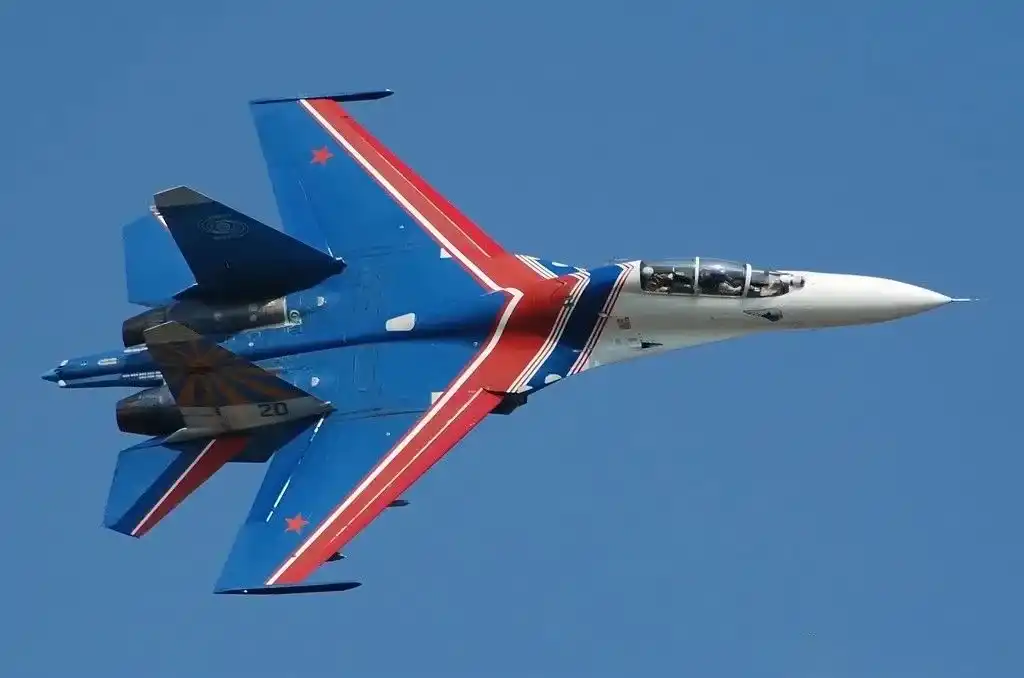
The Sukhoi Su-27 remains a historically significant aircraft, having shaped Russian and global air combat doctrine for decades. However, as of 2025, it is clear that its time in frontline service is nearing its end. The progressive retirement process is driven by advancements in aircraft technology, rising maintenance costs, and shifting strategic priorities within the Russian Aerospace Forces.
While not yet officially retired in its entirety, the Su-27 has already been displaced from key combat roles by more capable aircraft like the Su-35S and Su-57. Over the next decade, the remaining Su-27 units will either transition to training roles, storage, or complete decommissioning. This marks the end of an era for one of Russia’s most iconic air superiority fighters.
Frequently Asked Questions (FAQ)
Has Russia officially retired the Su-27?
No, as of 2025, Russia has not fully retired the Su-27, but the aircraft is no longer a frontline fighter. Upgraded variants like the Su-27SM3 remain in service, albeit in diminishing numbers.
What aircraft are replacing the Su-27 in Russian service?
The primary replacements are the Su-30SM2, Su-35S, and the Su-57. These aircraft provide stealth capabilities, better avionics, and superior air combat performance.
Will any Su-27s be preserved for historical or training purposes?
Yes, some Su-27s are expected to be retained in training roles or museum exhibits, and potentially used in aggressor squadrons for combat training exercises.
When will the Su-27 be fully retired?
A precise date is unknown, but current trends indicate that most Su-27s will be retired between 2025 and 2030, with some lingering in non-combat roles until the early 2030s.