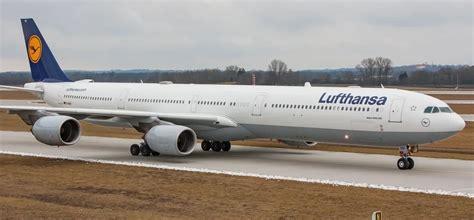
The quiet disappearance of four-engine aircraft from Lufthansa’s fleet is not just a fleet update—it’s a structural shift in how long-haul aviation works in the modern era. For decades, aircraft like the Airbus A340 and Boeing 747 defined intercontinental travel, embodying range, engineering redundancy, and unmistakable prestige. Today, those same symbols are being retired faster than anyone expected, not because they failed—but because the world around them changed.
Lufthansa once stood as one of the largest operators of quadjets globally, with more than 60 four-engine aircraft at its peak. These aircraft weren’t just tools; they were the backbone of global connectivity, linking Frankfurt and Munich to virtually every major continent. Yet, what once made them indispensable now makes them inefficient.
The airline’s accelerated decision signals something deeper than fleet modernization. It reflects a hard economic pivot, where sentiment has little room and operational survival dictates every move. The pace of change has caught even seasoned industry observers off guard.
The Accelerated Exit: A Timeline That Shrunk Overnight
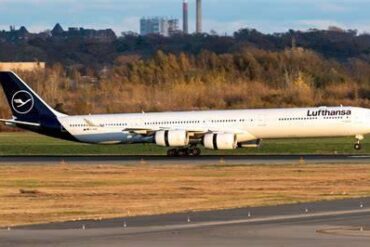
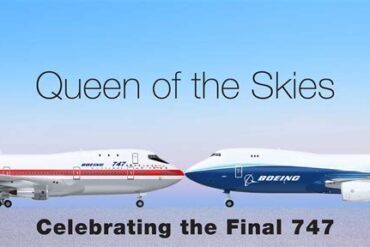
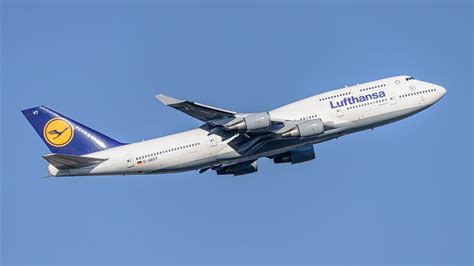
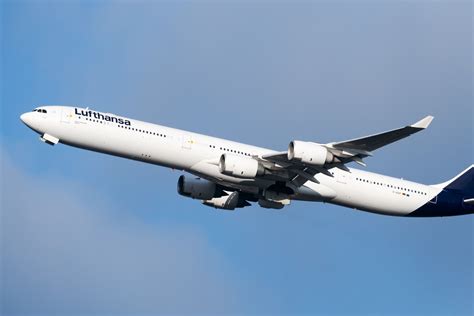
Lufthansa had long intended to retire parts of its quadjet fleet gradually, stretching into the late 2020s. That plan no longer holds. The Airbus A340-600, once a flagship of efficiency in its own right, is now scheduled to exit by October 2026, years ahead of its expected retirement window. Meanwhile, the Boeing 747-400, a legend of long-haul aviation, is steadily being phased out, with full retirement expected by 2027.
What’s striking is not just the timeline—it’s the urgency behind it. Aircraft that still have usable economic life are being grounded early or flown less frequently. Airlines traditionally extract maximum value from widebody jets over 25 to 30 years, but Lufthansa is choosing to walk away sooner, absorbing financial losses in exchange for long-term stability.
This isn’t poor planning—it’s adaptive strategy under pressure. The airline is effectively trading short-term write-downs for long-term cost control, a move that signals just how dramatically the economics have shifted.
Fuel Costs: The Ruthless Catalyst Behind the Shift
If there’s a single force driving this rapid transformation, it’s fuel economics—and it’s not subtle. Jet fuel has always been one of the largest cost components for airlines, typically accounting for 25–35% of total operating expenses. Recently, that figure has surged, driven by geopolitical instability and supply uncertainty.
The 2026 Iran crisis and tensions around the Strait of Hormuz—a critical artery for global oil transport—have injected volatility into fuel markets. Prices have repeatedly surged past the equivalent of $100 per barrel, creating a cost environment that punishes inefficiency.
Quadjets are particularly vulnerable. A four-engine aircraft like the A340-600 consumes approximately 10–15% more fuel per seat than a modern twin-engine jet such as the Airbus A350. On a single long-haul route, that difference translates into tens of thousands of dollars in additional cost per flight.
Multiply that across hundreds of weekly flights, and the math becomes brutal. Lufthansa isn’t just trimming costs—it’s cutting out structural inefficiencies that compound at scale.
The Efficiency Revolution: Twinjets Redefine Long-Haul Travel
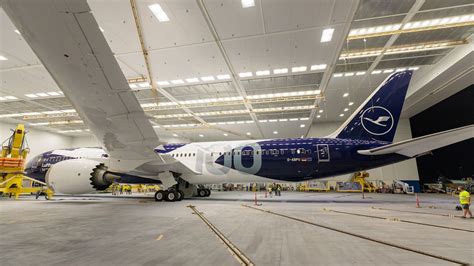
Modern aircraft like the Airbus A350 and Boeing 787 Dreamliner have rewritten the rules of long-haul aviation. Built with over 50% composite materials, these aircraft are lighter, stronger, and significantly more efficient than their predecessors.
The numbers tell the story clearly. Compared to older quadjets, these twin-engine aircraft deliver:
- 20–25% lower fuel consumption per seat
- Reduced CO₂ emissions, aligning with stricter environmental regulations
- Greater range flexibility, enabling ultra-long-haul routes without additional engines
This isn’t incremental improvement—it’s a generational leap in performance. Airlines that continue operating older aircraft alongside these new models face a widening competitive gap, both economically and environmentally.
For Lufthansa, adopting these aircraft isn’t optional. It’s a competitive necessity in a market where margins are thin and regulatory pressures are tightening.
Maintenance Burden: Four Engines, Four Times the Complexity
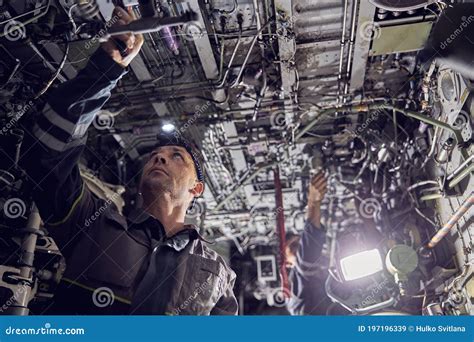
Fuel isn’t the only issue. Quadjets carry an inherent disadvantage in maintenance complexity. Four engines mean more inspections, more parts, and more opportunities for failure. Engine-related maintenance alone can account for 30–40% of total aircraft upkeep costs.
As these aircraft age, the problem intensifies. Lufthansa’s A340-600 fleet, now typically between 15 and 20 years old, requires increasingly frequent and intensive maintenance checks. These include:
- Shorter inspection intervals
- Higher replacement rates for aging components
- Longer downtimes during heavy maintenance cycles
And then there’s the supply chain reality. As manufacturers shift focus to newer aircraft, sourcing parts for older models becomes more expensive and less reliable. It’s like maintaining a classic car—charming, but not exactly practical when you rely on it daily.
The result is a compounding cost structure that becomes harder to justify with each passing year.
Fleet Simplification: Lufthansa’s Strategic Reset
Behind the scenes, Lufthansa is pursuing something far more comprehensive than aircraft replacement. The goal is fleet simplification, a strategy that reduces complexity across operations.
By narrowing its fleet to fewer aircraft types—primarily A350s, 787s, and eventually the 777X—the airline gains multiple advantages:
- Streamlined maintenance systems
- Reduced spare parts inventory
- Simplified pilot and crew training
- Improved operational reliability
This shift isn’t glamorous, but it’s powerful. Airlines thrive on efficiency, and simplifying the fleet is one of the most effective ways to achieve it. It’s the aviation equivalent of decluttering—except the stakes are measured in billions of euros.
Broader Industry Pressures Reshaping Lufthansa
Lufthansa’s decision doesn’t exist in isolation. It’s part of a broader restructuring effort shaped by multiple external pressures. European carriers, in particular, face rising labor costs, increased competition from low-cost airlines, and aggressive expansion by Gulf carriers.
At the same time, operational disruptions—from strikes to supply chain bottlenecks—have made long-term planning more fragile. Lufthansa is responding with a combination of cost-cutting measures, route optimization, and organizational restructuring.
Some long-haul routes are being shifted to lower-cost subsidiaries, while capacity is being adjusted to match demand more precisely. The retirement of quadjets fits neatly into this strategy, acting as a high-impact lever for immediate cost reduction.
The Emotional Undercurrent: Saying Goodbye to Icons
There’s an undeniable emotional dimension to this transition. Aircraft like the Boeing 747 are more than machines—they are icons of aviation history. For passengers, they represent a golden era of travel; for airlines, they symbolize decades of global expansion.
But nostalgia doesn’t pay fuel bills.
Even Lufthansa’s partial reintroduction of the Airbus A380 highlights this tension. While high-capacity quadjets can still perform well on dense routes, their long-term viability remains uncertain in a world increasingly focused on efficiency and sustainability.
The industry isn’t abandoning these aircraft because they lack capability—it’s because they no longer fit the economic reality.
A Broader Industry Shift: The End of the Quadjet Era
Lufthansa’s move reflects a wider trend across global aviation. The dominance of four-engine aircraft peaked in the early 2000s. Today, nearly all new widebody orders are for twin-engine models.
Production lines tell the story:
- The Airbus A340 is long discontinued
- Passenger versions of the Boeing 747 are no longer in production
- New investments are focused almost entirely on efficient twinjets
This isn’t a gradual transition anymore—it’s a rapid industry-wide pivot. External pressures, including high fuel costs, environmental regulations, and supply chain challenges, have accelerated the timeline significantly.
Quadjets are becoming rare sights, shifting from everyday workhorses to specialized or legacy roles.
What Comes Next: Lufthansa’s Future Fleet Vision
Looking ahead, Lufthansa’s fleet will increasingly revolve around aircraft designed for efficiency, flexibility, and sustainability. The Airbus A350 and Boeing 787 will form the backbone of long-haul operations, with the Boeing 777X expected to add capacity and range in the coming years.
These aircraft offer:
- Lower operating costs
- Reduced environmental impact
- Greater adaptability across routes
In practical terms, passengers may notice quieter cabins, improved air quality, and more consistent onboard experiences. Behind the scenes, Lufthansa gains a fleet that is better aligned with the realities of modern aviation.
Conclusion: A Strategic Farewell Driven by Economics
Lufthansa’s decision to retire its quadjets sooner than expected isn’t a symbolic gesture—it’s a calculated response to a changing world. Rising fuel costs, evolving technology, and shifting market dynamics have converged to make four-engine aircraft increasingly impractical.
What’s unfolding is the closing chapter of a remarkable era. Quadjets will remain icons of aviation history, remembered for their role in connecting the world at scale. But their time as frontline workhorses is ending.
In their place comes a new generation of aircraft built for a different reality—one where efficiency isn’t just an advantage, but a requirement. Lufthansa isn’t just keeping up with this shift; it’s leaning into it, decisively and without hesitation.
And in an industry where hesitation can be costly, that decisiveness may prove to be its greatest strength.