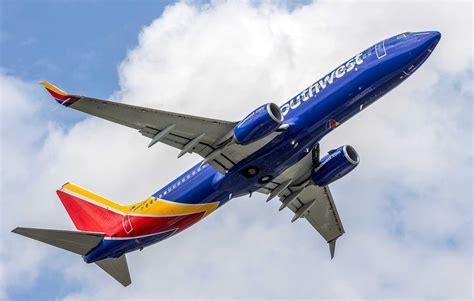
Southwest Airlines has built its reputation on simplicity, efficiency, and an unwavering focus on the Boeing 737. For decades, the Dallas-based carrier operated one of the most streamlined fleets in commercial aviation, relying exclusively on various versions of Boeing’s narrowbody workhorse. Yet in recent years, the airline has begun reshaping that strategy in ways that would have seemed almost unthinkable in the past.
The latest shift involves retiring and monetizing portions of its Boeing 737 Next Generation (NG) fleet, particularly the 737-800 models. While the move might appear purely operational at first glance, the reality is far more complex. Behind the scenes lies a sweeping transformation of Southwest’s business model, financial strategy, and long-term competitive positioning.
Understanding why Southwest is stepping away from parts of its 737 NG fleet requires examining the airline’s historic philosophy, investor pressure, financial engineering strategies, and the evolving economics of modern aviation.
Southwest Airlines’ Historic Fleet Strategy
For much of its history, Southwest Airlines followed one of the most disciplined fleet strategies in the airline industry. The company’s leadership believed that operating a single aircraft family would dramatically reduce operational complexity. Pilots required only one type rating, maintenance crews could specialize in a single platform, and spare parts inventories remained manageable.
This approach centered on the Boeing 737 family, particularly the 737-700 and later the larger 737-800 variant introduced in the 737 Next Generation series.
The strategy worked brilliantly for decades. Southwest became known for industry-leading turnaround times, high aircraft utilization, and lower operational costs compared with many full-service competitors.
The airline also differentiated itself through customer-friendly policies. Passengers could check two bags for free, select seats through an open-seating boarding system, and enjoy relatively flexible ticketing rules. These perks cultivated intense customer loyalty and helped Southwest dominate domestic leisure travel markets across the United States.
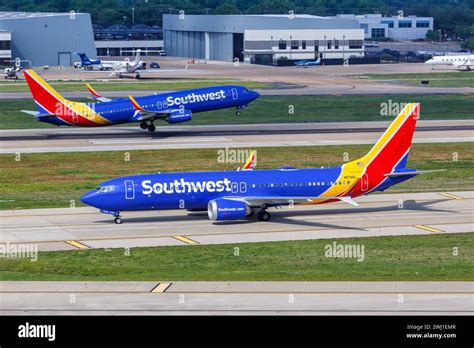
However, while customers appreciated the perks, investors increasingly noticed something else: Southwest’s profit margins were lagging behind those of competitors.
Activist Investors Push for Change
The turning point arrived when Elliott Management, a powerful activist hedge fund, launched a campaign targeting Southwest Airlines. Elliott argued that the airline’s leadership had allowed the company’s performance to drift behind rivals like Delta Air Lines, United Airlines, and low-cost competitors.
From Elliott’s perspective, the airline’s generous customer perks and conservative financial strategy were holding back shareholder returns.
Their campaign ultimately succeeded in gaining significant influence over Southwest’s leadership. The hedge fund secured six seats on the airline’s board of directors, dramatically shifting the strategic direction of the company.
This influence quickly translated into changes.
Policies that once defined Southwest’s identity began evolving. The airline started moving toward a more conventional low-cost carrier model, including:
- Phasing out free checked bags
- Reconsidering its iconic open-seating system
- Introducing premium extra-legroom seating
- Implementing flight credits with expiration dates
These shifts signaled something deeper: Southwest was no longer operating purely as a customer-first disruptor. It was becoming a more financially optimized airline.
Why the Boeing 737 NG Fleet Is Being Retired
The decision to retire portions of the Boeing 737 Next Generation fleet is closely tied to this broader transformation.
Southwest currently operates one of the largest 737 fleets in the world. According to aviation fleet databases, its aircraft inventory includes:
- 309 Boeing 737-700 aircraft
- 197 Boeing 737-800 aircraft
- 304 Boeing 737 MAX 8 aircraft
While the 737-700 and 737-800 remain reliable aircraft, they are older designs compared with the newer 737 MAX family, which offers better fuel efficiency, improved range, and lower operating costs.
However, the airline’s strategy goes beyond simply replacing older aircraft with newer ones. Instead, Southwest is using a financial strategy that transforms its aircraft into immediate sources of cash.
The Role of Aircraft Sale-Leaseback Deals
At the center of Southwest’s fleet restructuring is a financial maneuver known as a sale-leaseback.
In a sale-leaseback transaction, the airline sells an aircraft to a leasing company and immediately leases it back for continued operation. This converts a long-term capital asset into immediate cash while preserving operational capacity.
From a financial standpoint, the transformation is dramatic.
Instead of owning the aircraft outright, Southwest receives a significant upfront cash payment, while the aircraft becomes a recurring operating expense through lease payments.
Airlines across the industry occasionally use this approach, but Southwest historically relied more heavily on direct ownership of aircraft than many competitors. That conservative strategy helped maintain a strong balance sheet but limited the airline’s financial flexibility in certain situations.
Now, the airline is tapping into its fleet’s value.
CEO Bob Jordan confirmed that Southwest plans to both sell older Boeing 737-800 aircraft outright and pursue sale-leaseback deals for other aircraft, including some newer jets.
The timing is not accidental.
A Rare Seller’s Market for Aircraft
The global aircraft market is currently experiencing an unusual supply imbalance.
Both Boeing and Airbus have struggled with delivery delays, largely due to supply chain disruptions and production bottlenecks that began during the pandemic and have persisted into the mid-2020s.
The result is a tightening supply of available aircraft.
Airlines eager to expand their fleets cannot easily obtain brand-new planes, which has pushed up the value of second-hand narrowbody aircraft, particularly widely used models like the Boeing 737-800.
This environment allows Southwest to sell aircraft at extremely attractive market prices.
From a strategic standpoint, the airline is effectively capitalizing on a temporary market window where used aircraft command unusually high valuations.
Selling aircraft during this period provides a large infusion of cash that can fund modernization efforts across the airline.
Financing a Larger Operational Overhaul
Southwest’s fleet monetization strategy is not happening in isolation. The airline is simultaneously pursuing a sweeping operational overhaul.
This transformation includes investments in:
- Cabin interior upgrades
- Technology improvements across the booking and scheduling systems
- Network adjustments and route optimization
- Introduction of new premium seating options
All of these initiatives require substantial capital.
Rather than relying solely on debt or equity financing, Southwest is turning its existing fleet into a financial resource.
By selling aircraft and leasing them back, the airline gains liquidity while maintaining operational continuity.
In the short term, this can significantly strengthen the company’s cash reserves and investment capacity.
Managing Seasonal Demand More Flexibly
Another advantage of leasing aircraft rather than owning them outright is capacity flexibility.
Airline demand is inherently seasonal. Leisure travel surges during holidays and summer months, while demand drops during quieter periods.
Owning aircraft forces airlines to carry fixed capital costs year-round, even when planes are flying less frequently.
Leasing, however, offers more strategic adaptability. Airlines can adjust lease agreements, return aircraft when demand softens, or negotiate additional capacity during peak travel seasons.
This strategy has become increasingly common among low-cost carriers worldwide, many of which rely heavily on leasing companies to manage fleet growth.
For Southwest, which historically maintained a large owned fleet, adopting leasing strategies represents a major cultural and financial shift.
The Hidden Trade-Offs of Sale-Leasebacks
Despite the advantages, the sale-leaseback strategy carries important risks.
When airlines sell aircraft and lease them back, they exchange ownership for ongoing lease obligations. Over time, these recurring payments can exceed the long-term cost of owning the aircraft outright.
This has several financial implications.
First, the airline’s cost per available seat mile (CASM) may increase as lease payments accumulate.
Second, Southwest loses the residual asset value of aircraft it once owned. If the aircraft appreciate or remain valuable in secondary markets, that upside now belongs to the leasing companies.
Third, the airline becomes more dependent on lessor relationships and contract terms. Leasing companies can exert influence through pricing structures, contract conditions, and availability of aircraft during high-demand periods.
In essence, the airline is trading long-term financial independence for short-term liquidity.
Operational Risks and Aircraft Delivery Delays
Another complication lies in the aircraft delivery pipeline.
Southwest’s long-term fleet plan heavily depends on the Boeing 737 MAX family, which offers improved fuel efficiency and operating economics compared with earlier models.
However, Boeing has faced persistent production challenges, regulatory scrutiny, and delivery delays.
If these delays continue, Southwest could face a situation where it has already sold older aircraft but cannot receive new replacements quickly enough.
Such a scenario could create temporary capacity shortages, limiting the airline’s ability to meet passenger demand.
For a carrier that thrives on high aircraft utilization and dense domestic schedules, even small fleet shortages can disrupt operations.
Industry Precedents for Fleet Monetization
Southwest is not alone in using sale-leaseback strategies.
Other low-cost airlines have adopted similar financial tactics to unlock capital tied up in aircraft assets.
One notable example is Frontier Airlines, which has pursued sale-leaseback agreements for its incoming Airbus A320neo and A321neo aircraft.
In Frontier’s case, each newly delivered aircraft is immediately sold to a leasing company and leased back. The approach converts large capital expenditures into predictable monthly lease payments, while generating immediate liquidity.
The model has become particularly popular among airlines backed by private equity investors, who often prioritize cash flow optimization and shareholder returns.
Southwest’s adoption of similar strategies highlights how the airline’s financial philosophy is evolving.
A Strategic Pivot for the Future
The gradual retirement and monetization of the Boeing 737 NG fleet reflects a broader strategic shift at Southwest Airlines.
For decades, the airline’s success relied on operational simplicity, strong employee culture, and customer-friendly policies. While those elements still exist, financial performance and shareholder expectations are now playing a larger role in shaping corporate decisions.
The sale and leasing of aircraft provide immediate financial benefits and help fund modernization initiatives. Yet the strategy also introduces long-term financial obligations and operational risks.
In many ways, Southwest’s fleet restructuring represents a balancing act between short-term financial performance and long-term strategic flexibility.
Whether this transformation strengthens the airline or creates new vulnerabilities will depend on factors ranging from aircraft delivery timelines to global travel demand.
What remains certain is that Southwest Airlines is entering a new era—one where its iconic Boeing 737 fleet is no longer just an operational asset, but a powerful financial instrument shaping the airline’s future trajectory.