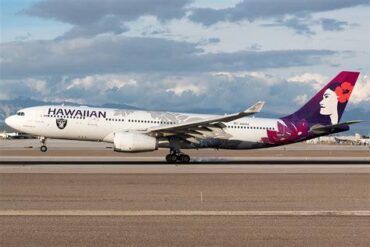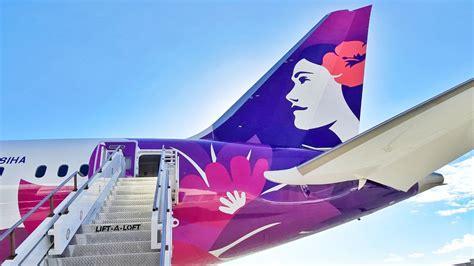
The Hawaii travel landscape has just catalyzed an unexpected and transformative conflict—not over vacation packages or inter-island airfare, but from a strategic airline maneuver that’s reverberating across continents. What started as a merger between Alaska Airlines and Hawaiian Airlines has now ballooned into an international aviation turf war, with Seattle emerging as the central battleground and global giants like Delta preparing for a long-haul dogfight.
At the epicenter of this sudden clash is an innocuous route between Seattle and Seoul, but its implications stretch far beyond the Pacific. Alaska Airlines, using Hawaiian’s advanced fleet and international crew infrastructure, has launched a game-changing move that puts it on a collision course with Delta Air Lines, a much larger and better-positioned rival.
Hawaiian Dreamliner Deployment: Alaska’s First Long-Haul Gambit
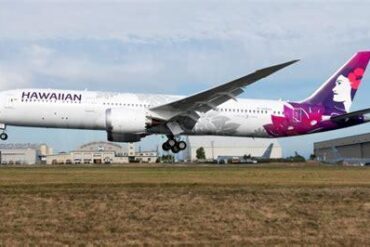
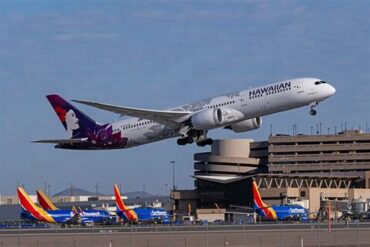
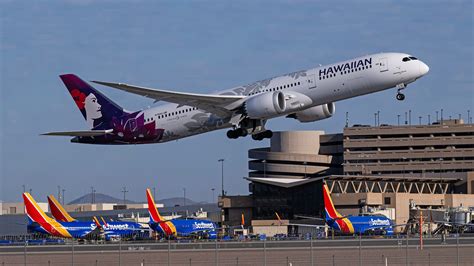
Alaska Airlines’ integration of Hawaiian’s operations was initially seen as a consolidation of island connectivity. That illusion shattered when the airline revealed it would deploy Hawaiian’s brand-new Boeing 787-9 Dreamliner—a flagship widebody known for its intercontinental range—on a new Seattle to Seoul route starting September 12.
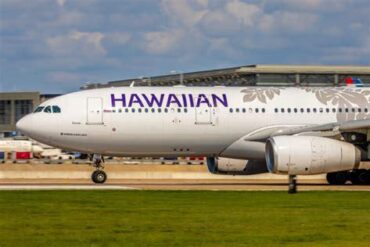
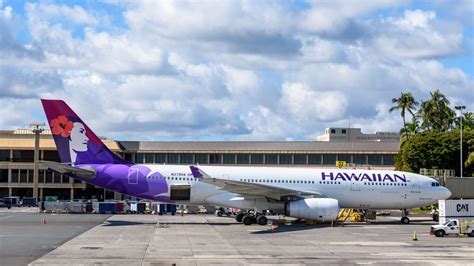
Previously scheduled to operate using Hawaiian’s Airbus A330, this pivot marks the Dreamliner’s first international deployment under Hawaiian’s livery post-merger and underscores a broader shift: Alaska is entering global airspace using a premium aircraft it never owned, on a route it never served.
Flights HA871 and HA872 will operate four times weekly, with well-timed departures to maximize both Asia-bound and U.S.-bound connectivity. This isn’t just an equipment upgrade—it’s an open declaration of Alaska’s long-haul ambitions, executed with surgical precision.
Delta’s Counteroffensive: A350 Power Move and Strategic Realignment
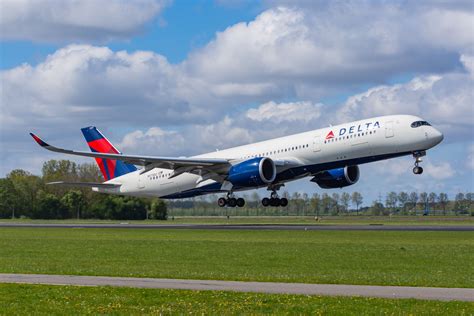
Delta has long viewed Seattle as a linchpin in its Pacific strategy. Once partners with Alaska, the two have become fierce competitors. Alaska’s Dreamliner incursion forces Delta’s hand—and the response is already underway. According to internal reports, Delta is poised to launch a Seattle-based Airbus A350 pilot base by late 2025 or early 2026, allowing permanent, localized deployment of its most elite aircraft.
The implications are vast. Delta currently must reposition A350 crews from hubs like Atlanta, Detroit, or LAX—a costly and logistically burdensome workaround. A new pilot base changes that, offering both cost efficiency and rapid adaptability. It also signals Delta’s commitment to doubling down on premium international growth from Seattle, even as supply chain issues and tariff restrictions squeeze Boeing’s availability.
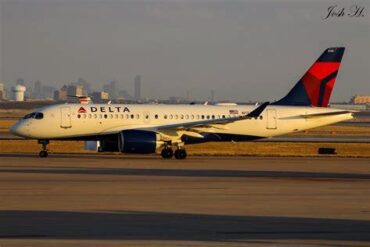
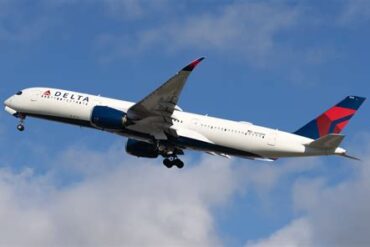
Delta’s A350-900 is a formidable weapon: a larger, quieter, longer-range aircraft than the 787-9, featuring up to 40 DeltaOne suites and 48 premium economy seats. It’s the gold standard in Delta’s international fleet—meant to dazzle premium travelers and fend off any mid-tier challengers.
Alaska’s Rome Announcement Raises the Stakes
Just as the dust began to settle on the Seoul development, Alaska fired another shot: a new nonstop route from Seattle to Rome using the same Hawaiian Dreamliner. Scheduled for four weekly flights during the summer peak season, this route symbolizes Alaska’s direct foray into transatlantic aviation.
Alaska has never operated flights to Europe. This Rome route, rich in prestige and profitability, signals an aggressive pivot into territory long dominated by the Big Three U.S. legacy carriers—Delta, United, and American. With this announcement, Alaska has effectively leapfrogged a decade of fleet-building and route development, tapping Hawaiian’s assets to unlock immediate access to elite long-haul corridors.
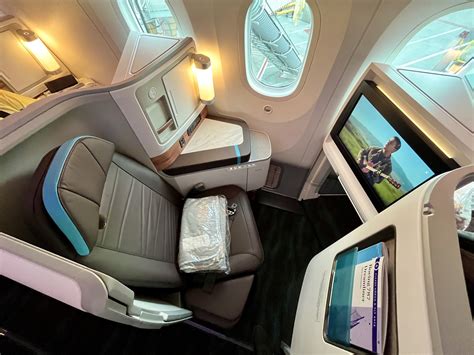
The Dreamliner used on the Rome route is configured with 34 lie-flat business suites, though it notably lacks premium economy—something most European-bound carriers now consider essential. Even so, the route targets premium leisure travelers, a growing demographic willing to pay for upscale comfort, even on personal trips.
Premium Cabins: The True Battlefield for Revenue
The Seattle turf war is not about quantity—it’s about quality of seats sold. Alaska’s utilization of Hawaiian’s widebody jets gives it temporary access to long-haul operations, but these aircraft configurations reveal its limits.
Hawaiian’s A330 jets, used on flights like Seattle to Tokyo, offer just 18 lie-flat seats and no premium economy section. By contrast, Delta’s A350 offers nearly 90 premium seats across business and premium economy. Hawaiian’s Dreamliners slightly improve the game, but they still lag in overall premium density.
This war is about capturing high-margin passengers—those willing to spend thousands for business-class suites and comfortable, upscale travel experiences. It’s a chess match of premium configurations and fleet capabilities, and Delta currently holds the more potent cards.
Alaska’s Speed vs. Delta’s Scale
What Alaska lacks in scale, it makes up for in nimbleness and speed. With Hawaiian’s Dreamliners already delivered and staffed, Alaska can move faster than Delta, which faces delays in fleet expansion and is dependent on Airbus production schedules.
This agility means Alaska can test long-haul routes without the bureaucratic and financial burdens of new aircraft orders or crew training programs. But it’s a temporary advantage. Delta’s broader network, deeper resources, and extensive loyalty base will inevitably catch up—possibly soon, and with overwhelming force.
The strategic dichotomy is clear:
- Alaska has instant access but limited staying power without its own widebody program.
- Delta possesses global infrastructure, superior fleet diversity, and massive brand recognition.
Hawaii’s Future in Question
Amid this unfolding Seattle drama, Hawaii’s role is growing increasingly ambiguous. The Alaska-Hawaiian merger was once touted as a benefit to island communities, promising improved connectivity and resource optimization. But the rerouting of Dreamliners from Honolulu to Seoul and Rome raises flags.
Will Honolulu lose future Dreamliner service? Will inter-island resources be reallocated to trans-Pacific aspirations? Hawaiian residents and regular travelers may soon find that their needs have taken a back seat to global ambitions.
What’s unfolding is less about Hawaii itself and more about what its airline assets make possible. The islands, ironically, are becoming stepping stones for mainland airlines to project power onto international routes.
The Turf War’s Broader Implications
What started as a regional consolidation is now a transformative chapter in U.S. aviation. Alaska’s decision to use Hawaiian assets as a springboard into Asia and Europe resets expectations for the merger’s impact. Delta’s swift reaction suggests it views this not as a passing threat but as a serious provocation.
Seattle, once a growing yet stable Pacific gateway, is now ground zero for an aviation arms race. The competition will define how U.S. airlines structure long-haul service in the next decade—whether lean, agile players can challenge established giants, or if scale and incumbency remain unbeatable.
For travelers, it’s an era of enhanced choice—at least temporarily. More routes, better aircraft, and competitive pricing may result. But as airlines shift strategy, invest in premium cabins, and fight over high-value routes, budget-minded and Hawaii-bound passengers may find themselves overlooked.
Conclusion: Eyes on Sea-Tac, Not the Islands
This merger is no longer about luau packages and island hopping. It’s about who controls the skies from the West Coast to the global east. Delta is digging in. Alaska is advancing boldly. Hawaiian’s aircraft are the new pawns and bishops in a geopolitical game played through airline schedules and fleet orders.
Seattle, not Honolulu, has become the proving ground. And as the Dreamliners fly farther and Delta arms its A350s, one truth is clear: The battle lines have moved. And they’re now drawn 2,700 miles from paradise.