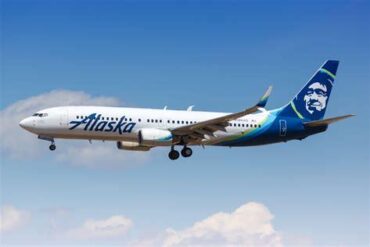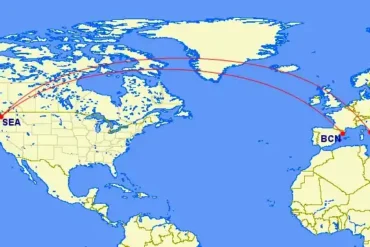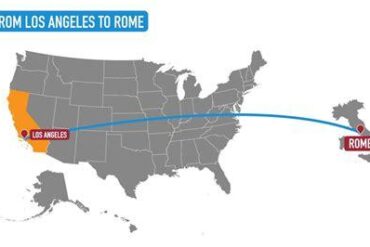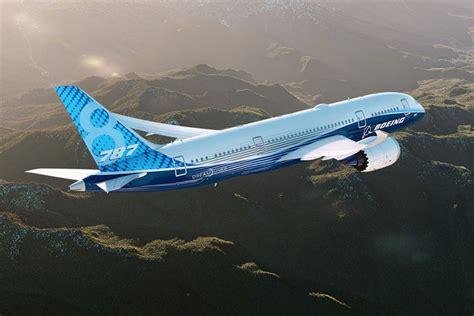
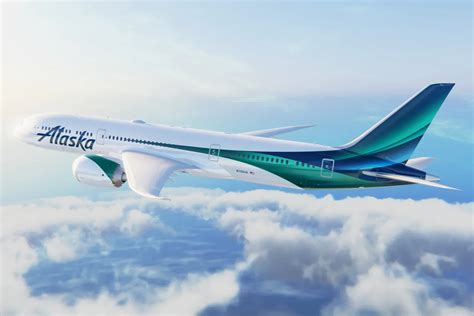
Seattle’s rise as a transpacific and transatlantic aviation gateway is reaching new heights with Alaska Airlines’ upcoming launch of nonstop service from Seattle-Tacoma International Airport (SEA) to Rome–Fiumicino International Airport (FCO), scheduled for May 2026. This route, spanning 5,688 miles, marks a defining moment in Alaska’s international strategy—introducing not only its first transatlantic route to Europe, but also the first Dreamliner-operated long-haul flight fully branded and marketed by Alaska Airlines.
Rome Becomes Alaska Airlines’ First European Destination
Alaska Airlines’ decision to begin service to Rome is not merely a symbolic nod to the CEO’s Italian heritage—it’s a strategic move to close a gap in Seattle’s international offerings. Rome currently stands as the most popular European destination not yet served with nonstop flights from Seattle. Given that Italian tourism remains a top priority for U.S. travelers, and considering Rome’s growing importance as a year-round tourist and business hub, the route delivers what frequent flyers and travel agents have long demanded.
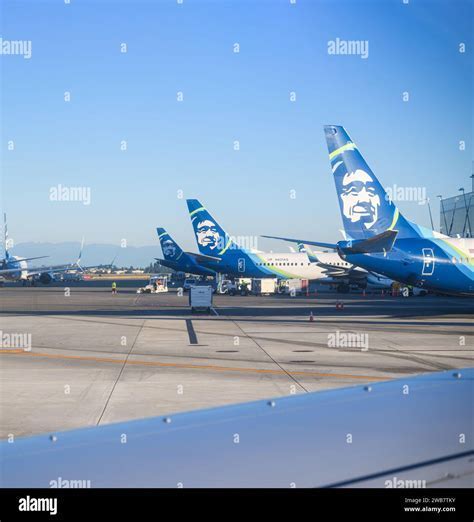
According to the airline’s published schedule, eastbound flights from Seattle will depart at 6:00 PM and arrive in Rome at 1:45 PM the following day, while westbound flights will leave Rome at 3:45 PM and touch down in Seattle at 6:00 PM. The service will operate four times per week:
- Eastbound: Mondays, Wednesdays, Fridays, Sundays (10 hours, 45 minutes)
- Westbound: Mondays, Tuesdays, Thursdays, Saturdays (11 hours, 15 minutes)
Though the official sale date has not yet been disclosed, tickets are expected to be available starting fall 2025, with travelers already invited to join an early access list.
Powered by the Boeing 787-9 Dreamliner
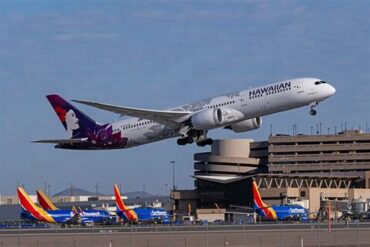
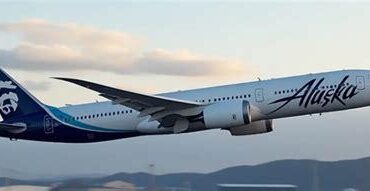
Alaska’s leap into long-haul transatlantic flying will be carried out by the Boeing 787-9 Dreamliner, one of the most modern and fuel-efficient wide-body aircraft available. These jets are expected to offer a total of 300 seats, configured as 34 business class seats and 266 economy seats. The selection of the Dreamliner for this route represents a major upgrade from the Airbus A330s currently operated by Hawaiian Airlines on Alaska’s existing long-haul network.
The business class cabin, long overdue for modernization, will deliver a 1-2-1 seating layout, offering direct aisle access and full-flat beds, a significant departure from Hawaiian’s older 2-2-2 configuration. This change is expected to elevate Alaska’s standing among North American carriers in the competitive transatlantic business travel market.
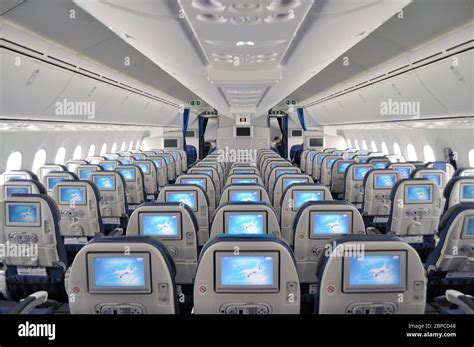
While exact specifications of Alaska’s onboard Dreamliner product haven’t been released, the airline has signaled plans to debut a fresh in-flight experience—one that emphasizes comfort, Pacific Northwest-inspired service, and potentially a new culinary program aligned with European dining schedules and preferences.
Seattle’s Emergence as a Global Aviation Hub
The Rome announcement is not happening in isolation. It fits neatly into Alaska Air Group’s broader ambition to transform Seattle-Tacoma International Airport into a truly global hub. This mission has gathered momentum since the group’s acquisition of Hawaiian Airlines, and the expansion of its intercontinental reach.
- In 2024, Alaska launched flights to Tokyo Narita (NRT).
- Flights to Seoul Incheon (ICN) are scheduled to begin in September 2025.
- The Rome route will be the third confirmed long-haul flight, and the first to Europe, signaling Alaska’s transatlantic intent.
These developments place Seattle in direct competition with hubs like San Francisco (SFO), Los Angeles (LAX), and even Chicago O’Hare (ORD) when it comes to offering comprehensive access to Asia and Europe.
Ben Minicucci, CEO of Alaska Airlines, encapsulated the sentiment with a personal touch:
“Serving Rome nonstop from Seattle is a dream come true. As an Italian American whose parents emigrated from Italy, this is a particularly meaningful addition to our network. Rome has been at the top of the list ever since we announced our new global gateway out of Seattle. Our guests have been asking for an easy way to get to Italy for years, and we’re thrilled to provide it to people in the Northwest and beyond. Andiamo – let’s go!”
Competition and Strategic Timing
The Rome route not only brings prestige—it also invites competition. Delta Air Lines, which has a strong transatlantic presence and a growing Seattle footprint, is widely expected to launch its own Seattle–Rome route, potentially around the same period. If and when that happens, travelers may benefit from increased frequencies, diversified departure times, and pricing competition.
However, Alaska’s strategic advantage lies in its timing and aircraft choice. By introducing a 787-9 on this flagship route, Alaska is signaling its intent to compete seriously—not just in capacity, but in quality. The airline’s recent partnership with oneworld also means travelers have access to codeshare connections and loyalty benefits across multiple global carriers.
From Brand Transition to Passenger Experience
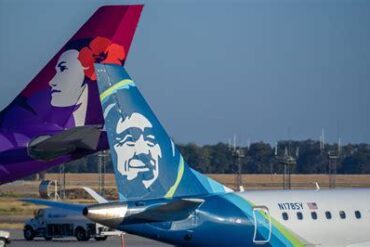
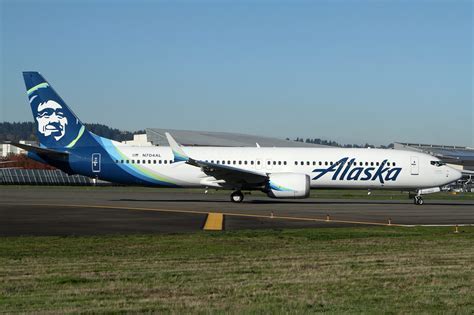
What sets this new service apart is its complete departure from Hawaiian branding and operational quirks. Until now, Alaska’s long-haul routes have depended on Hawaiian Airlines-operated Airbus A330 aircraft, which often created brand confusion and inconsistent in-flight experiences. Though this cooperation was logistically practical, it didn’t convey a unified Alaska Airlines brand presence.
With the Rome route, that all changes. This will be the first Alaska-marketed long haul flight operated by an Alaska aircraft, flying with its own flight number, crew, and service protocols. As Alaska and Hawaiian move closer to a single operating certificate, this route offers a glimpse into the future: one where Alaska Air Group is a unified, long-haul capable airline in its own right.
The Bigger Picture: Alaska’s Long-Haul Strategy to 2030
The Rome announcement is part of a longer-term roadmap. By 2030, Alaska Air Group aims to launch a dozen long-haul international routes from Seattle, a plan that would position it among the U.S.’s most globally connected carriers. While names like London, Frankfurt, Paris, and even cities in Oceania have floated in industry circles, Rome acts as a litmus test for the airline’s ability to manage, market, and scale true intercontinental operations.
A successful launch and sustained performance of the Seattle–Rome route could open doors to seasonal expansions, more Dreamliner orders, and potentially retrofitting the inherited Hawaiian A330 fleet. Alaska has not yet committed to whether the Rome route will be seasonal or year-round, leaving room for flexibility depending on passenger demand and aircraft utilization.
Conclusion: A Landmark Milestone for Alaska Airlines
As of May 2026, Alaska Airlines will operate its first ever transatlantic service from Seattle to Rome with a Boeing 787-9 Dreamliner—a decisive step forward in the airline’s transformation into a global player. The move brings together several key shifts: the consolidation with Hawaiian Airlines, the operational debut of Alaska’s Dreamliners, and Seattle’s rise as an intercontinental hub.
This is more than just a new route. It’s the redefinition of Alaska Airlines’ long-haul identity. And for travelers longing for a direct, comfortable connection between the Pacific Northwest and the Eternal City—the wait is almost over.