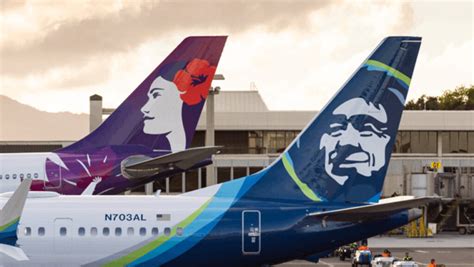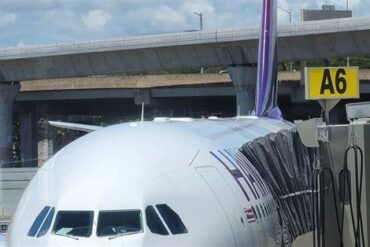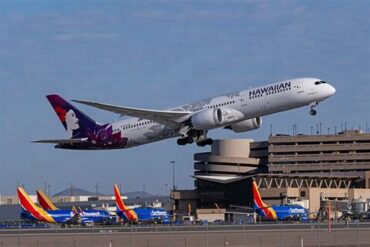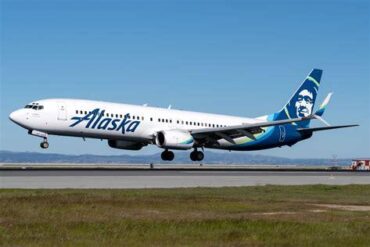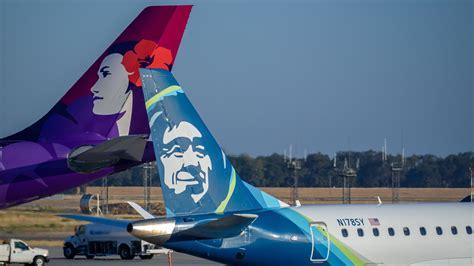
Once envisioned as the crown jewel of long-haul air travel to and from the Hawaiian Islands, the Boeing 787-9 Dreamliner is now preparing for a dramatically different mission. No longer serving its original tropical purpose, the Dreamliner is poised to soar across the Atlantic under the Alaska Airlines banner, inaugurating a brand-new nonstop service between Seattle and Rome in May 2026. This pivot not only redefines the role of Hawaiian Airlines’ once-premier aircraft—it signals a broader strategic shift in the Pacific aviation landscape.
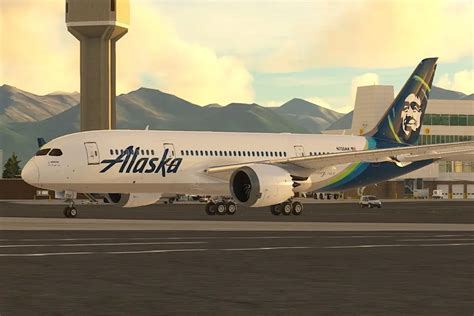
Alaska’s Rome Ambition: A Transatlantic Milestone
When Alaska Airlines confirmed its upcoming nonstop Seattle–Rome service, industry watchers saw more than just a new flight route. It was a declaration of intent: Alaska is going global. For the first time, the airline will fly to Europe, and it will do so with aircraft originally acquired by Hawaiian Airlines to redefine luxury travel between the islands and the mainland.
This new service—scheduled to depart Seattle at 6:00 PM and arrive in Rome at 1:45 PM the next day, returning at 3:45 PM and touching down in Seattle at 6:00 PM—will operate four times weekly aboard the Dreamliner, one of the most sophisticated long-haul jets in operation today. Ticket sales are slated to begin this fall.
What makes this development so symbolic is the identity of the aircraft. Hawaiian Airlines first ordered the Dreamliner in 2018, presenting it as the linchpin of a bold new strategy to elevate the Hawaii flight experience.
From Hawaiian Roots to Continental Dreams
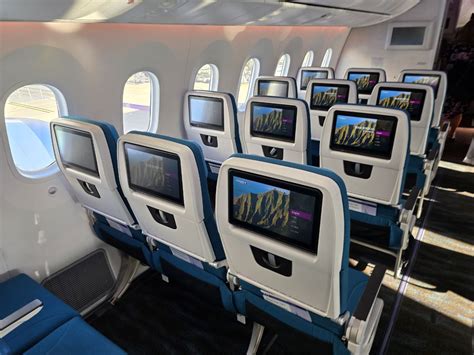
The 787 Dreamliner was once Hawaiian Airlines’ flagship of the future—a beacon of its ambitions to grow beyond its regional roots. Designed with lie-flat suites, tranquil cabin acoustics, mood lighting, and a highly customized interior inspired by Hawaiian aesthetics, the aircraft was promoted as a return to the romance of flight. Its mission: to connect Honolulu to global destinations like Tokyo, New York, and even potentially London or Sydney.
But delays from Boeing’s end postponed those dreams. By the time the first Dreamliner joined Hawaiian’s fleet in early 2024, the landscape had shifted dramatically. Financial headwinds, competition, and an impending merger with Alaska Airlines began to reroute Hawaiian’s future in ways no one could have foreseen.
A Strategic Realignment: Why Seattle Replaces Honolulu
Alaska Airlines’ decision to deploy the Dreamliner from Seattle rather than Honolulu is not arbitrary. Seattle is a more strategic hub in terms of global connectivity. With deeper corporate demand, more affluent markets, and a growing international profile, Seattle offers the ideal springboard for Alaska’s intercontinental ventures.
This is a sharp departure from the original plan. Hawaiian had begun initial Dreamliner services from Honolulu to the U.S. mainland in early 2024, but these flights were quietly discontinued just weeks later. The aircraft never returned to Hawaiian routes. Instead, Alaska has begun absorbing the Dreamliner fleet operationally and logistically—cementing its shift to global operations.
Hawaiian’s Dreamliner Gamble, Rewritten by Alaska
Hawaiian’s original Dreamliner vision was always ambitious. These aircraft were supposed to rival the comfort of Asian carriers, reinvigorate long-haul service to Hawaii, and create a premium experience steeped in local hospitality. Even the lavatories, lighting, and overhead bins were tailored for a uniquely Hawaiian in-flight ambiance.
But in the end, the market didn’t align. Financially, flying from Hawaii—especially to destinations outside the U.S.—requires robust inbound and outbound demand, which has proven inconsistent. Hawaii’s dependence on leisure travelers means thinner margins, especially on routes that demand luxury aircraft and extensive crew investments. Seattle, on the other hand, presents a more sustainable model.
Alaska’s move to shift Dreamliners to Europe isn’t just about opportunity—it’s about efficiency, profitability, and future-proofing its fleet strategy.
The Merger’s Telltale Signs: What’s Next for Hawaii
The Alaska–Hawaiian merger, now in its final regulatory stages, will consolidate operating certificates by 2026. At that point, Hawaiian’s identity as a long-haul player will be all but absorbed. The Dreamliners—up to 12 are on order—will likely continue flying under the Hawaiian brand initially, but that distinction is expected to fade.
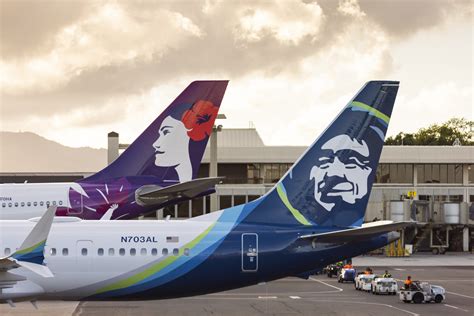
Already, Alaska has begun to weave its DNA into Hawaiian’s operations. The loyalty programs are being merged. Staffing structures are transitioning. And perhaps most notably, Hawaiian’s widebody strategy has been scrapped in favor of Alaska’s global roadmap.
Traveler Reactions: Enthusiasm and Disappointment Collide
The change in aircraft strategy has sparked mixed emotions. While some travelers applaud Alaska for pushing boundaries—”Seattle to Rome makes sense,” one reader noted—others feel betrayed. One Hawaiian loyalist lamented, “We waited years for the Dreamliner to come to Hawaii. Now it’s going to Europe? What a joke.”
This duality reflects a deeper tension between nostalgia and pragmatism. Hawaiian’s Dreamliner was more than just a plane—it symbolized a commitment to experience over economics. But in the post-merger world, economic logic is winning.
Rome as a Launchpad: More to Come
Alaska Airlines’ European foray is just the beginning. With a fleet of long-range aircraft at its disposal, the airline is now poised to roll out additional transpacific and transatlantic routes. Industry analysts forecast new services from West Coast hubs to major cities in Europe and Asia over the next few years. Cities like London, Paris, Tokyo, and Seoul are well within the Dreamliner’s range—and well within Alaska’s strategic sights.
The future may hold dozens of new routes, all flown by planes once destined for Hawaiian sunrises. What it doesn’t appear to hold—at least for now—is a return of the Dreamliner to Hawaii.
Implications for Hawaii’s Aviation Ecosystem
For Hawaii itself, the Dreamliner’s departure has broader consequences. The loss of these aircraft means reduced flexibility for long-haul expansion, potentially fewer premium service options, and a retreat from the high-end aviation space. The state could also feel ripple effects in employment, maintenance infrastructure, and tourism competitiveness.
Moreover, as Alaska reshapes the loyalty program and booking systems, long-time Hawaiian customers may find themselves navigating a more mainland-focused experience. While inter-island service will continue using A330s and 717s, the flagship appeal of widebody travel is now firmly planted elsewhere.
Conclusion: Aloha, and Goodbye
The Dreamliner was never just another aircraft for Hawaiian Airlines. It was a promise—of elegance, innovation, and global vision. Its rerouting to Rome under Alaska Airlines marks the end of that promise and the beginning of a new era.
Whether this move proves prescient or problematic will depend on market performance, traveler loyalty, and execution. But one thing is already clear: Hawaii’s once-dreamed aviation future is now flying in a different direction—and it’s headed to Europe.