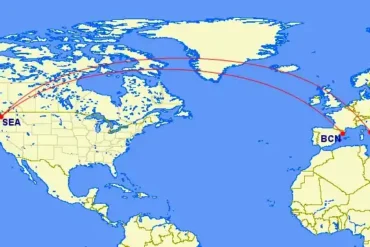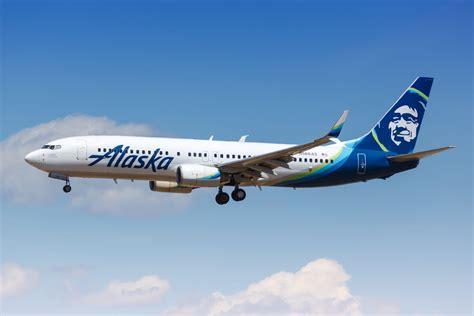
The countdown has nearly expired, and a defining moment in Alaska Airlines’ history is about to unfold. In just two days, the Seattle-based carrier will inaugurate its first-ever flights to Europe, marking a strategic leap from a primarily North American network into the competitive transatlantic arena. The debut route between Seattle-Tacoma International Airport (SEA) and Rome Fiumicino Airport (FCO) is more than a new connection—it signals a calculated evolution into a truly global airline.
For years, Alaska Airlines cultivated a loyal following across the U.S. West Coast, but long-haul ambitions remained largely untapped. That changes with this launch. The Seattle–Rome route represents both market demand fulfillment and a broader repositioning of Seattle as a global hub with direct European reach. It’s no coincidence that competitors have already reacted, underscoring just how significant this move is.
Seattle to Rome: A Strategic Transatlantic Breakthrough
The new service, flight AS180, is scheduled to depart Seattle at 5:30 PM, arriving in Rome at 1:15 PM local time the following day after a 10-hour and 45-minute journey. The return flight, AS181, departs Rome mid-afternoon and lands back in Seattle the same evening, completing a carefully timed schedule that maximizes aircraft utilization and passenger convenience.
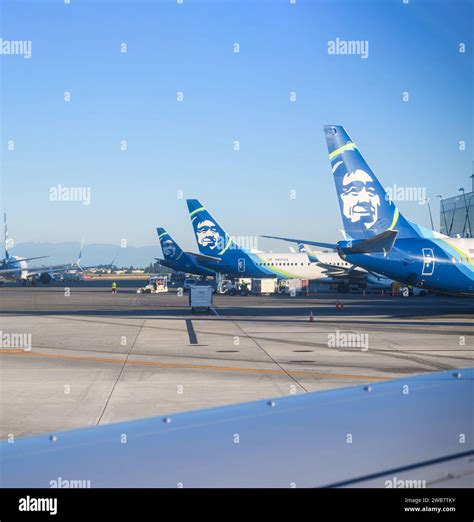
This route will operate daily throughout the summer season, with 176 rotations planned before the final departure in October. Such frequency is not tentative—it reflects confidence. Alaska isn’t testing the waters; it’s diving in with intent.
Seattle’s geographic position plays a quiet but powerful role here. Positioned as a gateway between North America and Asia, it now strengthens its relevance in transatlantic connectivity, offering passengers from the Pacific Northwest a direct and seamless path to Italy without the need for East Coast transfers.
Inside the Boeing 787-9 Dreamliner Experience
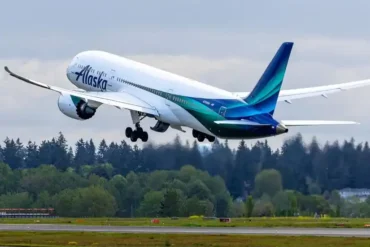
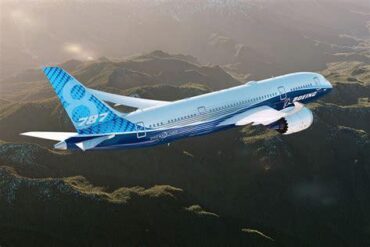
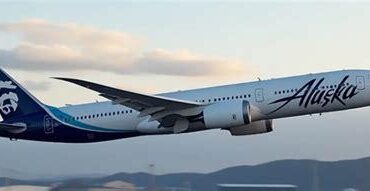
To deliver this flagship service, Alaska Airlines is deploying the Boeing 787-9 Dreamliner, a modern widebody aircraft known for efficiency and passenger comfort. With an average fleet age of under two years, these jets represent a new generation of long-haul travel for the airline.
The cabin is configured with 300 seats across two classes, balancing premium comfort with high-capacity efficiency. The business class cabin features 34 flatbed seats arranged in a 1-2-1 layout, ensuring direct aisle access for every passenger. Window seats are angled toward the view, while center seats offer privacy through clever positioning—an understated but meaningful detail for long-haul travelers.
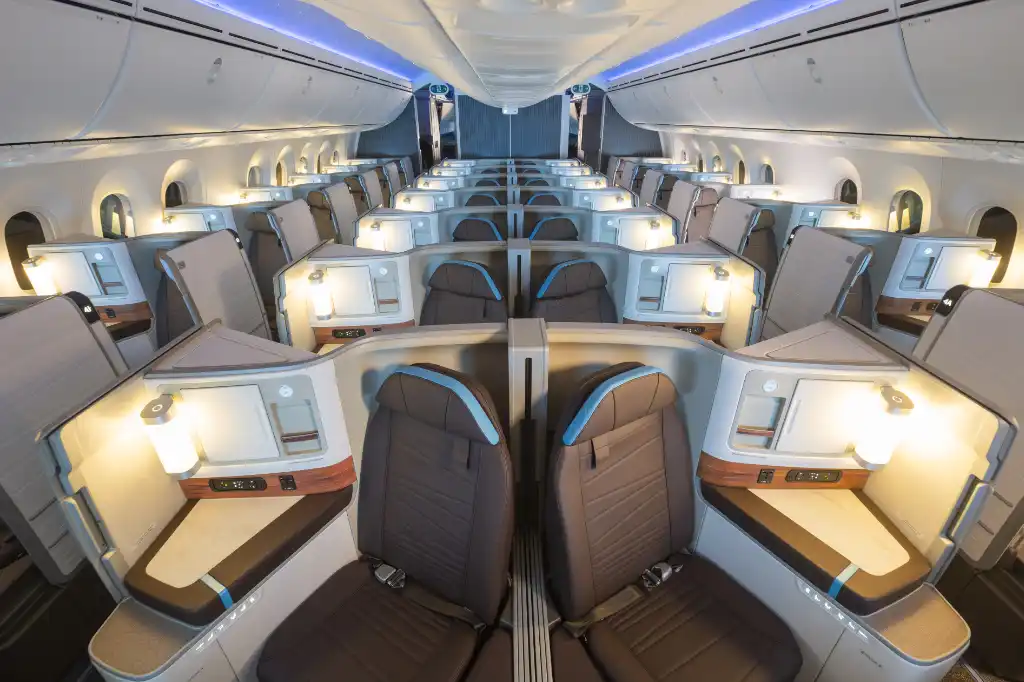
Economy class, comprising 266 seats, follows the Dreamliner’s standard 3-3-3 configuration. However, Alaska introduces subtle optimizations, including select rows with two-seat sections ideal for couples. Additionally, 79 Premium Class seats provide extra legroom, catering to passengers seeking a middle ground between affordability and comfort.
This onboard product isn’t just competitive—it’s carefully calibrated to appeal to both leisure travelers heading to Italy and business passengers expecting reliability and comfort on a transatlantic flight.
Rome Today, Europe Tomorrow: Expansion Already Underway
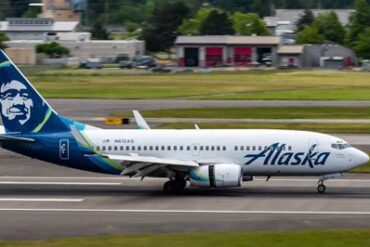
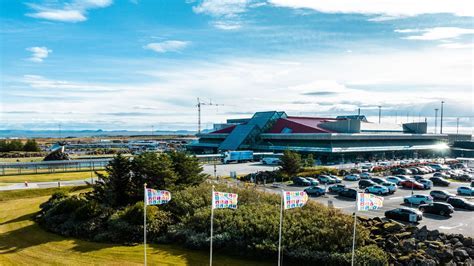
Rome is only the beginning. Alaska Airlines has mapped out a multi-route European expansion that will unfold rapidly over the coming months. Reykjavík, Iceland, is next, launching on May 28 with daily service operated by the Boeing 737 MAX 8. While narrower in scope, this route taps into Iceland’s growing appeal as both a destination and a connecting hub.
Shortly after, the airline will turn its attention to one of the most competitive aviation corridors in the world: Seattle to London Heathrow. Beginning May 21, this route will operate year-round using the 787-9, with 225 rotations planned annually. Unlike the seasonal Rome service, London represents a permanent stake in Europe.
This move places Alaska in direct competition with established giants such as British Airways, Delta Air Lines, and Virgin Atlantic. It’s a bold entry into a crowded market—but one that offers immense visibility and long-term payoff if executed well.
Competition Heats Up as Rivals Respond
Alaska’s expansion hasn’t gone unnoticed. Delta Air Lines has already announced its own Seattle–Rome service, a clear signal that competitive dynamics are shifting. When airlines react this quickly, it usually means one thing: the opportunity is real.
What sets Alaska apart, however, is its network strategy. By leveraging partnerships within the oneworld alliance, the airline can extend connectivity beyond its own routes, offering passengers access to a broader European network without needing to operate every segment itself.
A Defining Moment for Alaska Airlines
This European launch represents more than a new destination—it’s a redefinition of Alaska Airlines’ identity. Transitioning from a regional powerhouse to an international contender requires not just aircraft and routes, but vision and execution. So far, the airline appears to have both.
There’s also a cultural element at play. CEO Ben Minicucci captured it succinctly with a simple phrase: “Andiamo – let’s go!” It’s an invitation, not just to passengers, but to the airline itself as it steps onto a much larger stage.
The coming weeks will reveal how well this ambitious expansion performs. But one thing is already clear: Alaska Airlines is no longer content staying close to home. Europe is just the beginning, and Seattle is now firmly on the map as a transatlantic gateway with growing influence.