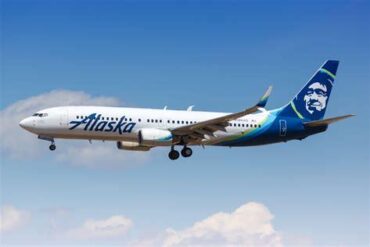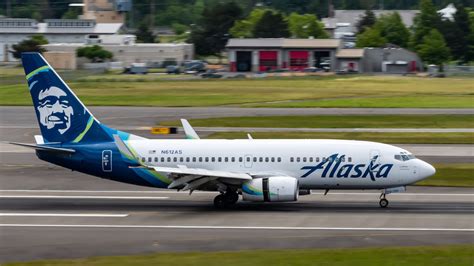
The global aviation landscape is on the cusp of a remarkable transformation, as Alaska Airlines and Southwest Airlines—two of the most recognizable names in American domestic aviation—set their sights on the lucrative transatlantic market. This strategic pivot represents not just an expansion of their route maps but a redefinition of their corporate identities, long associated with North American skies. The move signals a direct challenge to legacy carriers and low-cost giants currently dominating transatlantic corridors, offering passengers fresh alternatives, competitive pricing, and the promise of enhanced service innovations.
Their planned entry into the transatlantic arena comes at a time when demand for travel between the United States and Europe is surging, buoyed by rebounding tourism, pent-up post-pandemic demand, and shifting business travel dynamics. The combined strength of Alaska’s extensive West Coast network and Southwest’s vast domestic reach could enable both airlines to establish meaningful presences on routes historically monopolized by larger global alliances.
Alaska Airlines’ Strategy: Building Bridges from the Pacific to Europe
Alaska Airlines, headquartered in Seattle, has long been a dominant force along the Pacific Coast, with a network that spans from the rugged Alaskan wilderness to sun-drenched California cities. Its decision to cross the Atlantic is rooted in several strategic calculations. The carrier’s membership in the oneworld alliance, solidified in 2021, provides it with critical infrastructure and partnership synergies for international expansion. Leveraging code shares and coordinated scheduling, Alaska can offer passengers seamless connections beyond European gateways such as London Heathrow, Dublin, and Madrid, aligning its growth with partner hubs.
The airline’s fleet modernization efforts also underpin its ambitions. With orders for the Boeing 787 Dreamliner—a fuel-efficient, long-haul aircraft renowned for passenger comfort—Alaska is poised to deliver a product that can compete on both cost and quality. Executives have hinted at initial services from Seattle, Portland, and San Francisco to major European capitals, with secondary cities potentially added as operations mature. This transatlantic push reflects Alaska’s goal of transforming from a regional champion into a truly global player.
Southwest Airlines: From Domestic Titan to Transatlantic Challenger
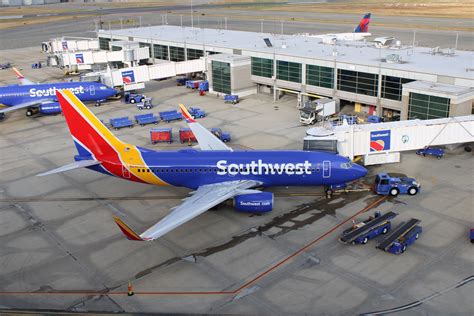
For Southwest Airlines, the prospect of transatlantic operations marks a radical departure from its traditional business model. Long synonymous with point-to-point U.S. travel, open seating, and a no-frills ethos, Southwest’s entry into the European theater represents a calculated evolution. The airline’s leadership has acknowledged that customer expectations for international flights differ dramatically from its typical domestic offerings. Thus, Southwest is reportedly evaluating cabin configurations that include assigned seating, expanded legroom, and enhanced inflight services.
Southwest’s interest in secondary European airports—such as Manchester, Shannon, and Lisbon—is driven by a desire to minimize operating costs while providing access to key leisure and business markets. These destinations align with Southwest’s historical preference for less congested airports that enable faster turnarounds and lower fees. However, the airline is also investing heavily in pilot training, crew accommodations, and regulatory approvals, recognizing that transatlantic flying introduces new operational complexities.
The Competitive Landscape: Shaking Up the Status Quo
The entrance of Alaska and Southwest into transatlantic markets is certain to disrupt established norms. Today, the space is dominated by legacy carriers such as American Airlines, Delta, United, and their European partners, alongside aggressive low-cost operators like Norse Atlantic and PLAY. By bringing their customer-centric cultures and cost discipline to these routes, Alaska and Southwest could spur a new era of fare wars, service innovation, and network experimentation.
In particular, Alaska’s alliance with oneworld allows it to leverage premium cabin demand on business-heavy routes, while Southwest’s brand equity and loyal customer base could attract budget-conscious travelers eager for a fresh choice. Industry analysts note that both airlines have a chance to capture market share in underserved city pairs, especially as they innovate with scheduling and connectivity.
Operational Challenges and Strategic Considerations
While the opportunities are clear, the path to transatlantic success is laden with formidable challenges. Both airlines must navigate complex regulatory frameworks, from securing foreign carrier permits to meeting stringent European Union environmental standards. Furthermore, they face the logistical demands of establishing maintenance, repair, and crew bases overseas, which represent significant capital outlays.
Alaska and Southwest must also reckon with the reality that transatlantic flying is a different operational beast compared to their core domestic businesses. Fuel hedging strategies, slot acquisition at high-demand European airports, and contingency planning for weather and air traffic disruptions will require new levels of sophistication. Despite these hurdles, both carriers appear committed to long-term investment, viewing transatlantic routes as essential to diversifying revenue streams and hedging against domestic market saturation.
Passenger Experience: A New Frontier in Service Philosophy
Alaska Airlines is reportedly focused on delivering a premium economy and business class experience that mirrors its domestic first-class product, with the addition of lie-flat seats, elevated meal offerings, and curated entertainment libraries. This is designed to appeal to both leisure and corporate travelers who may be accustomed to the amenities of more established transatlantic players.
Southwest, meanwhile, faces the delicate task of balancing cost leadership with service upgrades necessary for long-haul comfort. Sources close to the airline suggest it is exploring bundled fare options, where travelers can customize amenities such as meals, checked baggage, and priority boarding, without straying too far from its brand DNA. The success of these initiatives will hinge on the carriers’ ability to differentiate their offerings while maintaining operational simplicity and cost advantages.

Economic and Environmental Implications
The transatlantic expansions by Alaska and Southwest also carry important economic and environmental dimensions. The influx of new competition is expected to stimulate local economies in both U.S. departure cities and European destinations, generating jobs in aviation, tourism, and hospitality. On the environmental front, both airlines have pledged to operate their transatlantic services using the latest generation of fuel-efficient aircraft, and to explore sustainable aviation fuel (SAF) partnerships aimed at reducing their carbon footprints.
Airports and regulators on both sides of the Atlantic are watching these developments closely, eager to assess how the entry of new players might support broader industry sustainability goals and contribute to post-pandemic recovery efforts.
The Road Ahead: A Bold Bet on the Future of Air Travel
As Alaska Airlines and Southwest Airlines prepare to launch their first transatlantic flights, the industry watches with keen interest. Their success could usher in a new chapter in affordable, customer-friendly transatlantic travel, breaking down long-standing barriers between North America and Europe. While challenges abound, the combination of strong brand loyalty, disciplined cost structures, and ambitious visions positions both airlines as credible contenders in this high-stakes market. The ultimate outcome will depend on their ability to execute their strategies with precision, adapt to the unique demands of long-haul international flying, and deliver on their promise to revolutionize European travel for a new generation of passengers.