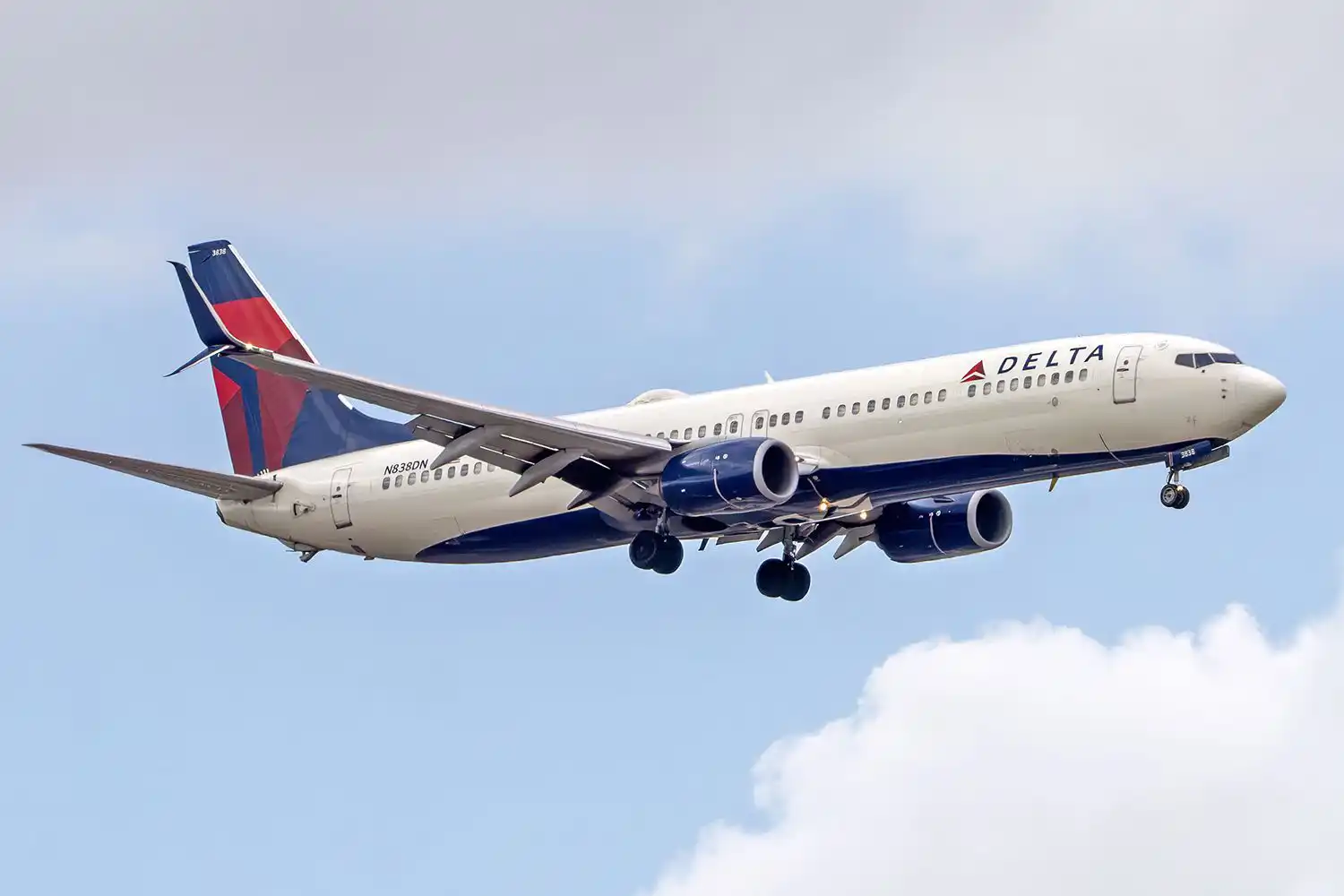
The Federal Aviation Administration (FAA) is investigating a serious aviation incident at Hartsfield-Jackson Atlanta International Airport (ATL) after two Delta Air Lines jets came dangerously close to each other during a complicated sequence involving an arrival go-around and a departing aircraft.
The incident occurred late Monday night after a challenging day of operations at Atlanta, where severe weather caused widespread delays and cancellations. Although both aircraft ultimately landed safely, the event raised questions about runway coordination, air traffic control procedures, and the challenges of managing heavy traffic at one of the world’s busiest airports.
The close call involved Delta Flight 1568, a Boeing 737-900ER arriving from Chattanooga, Tennessee, and Delta Flight 2472, an Airbus A321 departing for Rochester, New York. During the event, both aircraft’s onboard collision avoidance systems reportedly issued warnings, prompting immediate action from the flight crews.
Delta Boeing 737-900ER Forced Into Go-Around After Runway Conflict
According to flight tracking data, Delta Flight 1568 began its journey from Pittsburgh International Airport (PIT) earlier that evening. The aircraft, a Boeing 737-900ER registered as N937DZ, departed shortly after its scheduled time but encountered significant disruption due to weather conditions.
The aircraft was forced to divert to Chattanooga Metropolitan Airport (CHA) after weather affected operations around Atlanta. After spending time on the ground, the Boeing 737 resumed its flight toward Atlanta later that evening.
The aircraft eventually approached Atlanta at approximately 11:00 PM local time. However, the pilots were instructed to perform a go-around because another aircraft was occupying the runway. A go-around is a standard aviation procedure in which pilots discontinue a landing attempt and climb away from the airport before making another approach.
While go-arounds are common and highly practiced, they require precise coordination between pilots and air traffic controllers, especially at airports with multiple parallel runways and dense aircraft movements like Atlanta.
Delta confirmed that the crew followed established safety procedures during the maneuver.
“During the go-around, the flight crew maneuvered in accordance with established procedures while maintaining safe operations. Our crews train extensively to handle uncommon scenarios like this,” a Delta spokesperson said.
Departing Delta Airbus A321 Crossed Near Arrival Flight Path
The situation became more complicated when Delta Flight 2472, operated by an Airbus A321 registered as N333DX, departed Atlanta for Rochester shortly after the Boeing 737 began its go-around.
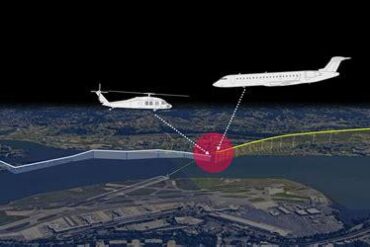
The Airbus A321 took off from a parallel runway and began a right turn after departure. According to reports, this flight path brought the aircraft close to the climbing Boeing 737-900ER, which was already maneuvering after abandoning its landing attempt.
The onboard Traffic Collision Avoidance System (TCAS) alarms reportedly activated in both cockpits as the aircraft approached each other. These systems are designed to provide pilots with immediate warnings and recommended actions when another aircraft enters a potentially unsafe area.
The aircraft reportedly came within approximately 1,800 feet horizontally of each other, with about 600 feet of vertical separation. While the distance remained within controlled aviation safety margins, the proximity was close enough to trigger concern and prompt an FAA review.
Heavy Weather Created Challenging Conditions at Atlanta
The incident occurred during a particularly difficult operational period at Atlanta. Severe weather had already affected airport operations, creating delays throughout the evening and increasing pressure on airlines and air traffic controllers.
According to flight tracking data, hundreds of flights experienced disruptions. Numerous departures and arrivals were delayed, while some flights were canceled entirely as storms affected the region.
Atlanta is the primary hub for Delta Air Lines and regularly handles thousands of daily aircraft movements. The airport’s complex runway configuration allows it to process high volumes of traffic, but the combination of severe weather, delayed flights, and changing aircraft movements can create additional operational challenges.
The incident highlights how quickly conditions can become complicated even at airports with advanced technology, experienced crews, and strict safety procedures.
Both Delta Flights Completed Their Journeys Safely
Following the conflict, air traffic controllers directed both aircraft away from each other. The Rochester-bound Airbus A321 continued its scheduled route and eventually landed safely after a delayed flight.
The Boeing 737-900ER from Chattanooga completed a holding pattern north of Atlanta before returning for another landing attempt. It touched down at approximately 11:16 PM, more than three hours later than its originally planned arrival time.
Although the event resulted in an FAA investigation, no injuries were reported, and neither aircraft suffered damage.
The situation also demonstrated the effectiveness of modern aviation safety systems. Collision avoidance technology, trained flight crews, and coordinated air traffic control responses all played important roles in preventing a more serious outcome.
FAA Review Will Examine Flight Paths and Airport Procedures
The FAA investigation will likely focus on several factors, including aircraft routing, communication between controllers and pilots, runway occupancy procedures, and the interaction between departing and arriving traffic during complex weather conditions.
Near-miss events are closely examined by aviation authorities because they can reveal potential weaknesses before a more serious accident occurs. Investigations often lead to improvements in procedures, technology use, and communication standards.
For Delta Air Lines, the incident comes as the carrier continues operating one of the world’s largest airline networks from Atlanta. While both crews handled the situation safely, the event serves as a reminder that even highly automated aviation systems depend on careful coordination between pilots, controllers, and airport operations teams.