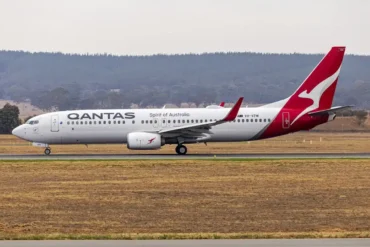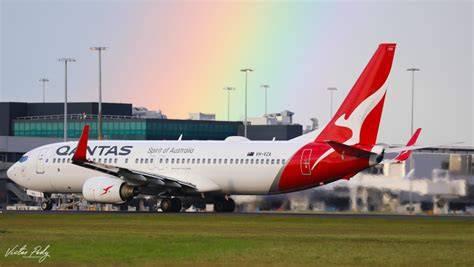
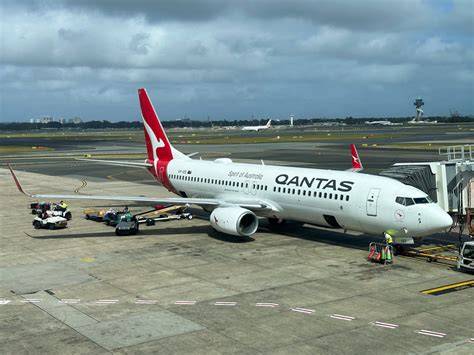
A Qantas Airbus A321 and Boeing 737-800 were directed toward the same taxiway intersection at Sydney Kingsford Smith Airport, creating the fourth significant aviation safety incident at Australia’s busiest airport in less than a month. The latest event has prompted a new investigation by the Australian Transport Safety Bureau (ATSB) as regulators examine whether recurring weaknesses in ground coordination, air traffic control workload, staffing, or newly introduced procedures could be contributing to a worrying pattern.
The incident occurred on August 18, when the Qantas A321 was preparing for a flight to Gold Coast Airport while the Qantas 737 had arrived from Melbourne. According to the ATSB, the Boeing had been cleared to continue along a taxiway while the Airbus had separately been cleared to turn onto that same route. The A321 crew ultimately braked after the conflicting movement became apparent. No collision occurred, and there were no reported injuries or aircraft damage, but the event has nevertheless attracted regulatory scrutiny because of its similarities to several earlier incidents at Sydney Airport.
The ATSB has emphasized that there was no immediate risk of collision in the latest occurrence. That distinction is important, but it does not make the event insignificant. Investigators are specifically looking for common contributing factors across the recent incidents rather than treating each occurrence as an isolated mistake. The evidence-gathering phase is expected to include interviews with air traffic controllers and flight crews, examination of recorded operational data, and collection of other relevant information. A preliminary report is expected within approximately six to eight weeks.
Fourth Sydney Airport Near-Miss Raises Air Traffic Control Concerns
The latest Qantas event follows three other incidents that have placed Sydney Airport air traffic control operations under intense examination. On July 27, a Qantas 737 and a QantasLink turboprop became involved in a runway conflict after the 737 was cleared to cross while the turboprop was approaching. The Boeing stopped after crossing the safety hold point, preventing the situation from developing further.
The most serious cluster occurred on August 9. A Jetstar A320 was forced to brake sharply to avoid a Qatar Airways Boeing 777-300ER being towed across its path, with a Jetstar cabin crew member suffering an injury that required medical treatment. Several hours later, a Virgin Australia Boeing 737 beginning its takeoff roll observed a Qantas 737 crossing the runway ahead. The Virgin aircraft reduced thrust and stopped, while air traffic control canceled the takeoff clearance.
These incidents differ in their precise circumstances, but they share an important characteristic: multiple layers of operational defense prevented a potential accident. Flight crews recognized developing conflicts, aircraft were stopped, and controllers intervened before aircraft collided. ATSB Chief Commissioner Angus Mitchell has stressed that aviation accidents rarely result from a single failure; instead, several defenses normally have to fail before a serious accident occurs.
Sydney Airport Faces Pressure From Complex Airspace Changes
Sydney’s operational environment has also become more complicated following the integration of Western Sydney International Airport into the broader Sydney terminal area. Airspace arrangements changed on July 9, introducing new control structures and revised visual flight rules routes around Western Sydney, Bankstown and Camden.
Those changes have increased the knowledge and coordination requirements for controllers working within an already demanding environment. Reports have indicated that some controllers expressed concerns about having insufficient time to absorb the new and highly detailed procedures. Staffing pressures and overtime have added another layer of concern, although investigators have not yet concluded that controller shortages or fatigue caused the recent incidents.
Why the ATSB Investigation Matters for Qantas and Sydney Airport
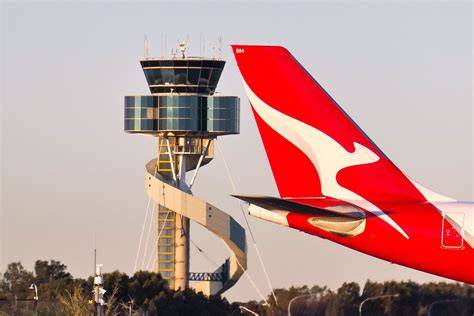
Sydney Kingsford Smith is Australia’s busiest airport and a critical hub for Qantas, meaning even relatively small disruptions can affect a large number of flights. Ground movements are particularly demanding because aircraft arriving, departing, crossing runways, being towed and repositioning around terminal areas must be coordinated within tightly controlled spaces.
The investigation therefore matters beyond the two aircraft involved in the latest Qantas incident. If the ATSB identifies recurring problems in communication, taxiway clearances, controller workload, training, staffing or the implementation of new procedures, corrective action could extend across the airport’s entire operating system. The objective is not simply to determine who made a mistake, but to understand why the system allowed conflicting instructions to develop.
Qantas has confirmed that its aircraft were operating according to instructions from air traffic control and said it would support the ATSB investigation. The regulator’s findings will now be closely watched by airlines, controllers and airport authorities because four close calls in such a short period inevitably raise questions about whether existing safeguards are working as intended.
For Sydney Airport, the priority is clear: determine the common factors quickly, strengthen the defenses that prevented these events from becoming accidents, and ensure the increasingly complex operating environment does not create another near-miss. The ATSB investigation should provide the evidence needed to separate isolated operational errors from deeper systemic weaknesses.