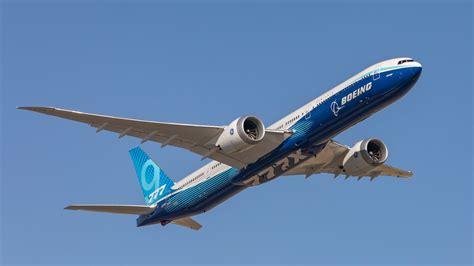
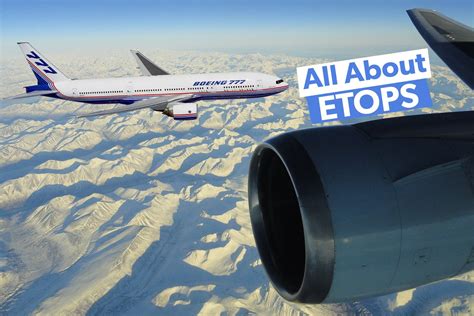
Boeing’s 777-9 program has reached another major certification milestone as the seventh test aircraft completed its first flight on July 29, pushing the next-generation wide-body jet’s test campaign beyond 4,800 flight hours. The latest aircraft will now focus on Extended-range Twin-engine Operational Performance Standards (ETOPS) certification, a critical step required before the aircraft can begin commercial operations on long-distance routes.
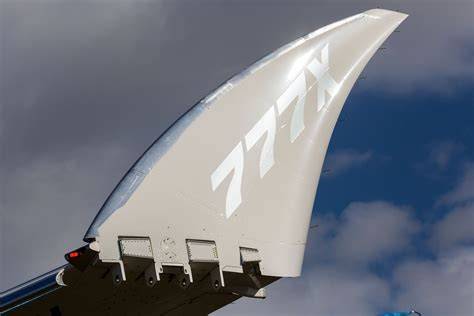
The milestone represents significant progress for Boeing’s largest twin-engine commercial aircraft program, which has experienced years of delays, technical challenges, and regulatory scrutiny. The 777-9, part of the wider 777X family, features advanced technologies including folding wingtips, a composite wing structure, and updated systems designed to improve fuel efficiency and operational economics.
The seventh flight-test aircraft joining the certification campaign signals that Boeing is moving closer to the final stages of approval. Once certified, the aircraft is expected to become one of the most capable long-range passenger jets in the world, serving major international airlines that have been waiting years for the new generation of wide-body aircraft.
The Long Certification Journey of the Boeing 777-9
The road toward commercial service has been far longer than Boeing originally expected. The Boeing 777-9 was initially scheduled to enter airline service in 2020, with German carrier Lufthansa selected as the launch customer. However, the timeline changed dramatically following the global crisis surrounding the Boeing 737 MAX program after two fatal accidents resulted in the grounding of the aircraft and intense regulatory reviews.
As Boeing redirected significant resources toward rebuilding confidence in its commercial aircraft operations, the 777X program faced additional delays. Certification requirements evolved, production schedules shifted, and early test aircraft became increasingly separated from the final production standard expected by customers.
Similar to the early production challenges experienced by the Boeing 787 Dreamliner program, some early 777-9 test and production aircraft require extensive modifications. These aircraft were built during an earlier stage of development and may need structural updates, system improvements, and weight reduction work before entering passenger service.
The prolonged delay has created substantial financial pressure for Boeing. The company has reportedly absorbed billions of dollars in costs connected to the 777X program, while airlines have continued waiting for aircraft originally ordered many years ago.
ETOPS Testing Marks a Critical Certification Phase
The addition of the seventh aircraft to the test fleet is particularly important because it will support ETOPS certification, which determines how far twin-engine aircraft can operate from suitable diversion airports during extended flights.
For modern long-range aircraft, ETOPS approval is essential. It allows airlines to operate efficient twin-engine jets across oceans and remote regions where alternative airports may be hundreds of miles away. The certification process evaluates engine reliability, aircraft systems, maintenance procedures, and emergency response capabilities.
The Boeing 777 family has built a strong reputation for long-range reliability, and the 777-9 is designed to continue that legacy while offering improved efficiency. Powered by advanced engines and equipped with a larger composite wing, the aircraft aims to deliver lower fuel consumption compared with previous-generation wide-body aircraft.
The current test fleet has been conducting thousands of hours of evaluations covering performance, handling characteristics, cabin systems, and operational reliability. Reaching 4,800 flight hours demonstrates that the aircraft has completed a significant portion of the demanding certification process required by aviation regulators.
Customer Concerns Over Early Boeing 777-9 Aircraft
Despite progress in testing, Boeing continues to face challenges related to early production aircraft. Several customers placed orders years ago, but the extended delay means some of the earliest airframes no longer represent the latest production standards.
Emirates, one of the largest 777X customers, has expressed concerns about accepting some early-build aircraft. The airline has argued that these aircraft require extensive rework because they were manufactured before updated requirements and design improvements were introduced.
Some early 777-9 airframes have remained stored at Boeing facilities since production began, creating additional complications. Aircraft that sit unused for years may require significant inspections, system updates, and modifications before they can enter commercial operations.
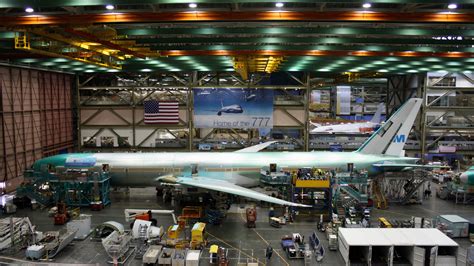
These challenges highlight the difficulty of managing a large aircraft program through years of delays. Manufacturers must balance customer expectations, regulatory requirements, production efficiency, and the cost of updating aircraft built under earlier specifications.
New Opportunities as Boeing Moves Toward Delivery
While the 777-9 program has faced setbacks, the approaching certification milestone creates new opportunities for Boeing and potential operators. Airlines looking to replace older aircraft, especially aging Boeing 777-200 and 767 fleets, could benefit from acquiring the new-generation aircraft.
United Airlines has emerged as a potential candidate for future 777X operations. Although the carrier has not officially committed to the type, analysts have suggested that early test aircraft could represent an opportunity for the airline to expand its wide-body fleet at a reduced cost.
For Boeing, placing additional aircraft into service would help recover investment in the program and strengthen confidence among global airline customers. The 777-9 remains an important part of Boeing’s strategy to compete in the long-range aircraft market alongside newer models from Airbus.
The aircraft’s combination of range, efficiency, passenger capacity, and advanced technology positions it as a potential replacement for older four-engine and early-generation twin-engine wide-body aircraft. As certification progresses, the aviation industry is watching closely for the moment when the 777-9 finally transitions from a long-running test program into commercial airline service.
With the seventh test aircraft now entering ETOPS trials and total flight hours continuing to increase, Boeing’s 777X program is entering one of its most important phases. After years of delays, the next chapter of the iconic 777 family is moving closer to reality.