The introduction of the Boeing 767 marked a watershed moment in aviation history. Its development wasn’t just another evolutionary step in aircraft design—it was a strategic pivot that redefined long-haul travel. With its twin-engine configuration and innovative design, the 767 carved a path toward ETOPS (Extended-range Twin-engine Operational Performance Standards) certification, reshaping the future of commercial aviation.
Understanding the ETOPS Paradigm: Why It Mattered
ETOPS emerged as a response to long-standing aviation safety regulations. Historically, the Federal Aviation Administration (FAA) prohibited two-engine aircraft from flying routes that positioned them more than 60 minutes away from an adequate airport, in case of an engine failure. This rule ensured that twinjets couldn’t venture far over oceans or remote regions, keeping long-haul travel the domain of three- or four-engine aircraft.
But this limitation was not just a matter of bureaucracy—it was born out of necessity. In the early jet age, engine reliability wasn’t high enough to entrust long stretches of ocean or wilderness to aircraft with only two powerplants. That changed in the 1980s with the advent of the Boeing 767.
The Boeing 767: A Twinjet Engineered for the Future
The Boeing 767-200ER broke new ground with its exceptional design and robust systems architecture. Its Pratt & Whitney JT9D engines, followed by the PW4000 and GE CF6 series, offered unprecedented reliability. But what truly differentiated the 767 was its integration of computerized monitoring systems, specifically the EICAS (Engine-Indicating and Crew-Alerting System).
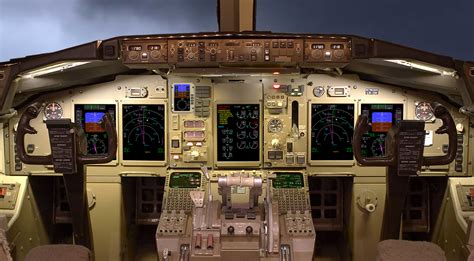
This system provided real-time diagnostic data, alerting the crew to anomalies long before they became critical. Pilots could now make informed decisions mid-flight, enhancing safety and making ETOPS ambitions achievable. At a time when other aircraft had limited instrumentation feedback, the EICAS-equipped 767 stood out as an engineering marvel.
Design Specifications That Set a New Benchmark
Beyond just the engines, the physical characteristics of the 767 contributed to its long-range efficiency:
- Wingspan: 156.2 feet (47.6 meters), designed for optimized lift-to-drag ratio
- Length: 159.1 feet (48.5 meters)
- Range: 6,600 nautical miles (12,223 km), ideal for transoceanic travel
- Height: 52.2 feet (15.9 meters)
To secure ETOPS certification, Boeing worked closely with the FAA, collecting extensive operational data and introducing design redundancies. These included a fourth independently powered electrical generator, enhanced fire suppression systems, and additional cooling features for electrical and avionics bays—each detail reinforcing the aircraft’s capability to withstand in-flight issues during extended overwater segments.
Breaking Barriers: The Path to ETOPS Certification
Initially, even with the 767’s design excellence, resistance to ETOPS was fierce. FAA Administrator Lyn Helms famously declared, “It’ll be a cold day in hell before I let twins fly long haul, overwater routes.” Safety was paramount, and skepticism was justified.
Change came with the leadership of Donald Engen, Helms’ successor. Under Engen’s guidance and with overwhelming statistical evidence from real-world 767 operations, the FAA gradually allowed longer overwater flights.
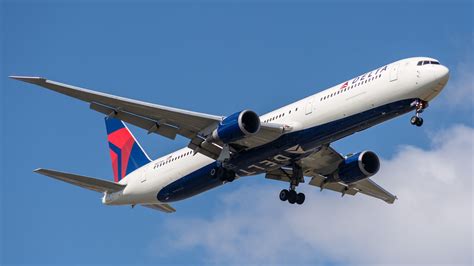
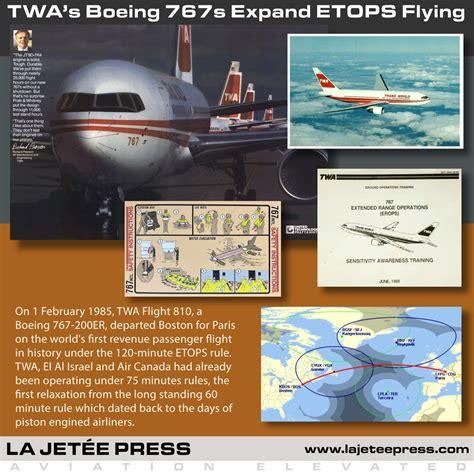
Airlines like El Al, Air Canada, and Trans World Airlines (TWA) were early adopters, initially operating under 75-minute ETOPS limits. A pivotal milestone was reached in 1985 when TWA Flight 810 flew from Boston to Paris under a newly sanctioned 120-minute ETOPS rule. This game-changer allowed airlines to retire fuel-guzzling tri-jets like the Lockheed L-1011, embracing the more efficient 767.
Aviation Redefined: From 120 to 180 Minutes
The goal wasn’t just 120 minutes—it was 180. That would enable true global reach, including transpacific routes such as California to Hawaii, previously exclusive to four-engine giants.
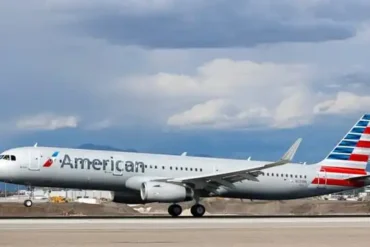
Boeing pushed forward with more data, testing, and successful long-haul operations. By 1989, American Airlines initiated 180-minute ETOPS service using the 767. In 1993, every variant of the 767 family achieved full 180-minute ETOPS certification, ushering in a new era of operational freedom for twinjets.
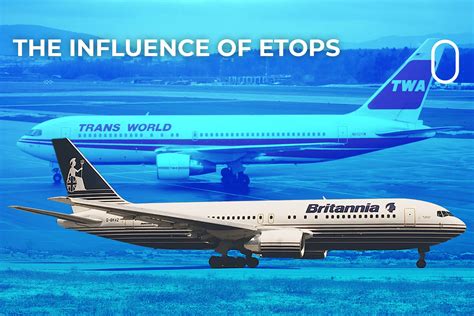
This certification marked a tectonic shift. Airlines were now free to use efficient twin-engine aircraft for routes previously deemed too risky. For island nations, isolated territories, and sparsely populated regions, ETOPS opened new commercial air corridors.
Hawaiian Airlines and the ETOPS Leap
In 2001, Hawaiian Airlines achieved a historic milestone by receiving 180-minute ETOPS approval for its 767-300ER fleet—without prior ETOPS experience. This not only symbolized trust in the aircraft but also signaled the maturity of ETOPS protocols.
Paul Casey, then CEO of Hawaiian Airlines, called it a “new era of greater efficiency and flexibility.” Doug Groseclose of Boeing echoed this sentiment, praising the 767 as the “right product to meet our customers’ needs.”
The 767 now operated seamlessly between Hawaii and mainland U.S. cities, dismantling the dominance of quad-jets and enabling cost-effective service across the Pacific.
Long-Term Impact: 767’s Role in Shaping Aviation’s Future
The legacy of the Boeing 767 goes far beyond its metal and machinery. Its successful ETOPS certification redefined aircraft design and route planning philosophy. Where once airlines prioritized engine count for safety, they now looked to redundancy, data-driven safety, and engineering maturity.
By the early 1990s, 767s were handling more transatlantic crossings than all tri- and quad-jets combined. By the year 2000, over 50% of such routes were dominated by the 767. ETOPS wasn’t just viable—it had become the standard.
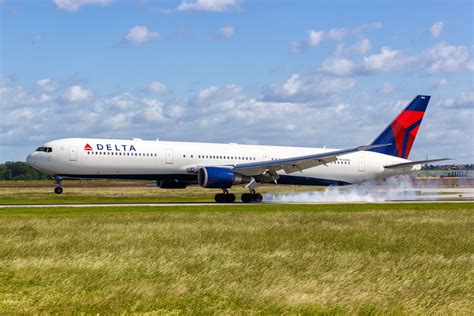
This new normal paved the way for later aircraft like the Boeing 777, 787 Dreamliner, and Airbus A350, all engineered with ETOPS in mind from inception. These aircraft, now mainstays of long-haul fleets, owe much of their operational philosophy to the trail blazed by the 767.
Modern Echoes: ETOPS in the Age of the 777X
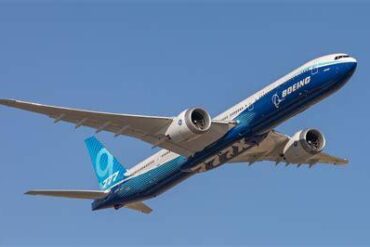
Even as the 767 approaches retirement, the importance of ETOPS endures. Boeing’s 777X, touted as the future of ultra-long-haul travel, is undergoing rigorous ETOPS testing. Despite delays, the process remains essential. The jet’s GE9X engines underwent endurance testing involving deliberate rotor imbalances to simulate worst-case scenarios.
Over 3,000 ground-test cycles are required before full ETOPS clearance. Though technically more advanced, the 777X follows the same certification principles once applied to the 767: prove safety through engineering and data.
Retirement of a Legend, But Not the End of an Era
Today, carriers like Delta Air Lines and United Airlines are planning to retire their remaining 767 fleets. Under United’s “Next” initiative, newer models will replace them by 2030. But the 767 story isn’t over yet.
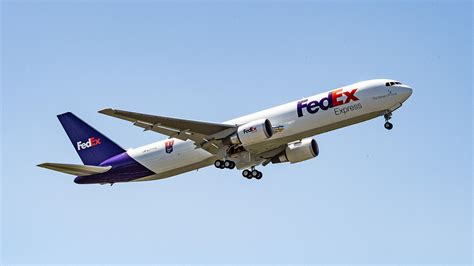
The aircraft remains a dominant player in the cargo sector, where FedEx operates 120 units and UPS Airlines fields 80. Freighter variants ensure the design’s longevity, with robust ETOPS capability making them ideal for transoceanic logistics.
Conclusion: The 767’s ETOPS Legacy is Industry-Defining
The Boeing 767 didn’t just become the first true long-haul twinjet—it shattered decades-old safety norms and redefined what was possible in commercial aviation. Through visionary engineering, unrelenting data collection, and collaborative certification, the 767 demonstrated that two engines were enough.
Today, every widebody jet flying long-haul on two engines stands on the shoulders of the 767. From Hawaii to Heathrow, from Addis Ababa to Amsterdam, the 767’s legacy lives on in every transoceanic flight that trusts in ETOPS. The philosophy it proved—that safety, efficiency, and innovation can coexist—remains the north star for modern aviation.