Wing foiling, also known as wingsurfing or winging, is an exciting and rapidly evolving water sport that has taken the world by storm. This unique activity combines elements of kitesurfing, windsurfing, and traditional surfing, resulting in an exhilarating and dynamic sport that is accessible to both beginners and seasoned enthusiasts. In this article, we explore the intricacies of wing foiling, its history, modern development, and how it has reshaped the way we experience water sports.
What is Wing Foiling?
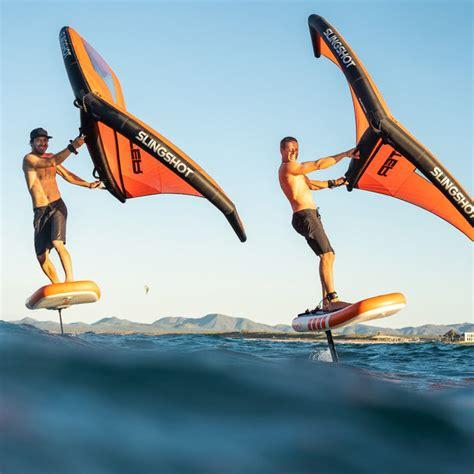
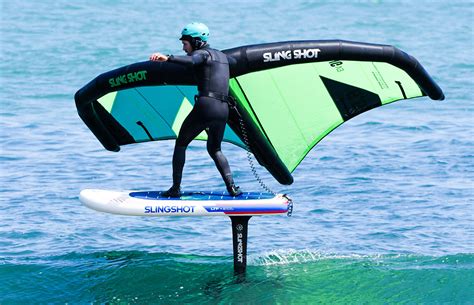
Wing foiling is a wind-propelled water sport where the rider uses a handheld wing to generate both upward and horizontal forces, propelling them across the water. The wing is typically attached to a foilboard, which is a type of board equipped with a hydrofoil. This hydrofoil allows the rider to lift off the water’s surface at relatively low speeds, significantly reducing friction and offering an incredibly smooth ride. The wing itself, often inflatable, is used to harness the wind’s power, similar to a kite in kitesurfing, but with a key difference: the wing is not tethered to the board with lines.
The modern wing foiling experience is marked by its simplicity and versatility. Unlike kitesurfing, which requires the rider to control a large kite, or windsurfing, which uses a sail fixed to the board, wing foiling allows for more freedom of movement. Riders hold onto the wing with both hands, maneuvering it to catch the wind while adjusting their position on the board. This fluidity has made wing foiling an attractive choice for water sport enthusiasts seeking a new challenge.
The Evolution of Wing Foiling
The origins of wing foiling can be traced back to the early 1980s, with the development of wing surfing. Jim Drake, an aeronautical engineer and windsurfing pioneer, along with Uli Stanciu, invented the world’s first wing. Their design was based on the shape of a flying fish and was intended to be used with a traditional windsurf board. Although their invention was innovative, it was ahead of its time. The technology was not yet refined enough to gain widespread popularity, and the wings remained relatively unused for years.
However, over the following decades, various prototypes and designs emerged, evolving into the modern wings we see today. The breakthrough came in the 2010s, with the introduction of inflatable wings that could be easily deflated and packed away for transport. The inflatable design made it possible to create more efficient, lightweight wings that were capable of providing sufficient propulsion when paired with foilboards.
In 2011, Tony Logosz, co-founder of Slingshot Kiteboarding, created the first prototypes of what would later be known as the “Slingwing.” These early designs were tested in the Columbia Gorge, and their success paved the way for the growth of wing foiling as a sport. By 2019, major brands such as Duotone and Naish were introducing inflatable wings to the market, making the sport accessible to a wider audience. Today, wing foiling is experiencing rapid growth, with competitions such as the Wingfoil World Tour gaining popularity worldwide.
How Does Wing Foiling Work?
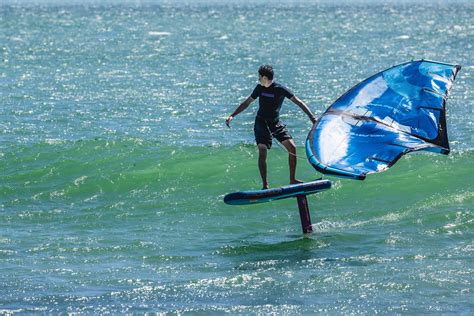
Wing foiling is all about harnessing the power of the wind to create forward motion and lift. Riders stand on a foilboard, which features a hydrofoil beneath the board. The hydrofoil consists of a large, wing-like fin that is submerged beneath the water’s surface. As the rider accelerates, the foil generates lift, lifting the board off the water and allowing the rider to glide effortlessly across the surface.
The wing itself is the key to propulsion. By holding onto the wing, riders can control its angle and position relative to the wind. The wing generates both vertical lift and horizontal propulsion, allowing the rider to maintain speed and maneuver with ease. The skillful manipulation of the wing is critical to achieving high speeds and staying in control, especially in strong winds.
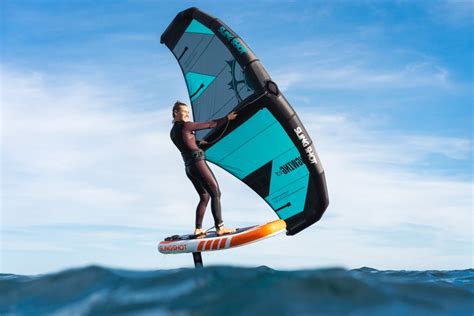
While wing foiling is often compared to other wind-based sports, such as kitesurfing and windsurfing, it offers unique advantages. The absence of lines and the simplicity of the wing design make it easier for riders to master. Unlike kitesurfing, which requires precise control of a large kite and its lines, wing foiling offers more freedom of movement and a more intuitive feel. Additionally, the foilboard’s ability to lift off the water means that wing foiling can be enjoyed in lighter winds compared to traditional windsurfing or kitesurfing.
Equipment Required for Wing Foiling
To get started with wing foiling, riders need specific equipment, which typically includes a wing, a foilboard, and a harness or leash for safety. Below is a breakdown of the key components:
- Wing: The wing is typically made of lightweight, durable fabric, often with an inflatable structure to make it easy to transport. Wings come in various sizes, ranging from 2.2 m² for lighter winds to 9 m² for stronger winds. The size of the wing depends on the rider’s weight, skill level, and the wind conditions.
- Foilboard: The foilboard is similar to a traditional surfboard but equipped with a hydrofoil. The hydrofoil allows the board to lift off the water at low speeds, reducing friction and enabling a smoother ride. Foilboards are available in different shapes and sizes to accommodate various riding styles and conditions.
- Harness or Leash: While not strictly necessary, some riders choose to wear a harness to relieve the strain on their arms during long sessions. A leash is also important for safety, ensuring that the rider stays connected to their board.
Wing Foiling in Different Environments
Wing foiling is a versatile sport that can be enjoyed in a variety of environments, from flat water lakes to ocean waves. One of the main attractions of wing foiling is its adaptability. The sport can be practiced in various wind conditions and on different bodies of water. Whether you’re gliding across a calm lake, carving through ocean waves, or even using a foilboard on snow or sand, wing foiling offers endless possibilities.
- Ocean Waves: Wing foiling in the surf is particularly popular among advanced riders who seek the thrill of riding waves while controlling the wing. The combination of wind power and wave riding provides an exhilarating experience that requires both skill and timing.
- Flat Water: For beginners or those seeking a more relaxed ride, wing foiling on flat water is ideal. The ability to get up on the foil quickly and glide smoothly across the surface makes it a perfect entry point for newcomers to the sport.
- Snow and Sand: Wing foiling is not limited to water. With the right board and wing, riders can take their skills to the snow or sand, using the wind to propel them across land or snow-covered slopes.
The Future of Wing Foiling
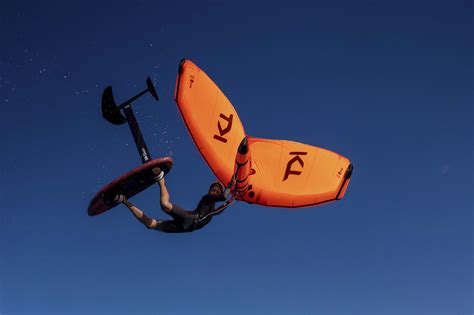
Wing foiling is still a relatively new sport, but its rapid growth suggests that it is here to stay. As technology continues to improve, we can expect to see further innovations in wing design, foil technology, and board construction. The sport’s simplicity and versatility make it an attractive option for riders of all skill levels, and its potential for growth in new environments, such as snow and sand, will only add to its appeal.
As wing foiling continues to evolve, the introduction of competitive events such as the Wingfoil World Tour has provided a platform for riders to showcase their skills. With a growing global community of enthusiasts, the future of wing foiling looks bright.
In conclusion, wing foiling is a thrilling, dynamic sport that has quickly gained traction in the world of wind-powered water sports. Its combination of simplicity, versatility, and excitement makes it an ideal choice for water sport enthusiasts looking for a new challenge. Whether you’re a beginner looking to try something new or an experienced rider seeking an adrenaline rush, wing foiling offers endless possibilities. As the sport continues to evolve and grow, there’s no doubt that it will continue to captivate riders around the world.