The Boeing 747 operating cost per hour remains one of the most fascinating figures in commercial aviation because it reveals the true economics behind one of the most iconic aircraft ever built. Although the passenger version of the Boeing 747 has almost disappeared from major airline fleets, the aircraft continues to perform critical missions as a freighter, VIP aircraft, and specialized transport platform.
The answer to how much a Boeing 747 costs airlines to operate per hour is not a single number. Depending on how the calculation is made, the figure can range from approximately $20,000 to more than $40,000 per hour. A scheduled cargo airline flying a Boeing 747-400 or Boeing 747-8 typically spends around $20,000 to $30,000 per block hour, while private charter operations can exceed $40,000 per hour because they must recover fixed costs over fewer flights.
Understanding the true hourly cost of operating a Boeing 747 requires looking beyond fuel consumption alone. Airlines must account for maintenance, crew expenses, airport charges, insurance, financing, depreciation, and aircraft utilization. Every flight represents a combination of variable and fixed costs that determine whether this four-engine giant remains economically viable.
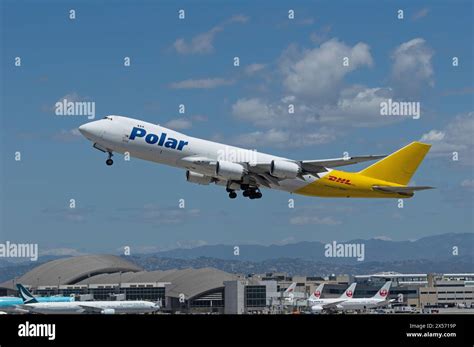
The Real Boeing 747 Operating Cost Per Hour in 2026
In 2026, the typical direct operating cost (DOC) of a Boeing 747-400 or Boeing 747-8 falls between $20,000 and $30,000 per block hour for commercial operators. This measurement includes expenses directly connected to flying the aircraft, including fuel, flight crew, maintenance reserves, airport fees, navigation charges, and ground handling costs.
The term block hour is important because airlines calculate operating time from the moment the aircraft leaves the gate until it reaches the destination gate. It includes taxiing, waiting for departure clearance, and ground movements after landing. This makes block-hour calculations more realistic than simply measuring time spent cruising at altitude.
A fully depreciated Boeing 747-400 generally operates toward the lower end of the cost range. Many older aircraft no longer carry significant financing expenses, allowing operators to focus mainly on fuel, maintenance, and operational costs. However, these savings can be offset by aging components, higher maintenance requirements, and limited availability of replacement parts.
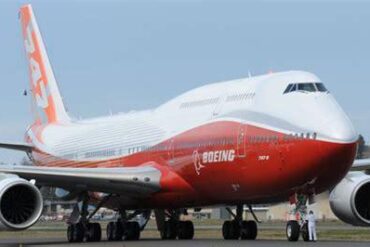
The newer Boeing 747-8 presents a different economic picture. It benefits from improved aerodynamics, more efficient General Electric GEnx engines, and updated systems, but it also carries higher acquisition and financing costs. As a result, the total hourly expense can approach or exceed the upper end of the commercial operating range.
The difference between the two aircraft highlights an important aviation principle: newer aircraft are not always dramatically cheaper to operate in absolute terms. Their advantage often appears through improved cost per seat, cost per tonne of cargo, and greater efficiency over long missions rather than simply reducing the number of dollars spent every hour.
Fuel Costs: The Biggest Expense Behind Every Boeing 747 Flight
Fuel remains the single largest factor influencing the hourly operating cost of a Boeing 747. A Boeing 747-400 can burn approximately 3,240 gallons of jet fuel per hour during cruise, equivalent to more than 12,000 liters. That means the aircraft consumes fuel at a rate of roughly one gallon every second while airborne.
At modern jet fuel prices, the hourly fuel bill alone can exceed $10,000, especially during periods of high energy prices. This explains why fuel efficiency became one of the primary reasons airlines replaced passenger Boeing 747 fleets with newer twin-engine aircraft such as the Boeing 787 Dreamliner and Airbus A350.
The aircraft’s fuel consumption changes significantly depending on operating conditions. A heavily loaded cargo aircraft flying a long intercontinental mission requires more thrust during takeoff and climb, increasing fuel consumption. Weather conditions, headwinds, routing restrictions, and air traffic congestion can also add thousands of dollars to a single flight.
Cargo operators must carefully balance payload, distance, and fuel requirements. A Boeing 747 freighter may burn more fuel than smaller aircraft, but its ability to carry enormous volumes of cargo allows airlines to spread that expense across a much larger revenue load.
This is why the Boeing 747 continues to survive in the cargo market. For transporting large quantities of freight across continents, the aircraft’s capacity can outweigh its higher fuel consumption.
Why Maintenance Makes the Boeing 747 Expensive to Operate
Fuel may be the largest single expense, but maintenance is often the cost category that determines whether a Boeing 747 remains profitable. The aircraft’s four-engine design creates both advantages and disadvantages.
A Boeing 747 requires maintenance programs covering four engines, four sets of major components, and a large number of complex systems. While modern twin-engine aircraft only require two engine maintenance programs, the 747 must support twice as many powerplants.
Engine overhauls represent one of the biggest financial challenges. A major engine refurbishment can cost millions of dollars, and on older Boeing 747-400 freighters, a single engine event can represent a significant percentage of the aircraft’s market value.

However, experienced operators can reduce these expenses through specialized knowledge and long-term maintenance planning. Companies with extensive Boeing 747 experience often maintain large spare-parts inventories, dedicated engineering teams, and established relationships with maintenance providers.
This creates a major difference between operators. Two airlines flying identical Boeing 747 aircraft may report significantly different hourly costs because their labor agreements, maintenance strategies, utilization rates, and purchasing contracts are different.
Crew Costs Add Another Layer to Boeing 747 Hourly Expenses
The Boeing 747 requires a larger crew than most modern widebody aircraft. At minimum, commercial operations require two pilots, while longer international flights may require additional flight crew members to comply with rest regulations.
The aircraft also requires a larger cabin crew because of its size. Passenger versions typically carried more than 400 travelers, requiring many flight attendants to meet safety regulations. Although most remaining 747s are freighters, crew costs still represent an important part of hourly operating expenses.
Senior Boeing 747 captains, particularly those working for major cargo airlines, command substantial salaries because of their experience and specialized qualifications. Maintaining a workforce capable of operating and maintaining the aircraft is becoming increasingly challenging as the global 747 fleet continues to shrink.
As fewer airlines operate the type, the pool of experienced pilots, mechanics, and engineers becomes smaller. This creates additional pressure on operating costs because specialized skills often command premium compensation.
Why Cargo Airlines Can Still Make Money Flying Boeing 747s
The Boeing 747 struggled in passenger service because airlines often could not consistently fill hundreds of seats while competing against smaller, more efficient twin-engine aircraft. However, the cargo market changed the equation completely.
Freighters benefit from the Boeing 747’s enormous internal volume, long range, and unique nose-loading capability. These features allow cargo airlines to transport oversized shipments that cannot easily fit inside conventional widebody aircraft.
Operators such as Atlas Air, UPS Airlines, and Cargolux continue using Boeing 747 freighters because the aircraft provides capabilities that newer aircraft cannot always replace. A flight costing more than $20,000 per hour can still be profitable if it carries valuable cargo across long international routes.
The aircraft’s retirement from passenger service does not mean the end of its commercial usefulness. Instead, the Boeing 747 has moved into a specialized role where its size becomes an advantage rather than a disadvantage.
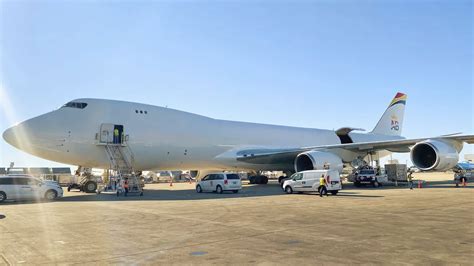
Private Boeing 747 Charter Costs Can Reach $40,000 Per Hour
Operating a Boeing 747 as a private charter aircraft creates a completely different financial model. A scheduled airline may fly a single aircraft many hours every day, spreading fixed expenses across thousands of flights annually.
A VIP or private charter Boeing 747 often flies far fewer hours. However, expenses such as insurance, hangar space, maintenance reserves, crew salaries, and financing continue even when the aircraft is parked.
Because of this low utilization, charter operators must charge much higher hourly rates. A private Boeing 747 charter can cost between $25,000 and $40,000 per hour, depending on aircraft configuration, mission requirements, and operator pricing.
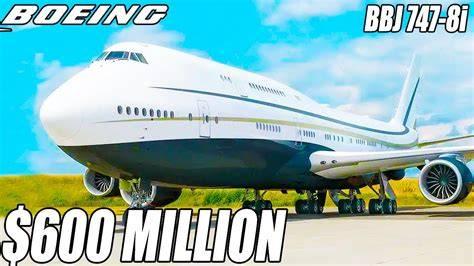
A customized VIP Boeing 747 can cost hundreds of millions of dollars, especially when featuring luxury interiors, private bedrooms, conference areas, and advanced communication systems. Recovering that investment requires premium pricing.
Positioning flights also increase costs. Unlike scheduled airline operations where aircraft move between profitable routes, private charter aircraft may need to fly empty to pick up passengers and return empty afterward.
Why Boeing 747 Operating Costs Are Unlikely to Fall
The future of Boeing 747 operating costs is unlikely to involve major reductions. Several structural challenges continue pushing expenses higher.
The global 747 fleet is shrinking, which reduces economies of scale. As fewer aircraft remain active, spare parts become harder to source, specialized maintenance facilities become less common, and experienced technicians become more valuable.
At the same time, fuel prices remain a major uncertainty. A four-engine aircraft will always be more sensitive to fuel price increases compared with modern twin-engine designs.
However, the Boeing 747 continues to survive because certain missions still require its unique capabilities. Cargo operators value its capacity, governments use specialized versions for important missions, and wealthy private owners continue investing in customized aircraft.
The Boeing 747 may no longer dominate passenger aviation, but its economics still work in specific markets.
The Final Answer: How Much Does a Boeing 747 Cost Per Hour?
The realistic answer in 2026 is that a Boeing 747 costs airlines approximately $20,000 to $30,000 per block hour under normal scheduled operations. This includes the major expenses associated with flying the aircraft but varies widely depending on fuel prices, maintenance practices, labor costs, and aircraft age.
For private charter operations, the hourly cost can rise to $40,000 or more because fixed expenses must be recovered over fewer flight hours.
The Boeing 747 remains an expensive aircraft to operate, but cost alone does not determine value. For missions requiring exceptional cargo capacity, long-range capability, and unique operational flexibility, the world’s most famous jumbo jet still earns its place in modern aviation.