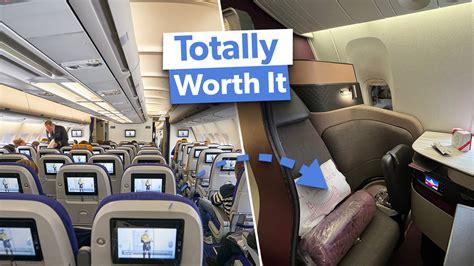
For many travelers, a business class upgrade still feels like one of aviation’s great mysteries. A passenger sees several empty-looking seats in the premium cabin, asks a check-in agent whether anything is available, and wonders why the airline does not simply move someone forward. The assumption is understandable: if the seat is going to depart empty anyway, giving it to a loyal customer should seem better than leaving it unused. But airline upgrade systems are built around much more than the number of seats visible on a seat map.
At most major airlines, the process is driven by a combination of frequent-flyer status, fare class, upgrade inventory, revenue-management decisions, and the timing or type of upgrade request. The system can rank hundreds of passengers without a gate agent personally deciding who deserves a better seat. By the time passengers arrive at the airport, much of the decision-making may already have happened inside the airline’s reservation and revenue-management systems.
That helps explain why traditional upgrade myths persist. Dressing professionally, being exceptionally polite, celebrating a honeymoon, or asking at exactly the right moment can make a pleasant interaction with airline staff, but those factors generally do not replace the airline’s formal upgrade hierarchy. In many cases, the person standing at the gate has very little authority to override it.
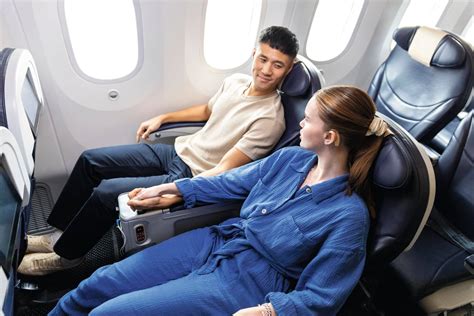
The process can also vary significantly between airlines and even between different types of flights. Domestic first class, international business class, premium economy, and top-tier cabins may use different inventory controls and eligibility rules. The result is an industry system that looks simple from the passenger’s seat but is remarkably complicated behind the scenes.
1. Most Business Class Upgrades Are Automated
One of the biggest misconceptions is that the gate agent chooses who gets upgraded. In reality, the agent is often the final operator of a process that has already been determined by the airline’s computer systems. Passengers eligible for complimentary or waitlisted upgrades are generally placed into a priority order according to the carrier’s published rules, and the system clears passengers when qualifying upgrade inventory becomes available.
That means arriving early at the airport does not necessarily move a passenger to the front of the queue. Some airlines automatically process upgrades well before boarding begins. Others continue clearing passengers close to departure as inventory changes. American Airlines, for example, has described different clearance windows for different customer groups, with its highest-level ConciergeKey members eligible for early processing, while airport-level complimentary upgrades can clear much closer to departure.
Delta Air Lines likewise explains that upgrades can clear automatically when eligible inventory becomes available, with factors including loyalty status and the cabin purchased affecting priority. The gate agent may become involved when operational circumstances create a need for manual seat assignments, but that is different from personally selecting a favorite passenger for an upgrade.
This is why the classic strategy of approaching the counter and saying, “Do you have anything in business class?” is usually ineffective for a complimentary upgrade. An agent may be able to explain available options or sell an upgrade, but an empty seat does not automatically give that employee discretion to hand it over.
2. An Empty Business Class Seat May Not Be Available for an Upgrade
The seat map is one of the most misleading tools passengers use when judging business class upgrade availability. Seeing several unoccupied seats in the premium cabin does not mean those seats have been released for complimentary upgrades.
Airlines separate physical seat availability from commercial inventory. A business class seat might remain unsold because the airline expects a last-minute customer to purchase it. It might be held for a higher-value booking, protected for operational reasons, or offered through a paid upgrade channel. From the passenger’s perspective, all of those situations can look identical: an empty seat.
Delta has explicitly warned customers that seat map availability does not necessarily correspond with upgrade availability. American Airlines similarly explains that some seats may not be available for complimentary upgrades even when they appear open, because they can be retained for sale as tickets or paid upgrade offers.
This distinction is central to understanding airline revenue management. A carrier does not necessarily lose money by allowing a business class seat to remain empty. It may be making a calculated decision to preserve that seat for a potential customer willing to pay hundreds or thousands of dollars shortly before departure.
The apparent contradiction becomes easier to understand when premium-cabin demand is strong. If a business traveler books a last-minute ticket at a high fare, releasing the seat days earlier to a complimentary upgrade could mean sacrificing revenue. Airlines therefore control premium inventory carefully and may wait until the departure date before deciding how many seats can safely be used for upgrades.
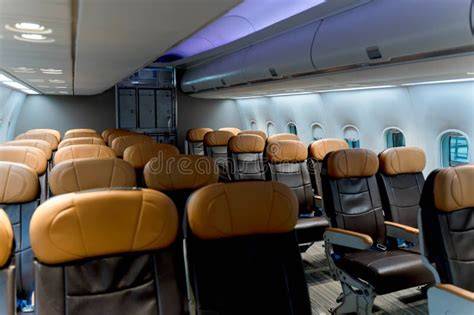
3. Elite Status Is Important, But It Is Not the Entire Upgrade Hierarchy
Frequent-flyer status is one of the most visible factors in an airline’s upgrade system, but it is only one part of the calculation. Two passengers holding the same elite tier can still occupy different positions on the upgrade list.
American Airlines provides a useful example. Its published upgrade priority considers AAdvantage elite status first, followed by the type of upgrade, Loyalty Points earned over a specified period, the fare class purchased, and the date and time of the request. In other words, simply holding the same elite status does not guarantee identical treatment.
United Airlines also uses a structured hierarchy involving Premier status, fare class, eligible United credit-card considerations, and other qualifying factors before the timing of the request becomes decisive.
This creates a situation that can surprise passengers. Imagine two travelers with the same top-tier status flying on the same aircraft. One purchased a deeply discounted economy fare several months ago, while the other bought a much more expensive eligible fare. Their loyalty status may be identical, but their position in the upgrade process can still differ.
The reason is straightforward from the airline’s perspective. Loyalty programs are designed to recognize valuable customer relationships, but airlines also track revenue generated through fares, card spending, and other qualifying activity. Upgrade priority therefore reflects multiple commercial relationships rather than a simple “highest status wins” formula.
The precise rules vary by airline and can change over time, so passengers should treat the published hierarchy of their specific carrier as the authoritative source rather than relying on upgrade rules from another airline.
4. Paid Upgrades Can Take Priority Over Complimentary Upgrades
One of the most frustrating experiences for passengers is watching a business class cabin retain empty seats while a complimentary upgrade request remains pending. The explanation is often paid upgrade inventory.
Airlines have an obvious financial incentive to sell a premium seat rather than give it away. A customer willing to pay for an upgrade generates immediate additional revenue, while a complimentary upgrade generally provides its value indirectly through loyalty and future business.
American Airlines states that paid and mileage upgrades can receive priority ahead of complimentary upgrades at the airport. British Airways also describes airport upgrades as being offered when available, with staff able to advise passengers about the current availability and price.
The growth of dynamic upgrade pricing has made this process even more complicated. Instead of maintaining one fixed upgrade price for everyone, airlines can evaluate the flight, remaining inventory, demand, booking characteristics, and other commercial factors when presenting an offer.
Consequently, two passengers traveling on the same aircraft may receive different upgrade offers. One might see a relatively attractive price several days before departure, while another might see a substantially different offer or no offer at all.
This does not necessarily mean the airline has randomly selected a price. Modern revenue-management systems are designed to maximize the value of every premium seat while responding to changing demand. An airline may prefer to keep a seat available for a potential full-fare business class customer, then introduce a paid upgrade offer as departure approaches if the expected demand changes.
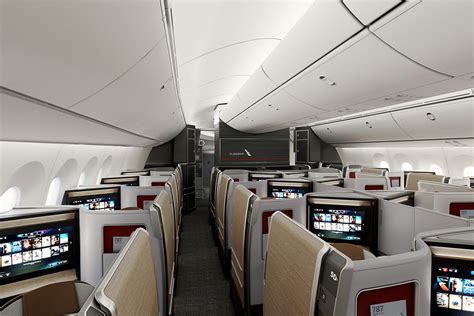
5. Traveling With Companions Can Make an Upgrade More Difficult
Traveling with a spouse, child, friend, or other companion can create another complication that many passengers never consider. A solo traveler and a passenger traveling with several companions may not face the same upgrade conditions, even when they have identical elite status.
The reason is that airlines frequently try to keep travelers on the same reservation together. If there is only one premium seat available but two people are traveling together, the airline may not clear the upgrade if its rules require enough seats for both passengers.
American Airlines, for example, explains that a status member traveling with a companion may need enough upgrade space for both passengers in certain circumstances. Delta similarly notes that passengers on a waitlist with multiple companions can require availability for the entire party before the upgrade clears.
This creates an unusual situation in which a solo traveler lower on the priority list can potentially receive an upgrade while a higher-priority traveler remains in economy because there are not enough premium seats for the entire party.
Splitting a reservation can sometimes change how an airline processes the passengers, but it can also affect companion benefits and upgrade eligibility. That makes it a decision that should be considered carefully rather than treated as a guaranteed upgrade trick.
The important point is that airline systems are not merely asking, “Who has the highest status?” They may also be asking, “How many passengers are attached to this request, and can the booking be accommodated according to the carrier’s rules?”
6. Fare Class Can Quietly Change Your Upgrade Chances
The final piece of the puzzle is fare class, a detail that many passengers notice only after an upgrade fails to clear. The fare class is not necessarily the same thing as the cabin printed in ordinary language on a ticket. Airlines use specific booking codes to control inventory, pricing, eligibility, and upgrade processing.
A passenger might therefore buy an economy ticket and assume that every economy passenger is competing in the same upgrade pool. That is often incorrect. Different economy fares can have different upgrade priority, while separate inventory buckets determine whether a premium seat can actually be used for an upgrade.
American Airlines provides a clear example of this system. Depending on the itinerary and product, certain upgrade requests require specific inventory such as C inventory for qualifying economy-to-business or first-class upgrades and A inventory for business-to-first upgrades. A business class seat being sold to a customer therefore does not automatically mean the corresponding upgrade inventory is open.
This explains another common mystery: why one passenger with elite status receives an upgrade while another passenger with the same status does not. The difference may come from the original fare, the required inventory bucket, the type of upgrade certificate or benefit being used, or the exact position established by the airline’s priority rules.
For passengers, the practical lesson is that the cheapest ticket is not always treated identically to a higher-priced ticket when upgrade eligibility is considered. The airline’s computer system sees booking codes and inventory categories that are invisible to most travelers.
Why Business Class Upgrades Feel Random When They Usually Aren’t
The entire business class upgrade process becomes easier to understand once passengers separate what they can see from what the airline’s systems can see. A seat map shows physical seating, not necessarily commercial inventory. A loyalty card shows status, but not the passenger’s complete position in an upgrade hierarchy. An airport agent represents the airline, but may not control the automated ranking.
What looks like a mysterious last-minute decision is often the result of several systems working together. Loyalty databases identify eligible passengers, reservation systems record fare classes and requests, revenue-management systems control premium inventory, and automated upgrade engines determine when passengers can be moved into higher cabins.
That also explains why upgrades can happen moments before departure. A business class customer may fail to show up, a paid upgrade may be declined, or revenue management may finally release an otherwise protected seat. Once that inventory becomes eligible, the system can immediately move to the next qualifying passenger.
For travelers hoping to improve their chances, understanding these mechanics is more useful than relying on old airport folklore. Elite status matters, fare class matters, upgrade inventory matters, and the number of passengers on the reservation can matter. A friendly conversation with a gate agent can certainly make an airport experience more pleasant, but it generally does not rewrite the airline’s upgrade hierarchy.
Ultimately, the empty seat at the front of the aircraft is not simply an empty seat. It is an asset controlled by a sophisticated commercial system, and the airline decides when that asset can be given away, sold, or assigned according to its established rules. Once that distinction is understood, the strange behavior of the upgrade list starts to make considerably more sense.