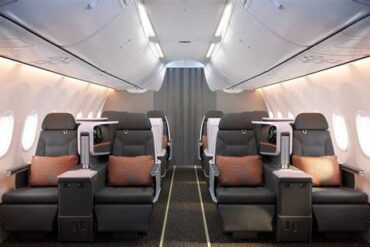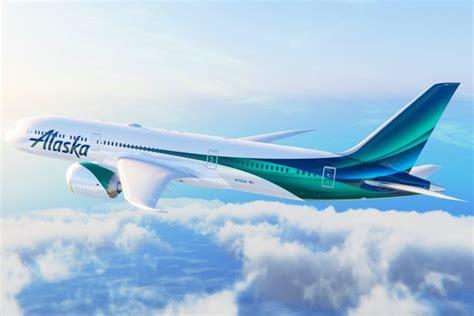
Alaska Airlines is making one of its biggest moves yet into premium long-haul and transcontinental travel, introducing Aurora Suites, a lie-flat business-class product for Boeing 787 Dreamliners and selected Boeing 737 MAX 10 aircraft. Announced September 29, 2026, the new cabin strategy combines private suites, a new premium-economy product called Premium Reserve, upgraded dining and expanded ground services as Alaska Airlines builds a more ambitious international operation from Seattle.
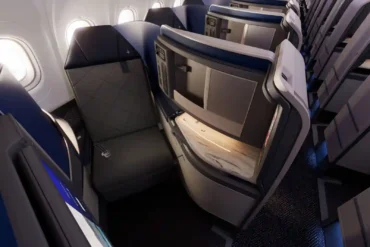
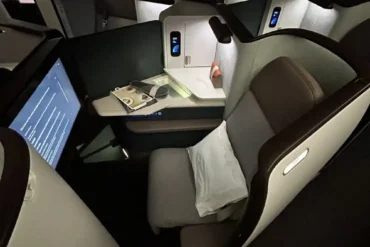
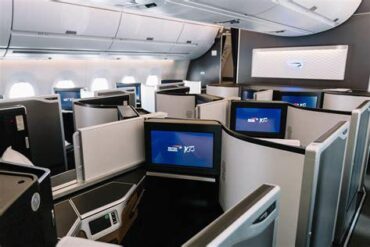
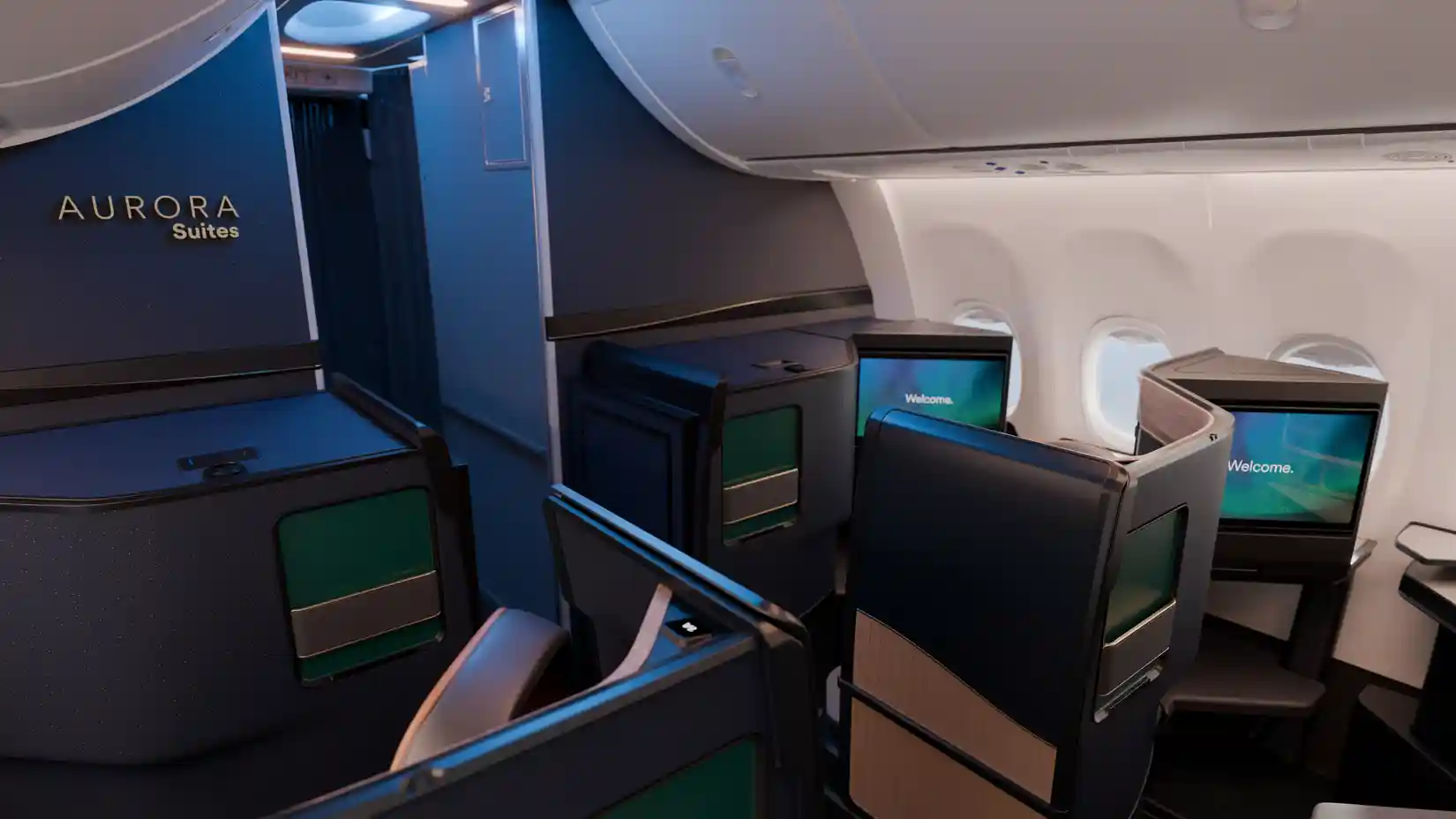
The centerpiece is Aurora, which is designed to make premium travel feel like a connected experience rather than simply an upgraded aircraft seat. On the Boeing 787, every aircraft will receive 34 lie-flat Aurora Suites, with direct aisle access, privacy doors, dedicated storage and 19-inch 4K entertainment displays. Passengers will also have wireless charging, USB-C and AC power, premium materials, chef-led dining and Starlink connectivity for eligible Atmos Rewards members, sponsored by T-Mobile.
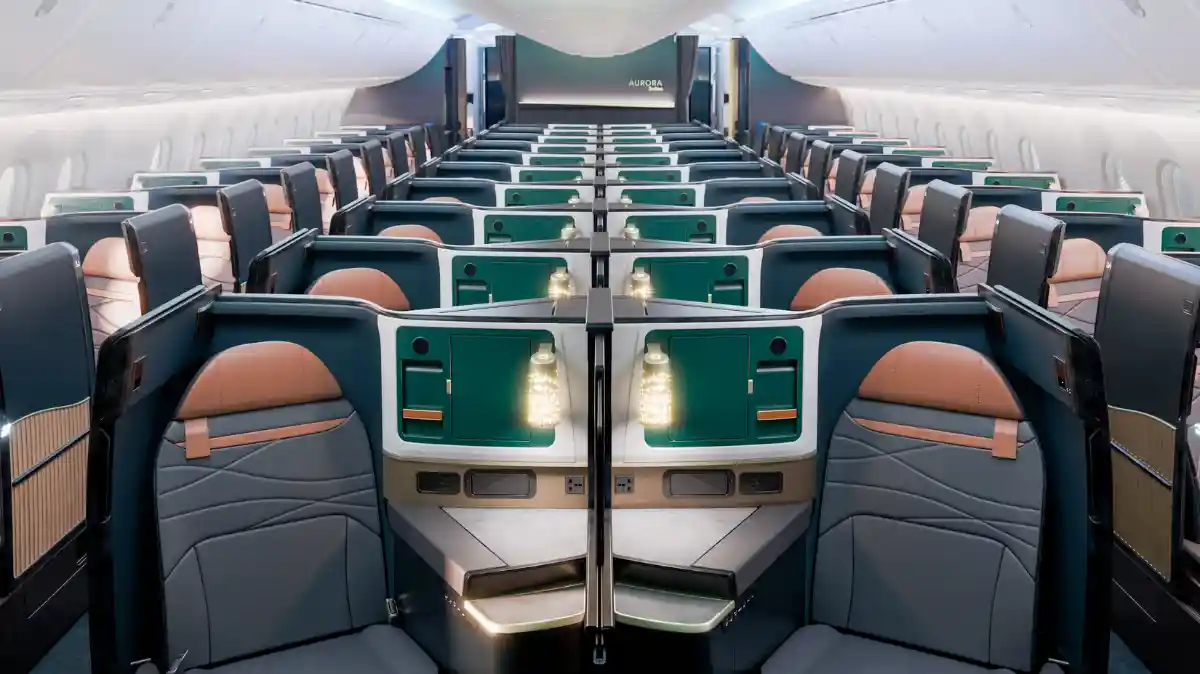
The airline is extending that premium identity beyond the cabin itself. Alaska plans dedicated Aurora check-in and concierge services, while a dedicated Aurora Lounge is planned for Seattle-Tacoma International Airport. Seattle is increasingly important to Alaska’s international strategy, with the carrier using the 787 to connect the Pacific Northwest with destinations in Europe and Asia.
Alaska Airlines 787-9 Premium Seating Reaches 46 Percent
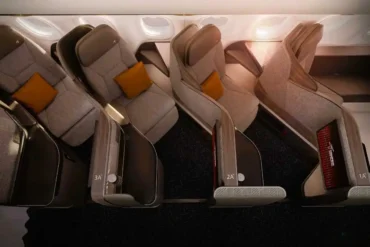
The 787 fleet will receive another major change through Premium Reserve, a new cabin positioned between Aurora and Alaska’s existing Premium Class. Each 787-9 and 787-10 is planned to receive 35 Premium Reserve seats. These seats will provide 38 inches of pitch, wider cushions, enhanced recline, leg and calf rests, 16-inch 4K OLED displays, multiple charging options and upgraded dining.
The result will be a much more premium-heavy Dreamliner. Once the redesigned 787-9 enters service, about 46% of its seats will be in premium cabins, compared with roughly 38% today. That is a substantial increase in premium capacity and signals that Alaska expects customers to pay for more than the economy-to-business upgrade path as its international network develops.
The strategy also fits the airline’s growing 787 fleet. Alaska currently operates five 787-9s, while additional firm orders are expected to bring the total fleet to 17 aircraft, with the newer aircraft intended to include 787-10s. Alaska has said the Dreamliners will support a long-haul network serving at least 12 international destinations from Seattle by 2030.
Aurora Suites Will Come To The 737 MAX 10
The most unusual part of the announcement is Alaska’s decision to put a true lie-flat premium cabin on selected Boeing 737 MAX 10 aircraft. Beginning in 2028, at least 25 of the narrowbodies will receive 12 Aurora Suites each, allowing the product to operate on selected transcontinental routes.
That arrangement gives Alaska a way to offer a business-class experience closer to its flagship widebody product on routes that do not require a 787. The 737-10s will also receive 12 Premium Reserve seats, followed by Premium Class and Main Cabin, creating a four-cabin configuration designed around different levels of service.
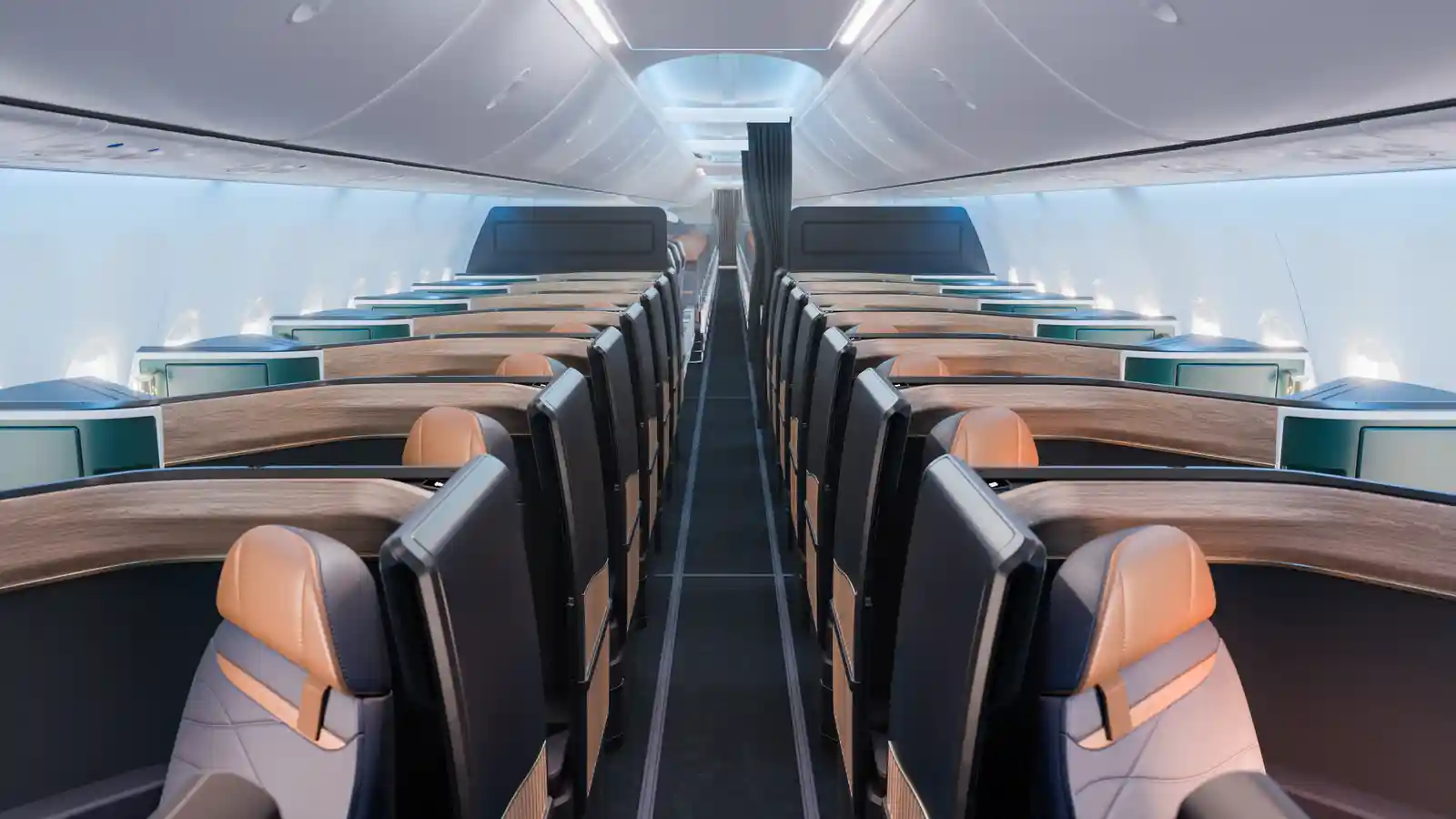
Alaska has 105 Boeing 737-10s on firm order, with options for another 35, giving it a future fleet that could support premium-focused domestic and transcontinental flying. The aircraft fitted with Aurora will also receive an Aurora-inspired exterior identity, linking them visually with Alaska’s premium strategy.
Alaska And Hawaiian Develop Distinct Premium Brands
Aurora is part of a broader Alaska Air Group effort to give Alaska Airlines and Hawaiian Airlines distinct premium identities following Alaska’s acquisition of Hawaiian. Alaska is developing Aurora, while Hawaiian is introducing Leihōkū, with both brands receiving upgraded cabins, lounges, dining and ground services.
The approach allows the two airlines to share investment in premium travel while retaining different brand personalities. For Alaska, Aurora is closely tied to Seattle and the carrier’s expanding international network. For Hawaiian, Leihōkū reflects a separate premium identity built around the Hawaiian brand and customer experience.
Alaska CEO Ben Minicucci has described the strategy as an effort to make premium travel extend from booking through the airport and onboard experience. In practical terms, the new products show that the airline is investing in seats, service, connectivity, food and airport facilities rather than treating premium seating as an isolated cabin upgrade.
A New Premium Strategy For Alaska’s International Growth
The significance of Aurora extends beyond the specifications of its seats. Alaska is positioning the 787 as the centerpiece of a growing global network from Seattle, already using the aircraft on services to destinations including London, Rome, Tokyo and Seoul. Increasing the proportion of premium seats gives the airline more capacity aimed at travelers who value privacy, space and enhanced service on long-distance flights.
The 737 MAX 10 element is equally important because it brings the strategy into transcontinental markets. If the 2028 rollout proceeds, passengers on selected narrowbody routes will have access to lie-flat suites without needing a widebody aircraft. Together, the 787 and 737-10 plans represent a shift toward premium-heavy cabins as Alaska expands its network and competes for premium travelers.