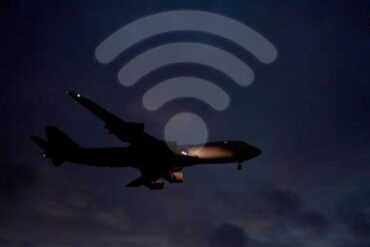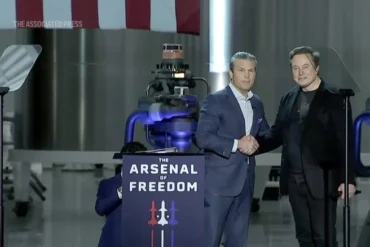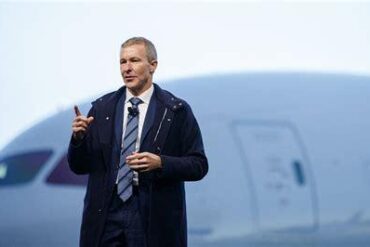
Delta Air Lines’ decision to choose Amazon Leo instead of SpaceX’s Starlink for its next-generation inflight Wi-Fi has taken an increasingly personal turn, after reports that CEO Ed Bastian told employees the airline rejected Starlink partly because it did not want to work with Elon Musk. Musk responded directly on X, warning that Bastian could lose his position over the decision.
The latest dispute adds another layer to a business decision that has already attracted considerable attention across the airline industry. Delta announced in March that it would select Amazon Leo, formerly known as Project Kuiper, for its future connectivity system, despite Starlink having already established a substantial presence across commercial airline fleets. The choice put Delta on a different path from major competitors including United Airlines and American Airlines.
According to aviation reports cited by Gary Leff of View from the Wing, Bastian reportedly told Delta employees that the airline had previously tested Starlink in 2022 but ultimately decided against becoming a customer because of Musk’s reputation. Bastian was reportedly quoted as saying, “we do not want to be with Elon Musk. Trust me.” He allegedly added that, based on Musk’s reputation, the things people say about him are true.
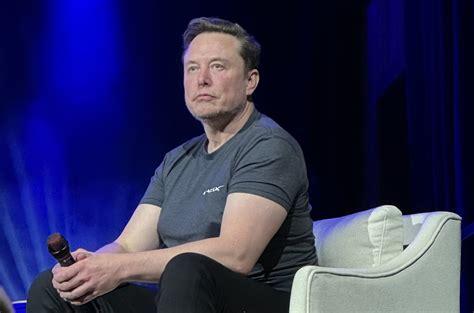
Musk did not ignore the reported comments. Responding to Leff’s post on X, the SpaceX CEO wrote that Bastian “will lose his job over this.” The unusually direct response immediately turned what had primarily been an airline technology and commercial strategy dispute into a much more public confrontation between the two executives.

Delta Chose Amazon Leo While United Expands Starlink
The timing is particularly significant because Starlink’s airline rollout has accelerated rapidly. United Airlines has already equipped more than 600 aircraft with Starlink and has been moving toward a fleetwide deployment. The carrier has said customer satisfaction with Wi-Fi on Starlink-equipped aircraft is more than twice that of other connected aircraft in its operation.
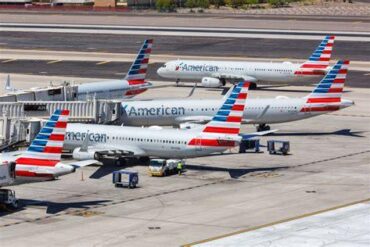
United’s ambitions contrast sharply with Delta’s timeline. Delta plans to begin installing Amazon Leo on an initial group of approximately 500 aircraft in 2028, meaning its first meaningful deployment is still some time away. American Airlines has separately announced plans to install Starlink on 500 narrowbody aircraft beginning in early 2027, while several other U.S. carriers have already begun offering the service.
Musk has repeatedly highlighted this gap. In another recent post concerning United’s growing Starlink fleet, he argued that Delta’s decision could cause the airline to “lose a lot of customers.” He has also mocked the connectivity implications of Delta waiting for Amazon Leo, including joking about whether an artificial-intelligence agent would be able to access the internet reliably on a Delta aircraft.
The broader numbers illustrate the different stages of development. Amazon had roughly 400 Leo satellites in orbit as of July, while Starlink had more than 10,000. More than 20 airlines globally have already introduced Starlink connectivity, with additional carriers signed up for future installations.
Why Delta Selected Amazon Leo Over Starlink
Delta’s decision was not presented by the airline simply as a rejection of SpaceX. The carrier has pointed to a broader technology relationship with Amazon, including its existing use of Amazon Web Services and potential integration with other Amazon products.
Delta has migrated nearly 600 applications to AWS since 2020, giving the airline an established relationship with Amazon’s cloud infrastructure. The carrier has also highlighted opportunities involving Prime Video, gaming technology and other consumer services that could eventually become part of its onboard digital ecosystem.
Price and technical performance were also cited as factors. Bastian has reportedly argued that Amazon’s offering could come at a “much lower price point” while potentially providing advantages in bandwidth and reliability. Those claims remain part of Delta’s rationale for choosing Leo rather than Starlink.
The disagreement over the passenger experience became another point of contention. During negotiations with SpaceX, Delta reportedly wanted passengers to access Starlink through its Delta Sync portal, maintaining a controlled connection between onboard connectivity and its existing digital platform.
Musk objected to that approach, arguing that Starlink did not require an additional portal. He accused Delta of making connectivity “painful, difficult and expensive” for passengers. Delta subsequently disputed that characterization and maintained that integration with Delta Sync could have been possible under Starlink’s terms.
A High-Profile Battle Over Airline Wi-Fi
The conflict ultimately reflects a much larger competition over the future of inflight connectivity. For airlines, onboard Wi-Fi is increasingly becoming part of the passenger experience rather than a premium extra, while reliable high-speed internet can support streaming, messaging, productivity and increasingly sophisticated digital services.
For Starlink, airline partnerships provide a highly visible demonstration of the satellite network’s capabilities. For Amazon, Leo represents an opportunity to build a competing satellite communications business while leveraging the company’s enormous cloud and consumer ecosystem.
Delta’s choice therefore carries significance beyond one airline’s Wi-Fi contract. Its decision places the carrier on a different deployment schedule from competitors that have already committed to Starlink, while Amazon works to expand Leo’s satellite network and move from development toward large-scale commercial service.
For now, the most striking element is Musk’s personal response. His warning about Bastian’s job goes considerably beyond the technical arguments surrounding satellite connectivity, turning an already closely watched airline technology decision into a very public dispute between two prominent business leaders.