The ongoing U.S. government shutdown has reached a critical breaking point, exposing vulnerabilities in national infrastructure and placing extraordinary strain on frontline workers. At the center of this unfolding crisis stands Elon Musk, who ignited global attention after հայտարարing he would personally cover the salaries of thousands of unpaid Transportation Security Administration officers. His unexpected intervention arrives as airport wait times spiral and operational stability begins to falter across major travel hubs.
The shutdown, now stretching into its fifth week, stems from a funding impasse involving the Department of Homeland Security, the parent agency overseeing TSA operations. With lawmakers unable to secure a budget agreement, over 50,000 TSA officers remain on duty without pay. The financial strain has triggered widespread absenteeism, as workers call in sick or leave their posts entirely in search of income, creating a ripple effect felt by millions of travelers nationwide.
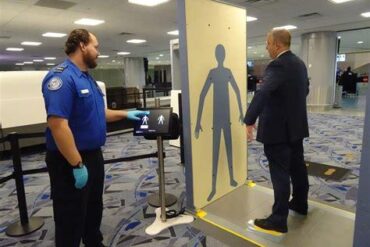
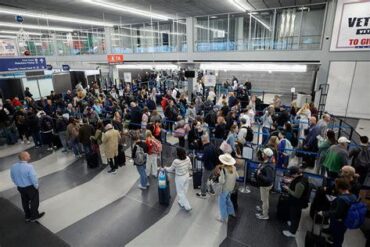
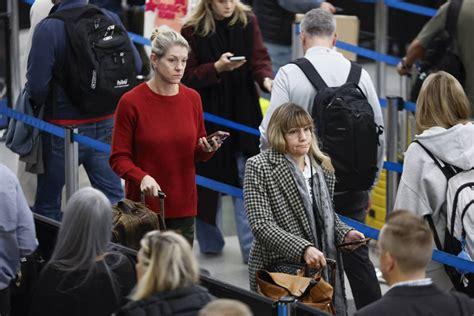
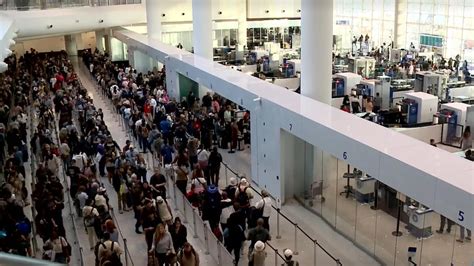
Airports once defined by efficiency are now scenes of mounting frustration. Security lines stretch beyond terminals, sometimes spilling onto sidewalks, while understaffed checkpoints struggle to maintain order. Reports of verbal confrontations and escalating tensions between passengers and staff are increasing, highlighting the human toll of the crisis.
Musk’s Bold Offer Raises Questions and Eyebrows
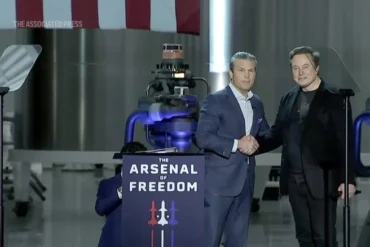
Musk’s proposal to fund TSA salaries, while dramatic, is shrouded in ambiguity. No formal framework has been outlined, and neither government agencies nor Musk’s representatives have clarified how such payments would be administered. Still, the gesture has sparked widespread debate, with some praising it as a decisive act of leadership and others dismissing it as a calculated publicity move.
The scale of the commitment is staggering. With the average TSA salary hovering around $61,000 annually, covering even a fraction of the workforce would require hundreds of millions of dollars. Yet Musk, known for his unconventional interventions across industries, has once again positioned himself at the center of a national conversation.
Public reaction remains sharply divided. Supporters argue that the move underscores the failures of political leadership, while critics question the precedent of private individuals stepping in to fund federal operations. The situation blurs the line between innovation and governance, raising deeper concerns about institutional resilience.
Five Weeks Without Pay Pushes TSA Workforce to the Brink
For TSA officers, the crisis is no longer theoretical—it is deeply personal. This marks the second shutdown in six months affecting their pay, and patience is rapidly eroding. Reports indicate that hundreds of officers have already resigned, unwilling or unable to continue working without compensation.
The psychological toll is equally significant. Workers face mounting financial obligations, from rent to healthcare, with no certainty about when back pay might arrive. Morale has plummeted, and operational reliability has suffered as a result. Unlike previous shutdowns that impacted multiple aviation roles, this disruption has disproportionately targeted TSA personnel, intensifying the burden on a single segment of the workforce.
The Senate continues negotiations, with leaders suggesting progress has been made in narrowing disputes. However, no final agreement has been reached, leaving thousands in limbo. The possibility of the shutdown approaching historic length looms large, further amplifying uncertainty.
Airport Delays Surge as Staffing Levels Collapse
The most visible consequence of the crisis is unfolding at America’s busiest airports. Cities like Atlanta, Houston, Los Angeles, Phoenix, and Philadelphia are experiencing unprecedented congestion, with wait times exceeding two hours in some cases. Security lanes are being closed due to insufficient staffing, forcing remaining officers to manage overwhelming passenger volumes.
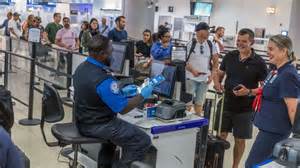
Airlines and airport authorities are sounding the alarm, warning that delays could worsen if the shutdown persists. The aviation ecosystem, finely tuned for efficiency, is highly sensitive to disruptions in security operations. Even minor staffing shortages can cascade into widespread delays, missed flights, and logistical breakdowns.
Passengers, caught in the crossfire, are adjusting travel plans, arriving hours earlier than usual, and bracing for uncertainty. The experience of air travel—once streamlined through technological advancements and optimized processes—has regressed under the weight of political gridlock.
A Defining Moment for Public Trust and Private Power
Musk’s intervention, whether symbolic or actionable, underscores a deeper narrative: the growing intersection of private influence and public responsibility. His willingness to step into a federal funding crisis highlights both the agility of private capital and the fragility of public systems during prolonged disputes.
Yet the implications extend beyond immediate relief. If accepted, such an offer could redefine expectations around crisis management, raising questions about accountability, governance, and the role of billionaires in public affairs. It also places pressure on lawmakers to resolve the impasse, as public scrutiny intensifies.
For now, the situation remains unresolved. TSA officers continue to report for duty without pay, passengers endure lengthy delays, and the nation watches as an unprecedented scenario unfolds. Whether Musk’s proposal materializes or fades into rhetoric, it has already reshaped the conversation—turning a bureaucratic stalemate into a global headline and a test of institutional endurance.