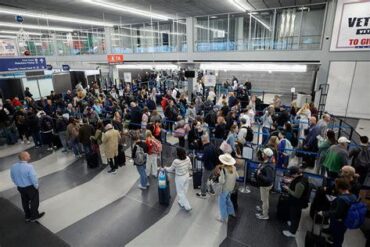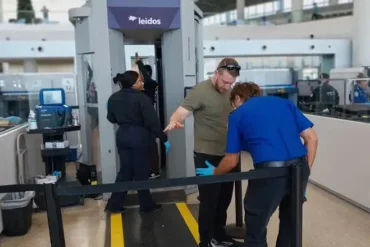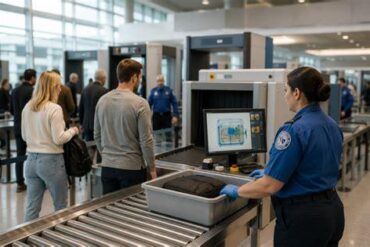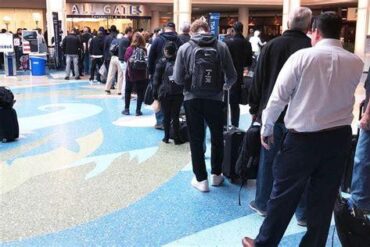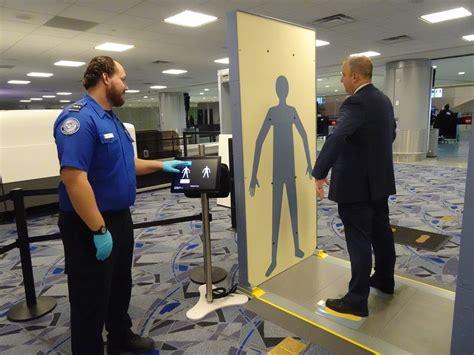
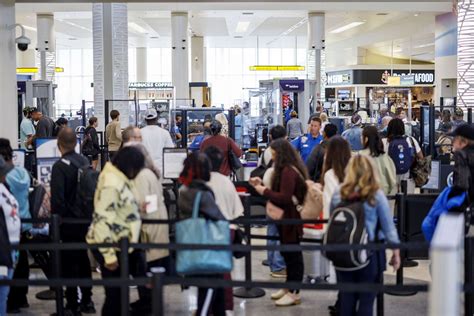
The longest government shutdown in United States history delivered a resounding shockwave across the nation’s infrastructure, crippling air travel and exposing deep systemic vulnerabilities. At the heart of this crisis, Transportation Security Administration (TSA) checkpoints buckled, with unpaid officers calling out en masse, and frustrated travelers enduring hours-long security lines. Yet amid this chaos, a few airports maintained operational calm, most notably San Francisco International Airport (SFO), where security lanes operated smoothly as if insulated from the political storm.
The Government Froze, But Some Airports Didn’t
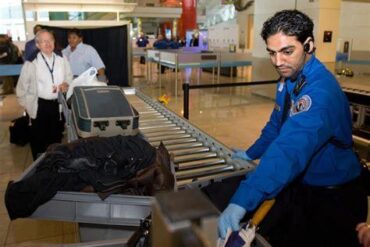
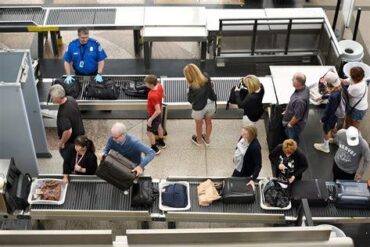
When Congress failed to pass appropriations, most federal employees, including TSA officers, were categorized as essential but unpaid. Forced to work without compensation, morale eroded rapidly, and absenteeism soared. Airports from coast to coast reported massive slowdowns, some pushing the limits of their infrastructure as overburdened staff struggled to maintain throughput. At SFO, however, passengers breezed through security checkpoints with little sign of disruption.
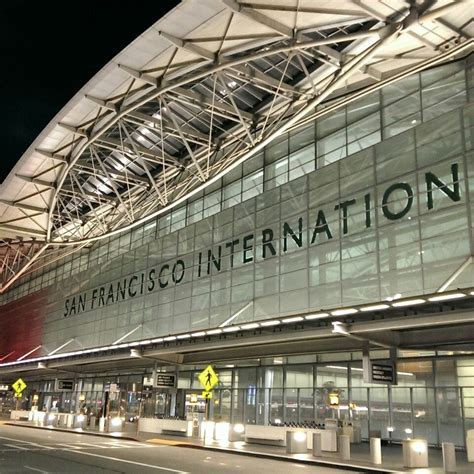
This stability was not a fluke. It was rooted in the Screening Partnership Program (SPP) — a post-9/11 initiative allowing airports to contract private security firms while the TSA retained oversight. SFO had long since enrolled in this program and contracted Covenant Aviation Security, a private company responsible for recruiting, training, and paying security screeners. When the federal government ground to a halt, Covenant’s operations continued uninterrupted. Paychecks arrived on time. Staff showed up. Security lines kept moving.
How the Screening Partnership Program Created Operational Resilience
The Screening Partnership Program was designed as a hybrid model to blend federal regulatory control with private sector execution. It permits approved airports to select TSA-certified contractors for screening operations, while TSA retains authority over standard operating procedures, compliance, and enforcement. The traveler experience remains largely unchanged — same rules, same detectors, same protocols — but the workforce behind the process operates under a different employer.
In normal times, this distinction is invisible. During a funding crisis, it becomes defining. As federal pay ceased, private contractors like Covenant continued functioning, their operations funded through pre-existing contracts overseen but not directly budgeted by the TSA. The result was uninterrupted, professional screening services, even as surrounding airports fell into logistical paralysis.
San Francisco’s Unique Advantage: Covenant Aviation Security
SFO’s alliance with Covenant Aviation Security, initiated in 2002, proved a critical bulwark against federal dysfunction. Covenant, the largest private provider of SPP services in the nation, specializes in aviation security, delivering millions of hours of frontline service annually. The firm’s ability to independently manage payroll, staffing, and scheduling granted SFO a powerful tool during the shutdown.
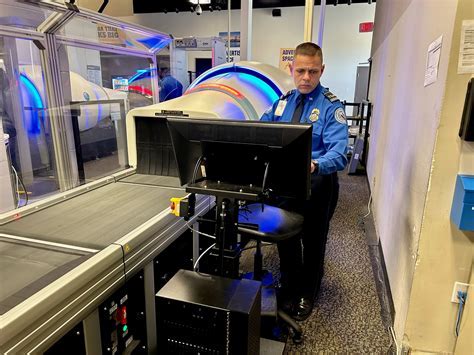
With direct control over human resources, Covenant could optimize staffing during passenger surges without waiting for federal approvals or working through backlogged bureaucracies. Competitive compensation and advancement pathways helped retain experienced screeners, further ensuring consistency and professionalism across checkpoint lanes. This contrast became a national talking point: federal TSA workers elsewhere skipped shifts, while SFO’s lanes glided forward, anchored by their privately employed counterparts.
When Paychecks Stop, Stability Follows the Money
For federal TSA agents, the shutdown translated into weeks without income — a strain few could shoulder indefinitely. With no end in sight, many called in sick or sought alternate employment, a trend that rapidly weakened checkpoint capacity across major hubs. But SFO’s screeners, insulated from this financial fallout, had no such dilemma. Their wages and benefits remained intact, untouched by congressional gridlock.
This predictable continuity made all the difference. When travelers arrived at SFO, they encountered an airport functioning normally — a stark contrast to the turmoil at fully federalized airports. The experience highlighted a harsh reality: security lines move when workers are paid, and falter when they’re not.
Airlines Feel the Ripple Effects of Uneven Staffing
Airlines operating out of federally staffed airports found themselves entangled in scheduling nightmares. Long lines delayed passengers, bags missed connections, and crews bumped up against legal shift limits. It was a cascade of small failures, all stemming from gaps in federal labor stability.
At SFO, however, operations maintained rhythm. This consistency made the airport an attractive node for airlines managing tight transfer windows or premium passenger flows. It also subtly shaped hub strategy, as carriers began considering the resiliency of airport staffing when making broader operational decisions.
If shutdowns become a recurring feature of federal politics, airlines may begin lobbying for privatized security arrangements, or at minimum, push for greater predictability in federal contingency planning. With money, efficiency, and customer satisfaction all on the line, it’s a conversation that can’t be ignored.
Should More Airports Join the Screening Partnership Program?
The success of SFO and other SPP-participating airports has reignited a critical debate. Proponents argue that SPP acts as a strategic fail-safe, shielding essential airport operations from political instability. By decoupling screeners’ pay from federal appropriations, the system protects the passenger experience without relinquishing TSA oversight.
Some analysts have proposed redirecting the September 11 security fee toward a localized funding model, empowering airports to fund private contractors directly. This could grant airports financial independence while maintaining federal quality control. But there are hurdles. The TSA has restricted new applications to the program, wary of creating fragmented standards or diminishing federal authority. Critics argue that privatization could erode accountability or trigger cost-cutting pressures that undermine safety.
Nonetheless, the shutdown painted a vivid picture: federal-only staffing leaves airports vulnerable. In an era of increasingly unstable politics, operational resiliency demands structural foresight. For some airports, the SPP offers just that — a lifeline when Washington stalls.