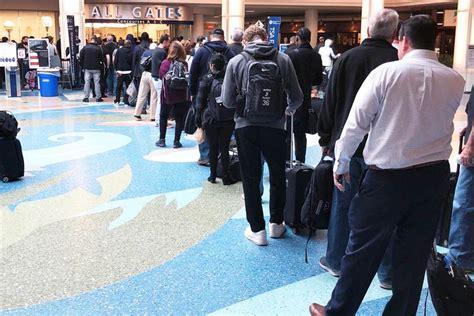
The busiest travel days of the year are not just statistical anomalies—they are powerful indicators of consumer behavior, seasonal migration, and the operational strain placed on national transportation infrastructure. Every year, the Transportation Security Administration (TSA) publishes data that offers granular insights into these travel surges, with patterns that consistently repeat around national holidays and major calendar events. Understanding these peaks is essential for travelers aiming to minimize delays, avoid stress, and optimize their itineraries.
The most congested days are typically bookended by U.S. holidays, where millions of Americans are either returning home or setting out to join family, friends, or leisure destinations. Among all such events, Thanksgiving reigns supreme, followed closely by Christmas, Independence Day, Memorial Day, and Labor Day.
July 7, 2024: The Busiest Travel Day in TSA History
According to official TSA records, July 7, 2024 marked the busiest air travel day in U.S. history, with an unprecedented 3,301,622 travelers passing through TSA security checkpoints. This date, falling just after the Fourth of July weekend, underscores the pent-up travel demand in the summer season, further fueled by post-pandemic mobility and flexible remote work policies.
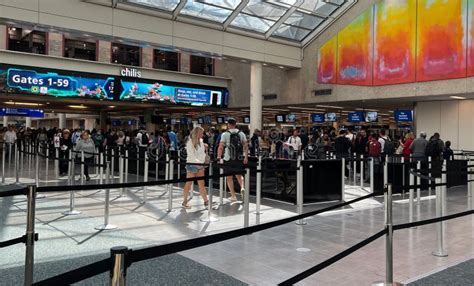
This record broke previous benchmarks by a significant margin, revealing a trend of monthly increases in passenger volume. In contrast, 2023 only saw three days surpassing the 2.8 million mark. In 2024, by mid-October, that figure had already been shattered 38 times, with multiple dates nearing or exceeding 2.9 million.
Thanksgiving Travel: The Annual Benchmark of Congestion
When it comes to consistent year-over-year congestion, Thanksgiving remains the most predictably chaotic period. Specifically, the Tuesday and Wednesday before Thanksgiving and the Sunday after are historically the most congested travel days of the year. This pattern, corroborated by TSA reports and airport authorities, results from a compressed holiday schedule where millions travel within a narrow timeframe.
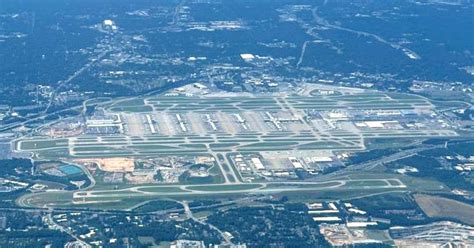
On November 26, 2023, for instance, TSA screened 2,908,785 passengers, placing the date among the top 15 busiest days over a 12-month window. These pre-holiday and post-holiday days consistently test airport capacity, staffing, and airline logistics.
Christmas and New Year’s: Extended but Volatile Travel Windows
Unlike Thanksgiving’s compact rush, the Christmas and New Year’s holidays span nearly two weeks, allowing for a more spread-out surge. However, weather unpredictability, winter storms, and holiday staffing constraints often cause mass delays and cancellations, amplifying the travel stress during this season.
The importance of weather monitoring and contingency planning becomes paramount during this window. Travelers are urged to monitor outlets like the National Weather Service, The Weather Channel, and AccuWeather for accurate forecasts and to arrive early to mitigate risks of missed flights.
Summer Travel Peaks: Vacation and Heat Collide
Apart from specific holidays, mid-summer travel experiences some of the highest passenger volumes due to family vacations, school breaks, and favorable weather. July 2024 alone accounted for seven of the top fifteen busiest travel days, including:
- July 18: 2,957,170 passengers
- July 14: 2,937,845 passengers
- July 25: 2,924,478 passengers
- July 28: 2,922,306 passengers
- July 27: 2,921,490 passengers
- July 21: 2,908,201 passengers
These days reflect not just the allure of summer travel, but also a shift in the public’s travel timing preferences, where extended weekends and school calendars heavily influence air traffic volumes.
Memorial Day, Labor Day, and Other Holiday Spikes
May 24, 2024—the Friday before Memorial Day—saw 2,951,859 passengers, while August 30, leading into Labor Day weekend, registered 2,909,901 travelers. These travel booms confirm the significant impact of three-day weekends on nationwide mobility, especially as they provide a final chance for summer vacations or family reunions before the school year resumes.
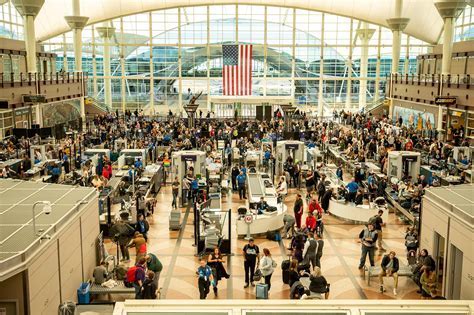
Proactive Measures for Navigating High-Traffic Travel Periods
To effectively manage the overwhelming congestion during these high-volume days, travelers are increasingly turning to expedited screening services and tech-enabled planning tools.
TSA PreCheck, Clear, and Global Entry
The value of expedited security clearance programs has never been more evident. TSA PreCheck, now costing only $78 for a five-year membership, allows travelers to bypass standard lines with minimal hassle. Clear, though more expensive at $199 per year, uses biometric verification to fast-track identity confirmation. For international travelers, Global Entry offers comprehensive benefits, including TSA PreCheck and customs clearance, for $120.
Certain credit cards—such as the Capital One Venture X and Delta SkyMiles Reserve American Express—offer full reimbursements for these programs, turning them into financially viable options for frequent travelers.
Bookable Fast-Pass Lanes at Select Airports
Several major U.S. airports now offer advance reservations for fast-pass security lanes. These programs, often free, allow passengers without PreCheck or Clear to access priority lines by booking a time slot online—an invaluable tool during holiday rushes.
Carry-On-Only Strategy
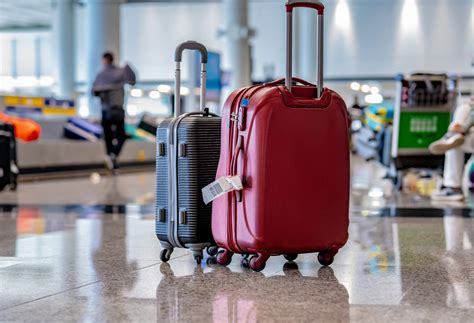
Choosing to travel with a carry-on bag eliminates the risks of delayed or lost luggage, especially during high-traffic periods when baggage handling staff are often overstretched. Services like luggage shipping are also gaining popularity, particularly among luxury travelers seeking seamless door-to-door solutions.
Security Rules and Bag Inspections
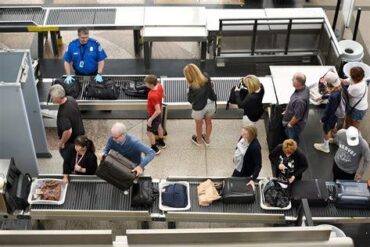
Travelers should re-familiarize themselves with TSA’s rules for liquids and prohibited items. Holiday travelers carrying food gifts must remember that items like gravy, cranberry sauce, or wine are considered liquids and must be checked—not carried on. In 2022, TSA found a live cat hidden inside a carry-on—underscoring the importance of inspecting bags thoroughly before departure.
Weather and Refund Rights: Know Before You Go
Flight delays due to weather disruptions can be frequent during both summer storms and winter blizzards. Knowing your rights as a passenger can significantly ease the process when plans go awry.
In October 2024, the U.S. Department of Transportation implemented strict regulations requiring automatic refunds for canceled or significantly delayed flights. Highlights of the new rule include:
- Refunds for domestic flights delayed by 3+ hours or international flights by 6+ hours
- Automatic refund issuance without requiring a request
- Refunds issued within 7 business days (credit card) or 20 calendar days (other payments)
- Full refunds including taxes and fees in the original form of payment
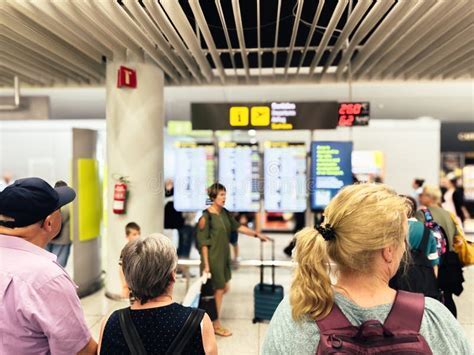
Travelers are also eligible for refunds for services paid but not delivered, such as Wi-Fi, in-flight entertainment, or seat upgrades, and for baggage delays exceeding 12 hours (domestic) or 15–30 hours (international).
Conclusion: Strategy is Survival During Peak Travel Days
The upward trajectory in TSA checkpoint volumes is more than a mere consequence of population growth. It reflects a complex interplay of economic recovery, seasonal trends, and evolving traveler expectations. Understanding which dates see the highest passenger volumes, and preparing accordingly with smart tools, strategic packing, and knowledge of passenger rights, empowers travelers to transform a potentially stressful journey into a seamless one.
With Thanksgiving and summer weekends standing out as the prime congestion culprits, only those who plan thoroughly and adopt a data-informed travel strategy will navigate these crowded skies with confidence and composure.