The year 2025 has officially become a landmark period for American aviation, establishing itself as the busiest year for US air travel in more than 15 years. The Federal Aviation Administration (FAA) reported managing an unprecedented 17.2 million flights throughout the year, marking a significant milestone in the industry’s recovery and growth trajectory. This remarkable achievement occurred despite substantial operational challenges, including repeated disruptions to the nation’s air traffic control system and the complications arising from a lengthy 43-day government shutdown that tested the resilience of the entire aviation infrastructure.
The magnitude of this accomplishment becomes even more impressive when considering the operational complexities that aviation professionals navigated throughout 2025. Air traffic controllers, airline crews, and support staff demonstrated exceptional dedication in maintaining safety standards while handling record-breaking flight volumes. The 17.2 million flights represent not just numbers on a spreadsheet, but millions of passengers who reached their destinations safely, connecting families, enabling business operations, and supporting the broader economic ecosystem that depends on reliable air transportation.
This historic achievement reflects the aviation industry’s remarkable resilience and the American economy’s robust demand for air travel services. The record-breaking year demonstrates how thoroughly the sector has rebounded from previous challenges, establishing new benchmarks that will likely influence industry planning and infrastructure development for years to come.
Record-Breaking Recovery Surpasses Pre-Pandemic Levels
The 2025 flight activity represents a triumphant recovery story that extends far beyond simple numerical comparisons. The 17.2 million flights handled by the FAA system represents approximately 200,000 more flights than in 2019, a year that had previously held the distinction of setting record numbers for US air travel. This comparison underscores the dramatic transformation the aviation industry has undergone, not merely returning to pre-pandemic operational levels but establishing entirely new performance standards.
The journey to this historic achievement reveals a compelling narrative of gradual but consistent growth. The aviation industry’s lowest point occurred in 2020, when the FAA recorded just seven million flights, representing a staggering ten million flight reduction compared to 2019 levels. This dramatic decline reflected the unprecedented global disruption caused by the COVID-19 pandemic, which fundamentally altered travel patterns and forced the industry to reimagine its operational approaches.
The subsequent recovery trajectory demonstrates the sector’s methodical rebuilding process. Flight activity began its upward climb in 2021, when the FAA recorded 14.4 million flights, followed by 15.8 million in 2022. The momentum continued building with 16.4 million flights in 2023 and 16.9 million in 2024, each year bringing the industry closer to and eventually surpassing historical benchmarks. The FAA celebrated this achievement through social media, stating: “2025 was the busiest year for air travel in more than 15 years! The FAA managed 17.2M flights last year. Thanks to our dedicated aviation professionals who put safety first, every flight, every day — helping millions of passengers reach their destinations safely.”
American Airlines Dominates Global Flight Operations
The competitive landscape of 2025 revealed American Airlines as the undisputed leader in global flight operations, establishing the Dallas/Fort Worth-based carrier as the world’s busiest airline. According to comprehensive data from OAG, American Airlines operated an impressive 2.3 million flights during the year, securing its position not only as America’s most active carrier but also as the global industry leader in flight frequency.
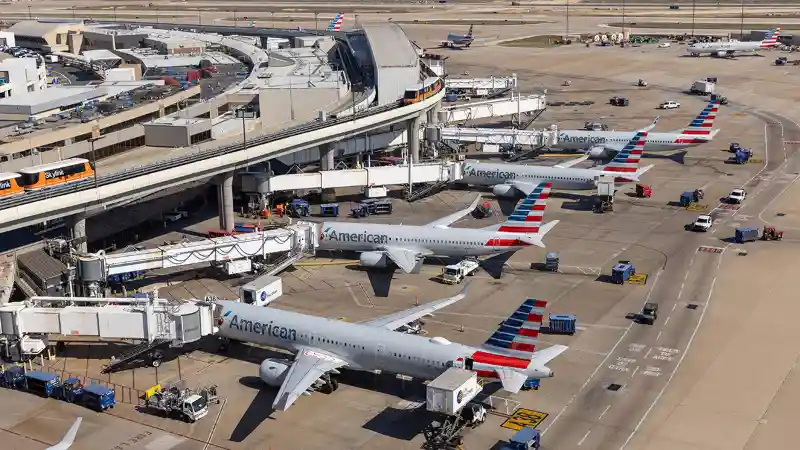
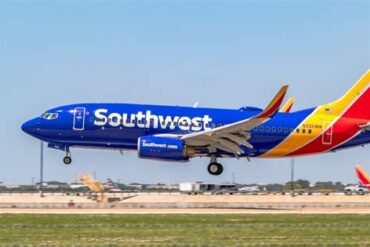
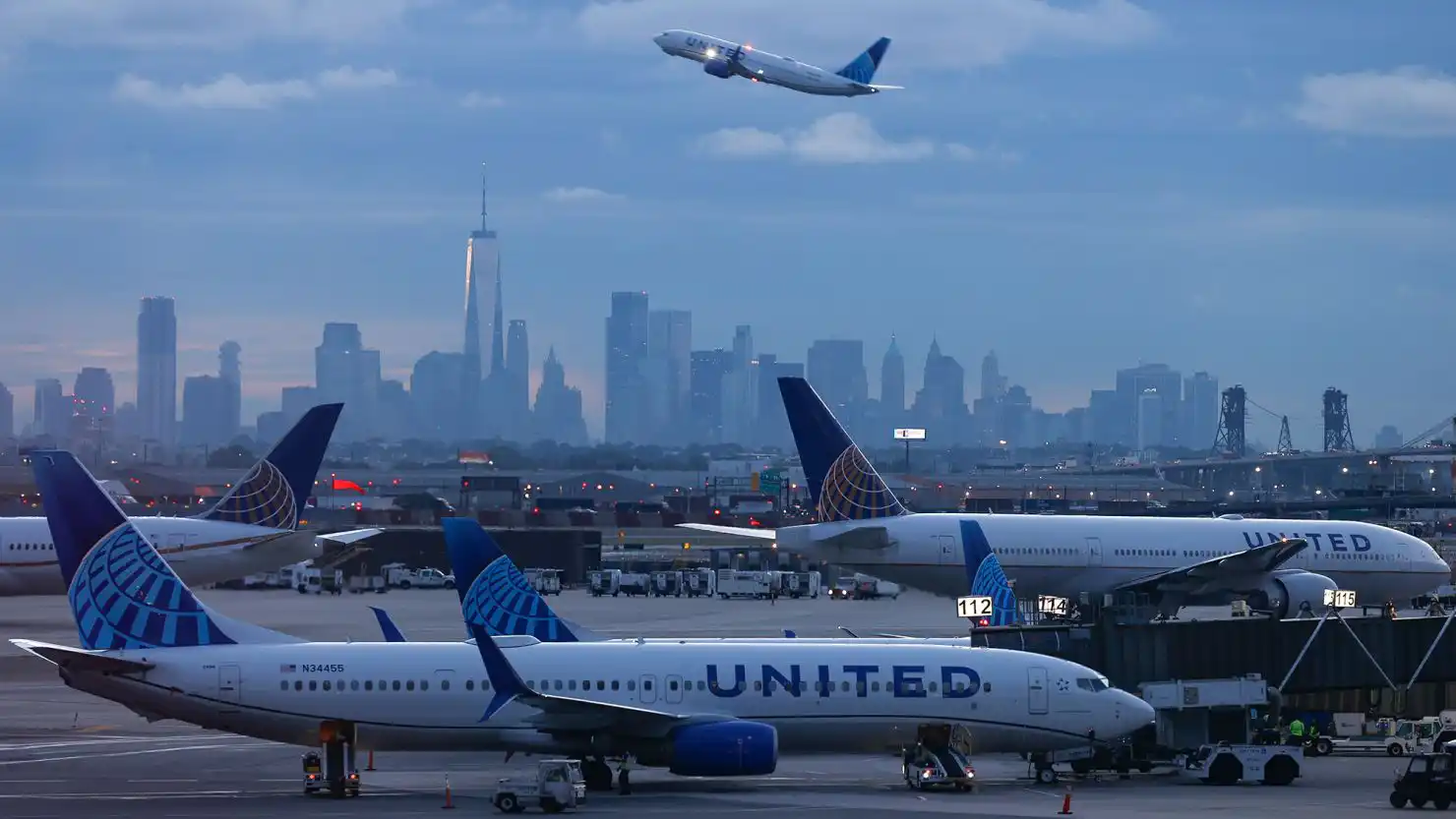
The dominance of American carriers in global rankings became particularly evident when examining the complete competitive picture. Delta Air Lines secured the second position with 1.8 million flights, while United Airlines closely followed with 1.7 million flights over the same period. Southwest Airlines contributed significantly to American aviation leadership with 1.4 million flights, demonstrating the strength and depth of the US airline industry.
Remarkably, four of the top five airlines by flight frequency were US-based carriers, with only Ryanair breaking into this exclusive group as the fifth-ranked carrier with 1.1 million flights. This American dominance in global flight operations reflects not only the size of the domestic market but also the extensive international networks that US carriers have developed and maintained.
The leadership extended beyond simple flight counts to encompass broader capacity metrics. American Airlines also led globally in seat capacity during 2025, offering a total of 279.6 million seats to passengers worldwide. Delta Air Lines maintained its strong second-place position with 246.9 million seats, while Southwest Airlines and United Airlines operated 229.2 million and 225.5 million seats respectively, according to OAG analysis.
Peak Travel Patterns and Industry Trends
The analysis of 2025 travel patterns revealed fascinating insights into global aviation rhythms and passenger behavior. August 1, 2025, a Friday, emerged as the world’s busiest day for air travel, with global airline seat capacity reaching an extraordinary 19,833,642 seats. This single-day record surpassed 2024’s peak day by more than 555,000 seats, demonstrating the continued growth in travel demand and airline capacity deployment.

The consistency of Friday as the peak travel day represents a remarkable pattern that has persisted since 2009, reflecting deeply ingrained travel behaviors and business practices. This weekly rhythm indicates how business travel, leisure trips, and connecting flights align to create predictable demand surges that airlines and airports must accommodate through careful capacity planning and operational coordination.
The seasonal concentration of peak travel days in July and August aligns perfectly with traditional vacation patterns, school holidays, and optimal weather conditions across major travel destinations. However, the pandemic years of 2020 and 2021 provided stark exceptions to these established patterns. In 2020, capacity peaked on January 3, representing the last Friday before COVID-19 news began spreading globally and fundamentally altering travel behaviors.
The contrast between peak and low-demand periods also illustrates the aviation industry’s operational flexibility. The lowest daily global airline capacity recorded in 2025 occurred on January 28, a Tuesday, with 15,200,778 seats scheduled, demonstrating the significant capacity variations that airlines manage throughout the year while maintaining operational efficiency and service quality standards.