United Airlines passengers expecting a routine evening arrival in New Jersey instead found themselves stranded in Washington, D.C., until morning after a pilot reached the maximum federally permitted duty time just one minute before departure. The incident, involving United Airlines Flight 404, has reignited debate about airline disruption management, pilot fatigue regulations, and the rigid safety framework that governs commercial aviation in the United States.
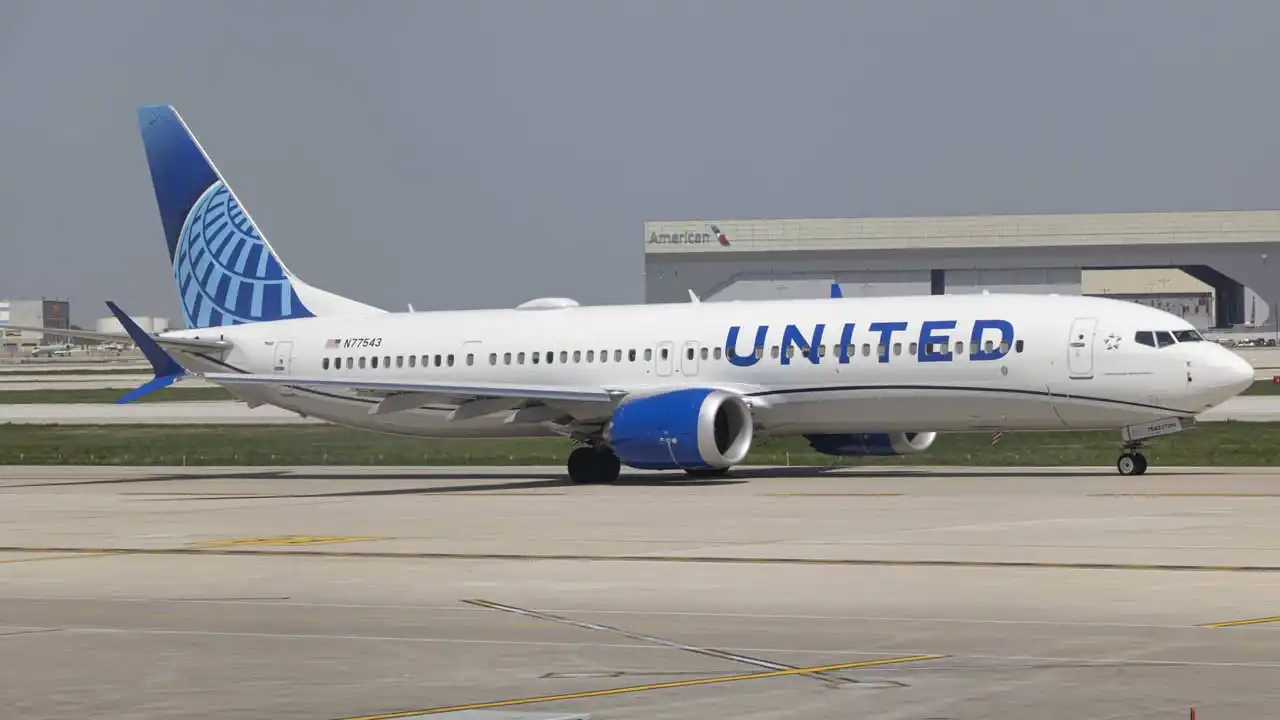
Flight 404 departed Houston George Bush Intercontinental Airport on the evening of June 14, operating a scheduled service to Newark Liberty International Airport aboard a Boeing 737 MAX 9. What should have been a relatively short domestic journey quickly turned into an overnight ordeal after severe weather conditions disrupted operations around the New York metropolitan area.
Storm Diversion Turns Routine Flight Into Overnight Travel Nightmare
The aircraft departed Houston at approximately 6:17 PM and initially proceeded normally toward Newark. However, thunderstorms affecting the region forced the flight to divert to Washington Dulles International Airport, where passengers and crew hoped to wait for conditions to improve before continuing the final leg of the journey.
As the hours passed, weather-related congestion continued to impact Newark operations. The aircraft remained on the ground at Dulles while airline personnel evaluated potential departure opportunities. Passengers anticipated an eventual late-night departure once conditions improved, but a far more complicated problem was developing behind the scenes.
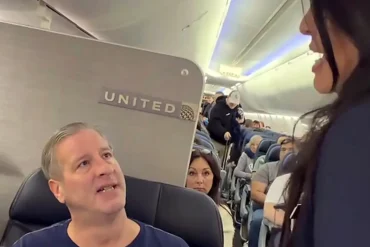
By roughly 3:00 AM, the aircraft appeared ready to continue its journey. However, just before departure, the operating pilot reached the federally mandated maximum flight duty period. According to passenger reports, the pilot timed out by a single minute, triggering a legal requirement that prevented the flight from departing.
The aircraft was forced to return to the gate despite being prepared for departure, creating an immediate and significant delay for everyone onboard.
High-Profile Sports Commentators Caught in the Disruption
Among the passengers were several prominent football broadcasters traveling between major international matches connected to ongoing World Cup coverage preparations.
Former United States national team star and FOX Sports analyst Landon Donovan was onboard the aircraft, along with renowned British football commentator Ian Darke. Both were traveling to New Jersey for upcoming broadcast commitments after covering international football fixtures in North America.
The disruption quickly became public as both commentators documented the experience on social media. Their posts drew widespread attention and highlighted passenger frustrations regarding the handling of the overnight delay.
Darke expressed disappointment with the airline’s response, suggesting travelers would reconsider future bookings. Donovan was even more critical, describing the experience as the worst travel disruption he had encountered despite decades of extensive professional travel.
The public criticism intensified when Donovan challenged United Airlines to provide transparency, accountability, and reimbursement for passengers impacted by the overnight delay and related expenses.
Why One Minute Matters Under FAA Regulations
To many travelers, the idea that a flight could be canceled over a single minute appears excessive. Yet within commercial aviation, pilot duty limitations are among the most strictly enforced safety regulations in existence.
The Federal Aviation Administration’s fatigue-management framework, established under 14 CFR Part 117, sets precise limits on how long airline pilots may remain on duty before operating an aircraft. These regulations are not recommendations or guidelines. They are legally enforceable requirements designed to reduce fatigue-related risks.
The rule exists because aviation history has repeatedly demonstrated the dangers of exhausted flight crews. Investigations into accidents and serious incidents around the world have consistently identified fatigue as a contributing factor in degraded decision-making, slower reaction times, and reduced situational awareness.
Consequently, there is no grace period once a pilot reaches the maximum allowable duty time. A pilot who exceeds the limit by one minute is treated the same as one who exceeds it by an hour.
Safety Rules Override Operational Convenience
From a passenger perspective, the circumstances appeared especially frustrating. The aircraft was fueled, boarded, and positioned for departure. Newark was only a short flight away, and many travelers believed continuing the journey would have been the most practical solution.
However, aviation safety regulations intentionally remove subjective judgment from the equation.
A pilot may feel alert and capable of flying. Airline managers may believe completing the flight would be operationally beneficial. Passengers may overwhelmingly support immediate departure. None of those considerations matter once the duty clock expires.
The regulation was specifically designed to eliminate pressure on pilots to continue operating after reaching legal limits. This approach ensures that commercial aviation decisions remain rooted in measurable safety standards rather than personal assessments or operational demands.
Extended Delay and Passenger Frustration
The consequence of the timeout was substantial. Flight tracking data showed that the aircraft ultimately remained at Washington Dulles until approximately 8:10 AM the following morning.
What began as a weather diversion evolved into an overnight delay lasting more than fourteen hours from the aircraft’s original departure from Houston. The eventual arrival in Newark occurred more than eleven hours behind schedule.
Several passengers reportedly struggled to secure overnight accommodations, further increasing frustration. For travelers with professional obligations, family commitments, or connecting plans, the disruption created cascading logistical challenges extending well beyond the delayed arrival itself.
A Reminder of Aviation’s Safety-First Philosophy
The United Airlines Flight 404 incident illustrates the often-unseen tension between operational efficiency and aviation safety. Passengers naturally focus on reaching their destination as quickly as possible, particularly after enduring weather delays and overnight disruptions.
Yet the same regulatory framework that caused frustration for hundreds of travelers also reflects decades of lessons learned from aviation accidents and fatigue-related incidents. While a one-minute overrun may seem insignificant, the FAA’s rules leave no room for interpretation.
In the end, the diversion, delay, and passenger inconvenience underscored a fundamental principle of modern commercial aviation: when safety regulations collide with scheduling pressures, the regulations win every time. The result may be an uncomfortable night in an airport terminal, but it is also part of the system designed to keep air travel among the safest forms of transportation in the world.