Before stepping onto an overnight long-haul flight, most travelers focus on passports, luggage, and boarding passes. Yet the greatest challenge often begins after takeoff. Hours spent crossing continents and multiple time zones can leave even experienced travelers feeling exhausted, dehydrated, disoriented, and unable to adjust to their destination.
Whether flying from New York to Tokyo, London to Singapore, or Sydney to Los Angeles, understanding how your body reacts to long-distance travel can make a remarkable difference. Jet lag is not merely tiredness after a flight. It is a disruption of the body’s internal clock, affecting sleep patterns, energy levels, digestion, concentration, and overall well-being.
The good news is that proper preparation before departure can significantly reduce the impact of jet lag and help travelers arrive feeling refreshed instead of drained.
Long-haul travel veterans, airline crews, and sleep experts often follow a series of proven strategies that make overnight flights far easier to manage. Understanding these techniques before departure can transform the entire travel experience.
Understanding Why Jet Lag Happens Before You Can Prevent It
Jet lag occurs when your body’s natural circadian rhythm becomes misaligned with the local time at your destination. The circadian rhythm acts as an internal biological clock that regulates sleep, wakefulness, hormone production, body temperature, and numerous other physiological processes.
This internal clock does not instantly adapt when crossing several time zones. While your watch may show local time upon arrival, your body continues operating according to the schedule of your departure city. As a result, travelers often find themselves wide awake at midnight, struggling to stay alert during the afternoon, or feeling hungry at unusual hours.
The severity of jet lag generally increases with the number of time zones crossed. A traveler moving across two or three zones may experience only minor discomfort, while someone crossing eight, ten, or twelve time zones can face several days of disrupted sleep and fatigue.
Traveling east is often more challenging than traveling west. Flying east effectively shortens the day, forcing the body to fall asleep earlier than it naturally wants to. Westbound travel extends the day, which many people find easier to tolerate.
Common symptoms include:
- Daytime fatigue
- Difficulty falling asleep
- Early morning awakenings
- Reduced concentration
- Mood changes
- Digestive discomfort
- Reduced physical performance
- General feelings of malaise
For business travelers, pilots, and flight attendants who regularly cross multiple time zones, repeated disruptions can become a chronic challenge affecting both health and performance.
Start Adjusting Your Sleep Schedule Before Departure
One of the most effective ways to reduce jet lag begins several days before the flight.
Most travelers wait until arrival to think about adjusting to a new time zone. By then, the body is already fighting against a significant schedule change. A gradual adjustment beforehand allows the transition to feel less abrupt.
If traveling east, begin moving bedtime earlier by approximately one hour each night several days before departure. Wake-up times should also move earlier. This slowly shifts the circadian rhythm toward the destination schedule.
For westbound journeys, the opposite strategy works better. Going to bed slightly later and waking later each day helps prepare the body for a longer day.
Even a modest adjustment of one to three hours before departure can significantly improve adaptation after arrival.
Meal timing should also follow this transition. Eating meals closer to destination time helps train the body to accept a new schedule. Since digestion follows circadian rhythms just as sleep does, aligning eating patterns can support a faster adjustment.
Many experienced international travelers set their watches and phones to destination time before leaving home. This simple psychological shift encourages the mind to begin adapting immediately.
Use Light Exposure as a Powerful Jet Lag Management Tool
Light is one of the strongest influences on the body’s internal clock.
The brain uses light signals received through the eyes to determine when to release melatonin, the hormone responsible for regulating sleep and wakefulness. Strategic exposure to daylight can accelerate adaptation to a new time zone.
Travelers arriving after westbound flights generally benefit from exposure to evening light. This helps delay the body’s internal clock and align it with the later local schedule.
Eastbound travelers typically benefit from morning sunlight, which advances the circadian rhythm and encourages earlier sleep.

The relationship between sunlight and biological rhythms is remarkably powerful. Spending time outdoors shortly after arrival can often be more effective than staying inside hotels under artificial lighting.
For journeys crossing more than eight time zones, light management becomes more complicated. In these cases, the body may initially struggle to distinguish between morning and evening signals. Carefully timing exposure to sunlight during the first few days becomes particularly important.
Fresh air, outdoor activity, and natural daylight often work together to help reset the body clock faster than remaining indoors.
Learn How to Sleep Strategically During the Flight
Many passengers make the mistake of sleeping whenever they feel tired onboard. However, sleep timing during a long-haul flight should be determined by the local time at the destination.
If it is nighttime where the aircraft will land, sleeping during the flight can help synchronize the body with the destination schedule. If it is daytime at the destination, excessive sleep onboard may actually make adjustment more difficult.
Creating a sleep-friendly environment becomes essential during overnight flights. Aircraft cabins are filled with distractions, including engine noise, conversations, service carts, and cabin lighting.
Several items can dramatically improve onboard sleep quality:
- Eye masks
- Noise-canceling headphones
- Earplugs
- Neck pillows
- Lightweight blankets
- Relaxing music playlists
Limiting screen exposure before attempting to sleep can also be beneficial. Phones, tablets, and laptops emit blue light that may suppress melatonin production and make falling asleep more difficult.
Travelers should avoid becoming anxious if sleep does not come easily. Even quiet rest with eyes closed provides valuable recovery during a long flight.
Hydration Matters More Than Most Passengers Realize
One of the least appreciated challenges of long-haul flying is dehydration.
Commercial aircraft cabins are extremely dry environments. Cabin humidity often falls below levels found in many deserts. The low moisture content contributes to dry skin, irritated eyes, sore throats, headaches, and fatigue.
These effects can intensify feelings commonly associated with jet lag.
Experts frequently recommend drinking water consistently throughout the journey rather than consuming large amounts all at once. Hydration should begin before arriving at the airport and continue for several days after landing.
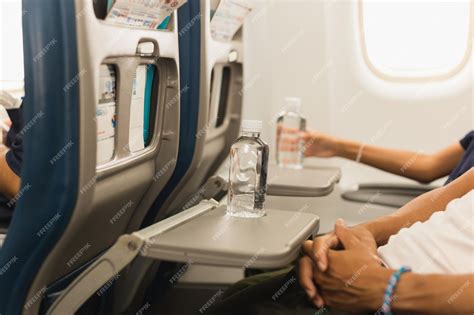
Alcohol and excessive caffeine deserve special attention. Although a glass of wine may appear relaxing, alcohol can fragment sleep quality and contribute to dehydration. Similarly, excessive coffee or energy drinks can interfere with attempts to synchronize sleep schedules.
Water remains the most effective beverage for long-haul travel.
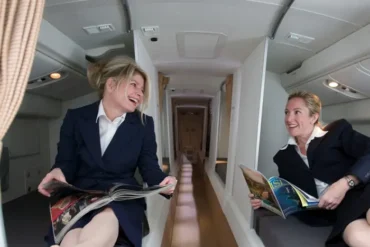
Many experienced cabin crew members carry refillable water bottles and consciously monitor hydration throughout flights. Their frequent exposure to dry cabin environments has taught them the importance of maintaining fluid balance.
Travelers who arrive well-hydrated often report fewer headaches, improved alertness, and faster recovery from long journeys.
Understand How Cabin Conditions Affect Your Body
Jet lag is not caused solely by changing time zones. The aircraft environment itself contributes significantly to passenger fatigue.
Commercial airliners typically maintain cabin pressure equivalent to an altitude between approximately 6,000 and 8,000 feet above sea level. While this pressure is safe and comfortable for most passengers, the body still experiences physiological changes compared with conditions on the ground.
Reduced oxygen availability can contribute to feelings of tiredness and reduced alertness. Combined with low humidity and prolonged sitting, these factors create a perfect environment for fatigue.
Modern aircraft have improved passenger comfort substantially.
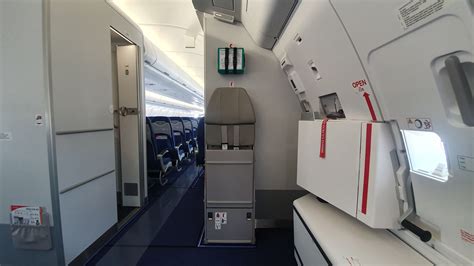
Aircraft such as the Boeing 787 Dreamliner and the Airbus A350 feature advanced environmental systems that maintain lower cabin altitudes and higher humidity levels compared with many older aircraft.
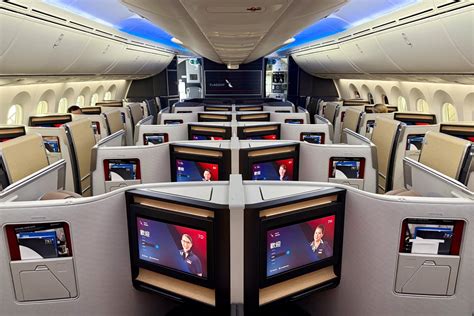
These improvements help reduce dehydration, headaches, and exhaustion during ultra-long-haul journeys. Nevertheless, passengers should still take proactive steps to combat the effects of the cabin environment.
Regular movement around the cabin, stretching exercises, and proper hydration remain important regardless of aircraft type.
Choose Food Carefully Before and During the Flight
Nutrition plays a surprisingly important role in how travelers feel during and after overnight flights.
Heavy meals can place additional stress on digestion, especially when the body’s internal clock is already confused. Rich foods, excessive sugar, and large portions may contribute to bloating and discomfort.
Airline meals often contain elevated sodium levels because taste perception decreases at altitude. While these meals are generally safe and convenient, travelers who are sensitive to salt may experience additional water retention and bloating.
A better strategy is to focus on lighter meals and healthy snacks.
Good options often include:
- Fresh fruit
- Nuts
- Whole-grain snacks
- Yogurt
- Protein-rich foods
- Vegetables
Eating according to destination time rather than departure time can also accelerate adaptation.
If breakfast is being served onboard but it is still midnight according to your destination schedule, delaying the meal may help maintain alignment with local rhythms.
Upon arrival, eating meals at normal local times reinforces the body’s adjustment process and supports circadian synchronization.
Pack the Right Comfort Essentials for Overnight Flights
The final secret to surviving overnight long-haul travel often comes down to preparation.
Experienced travelers rarely board lengthy international flights without a carefully selected comfort kit. Small items can have a surprisingly large impact on overall well-being.
Dry cabin air can irritate skin, eyes, and nasal passages. Carrying travel-sized comfort products helps minimize discomfort during flights lasting ten, twelve, or even fifteen hours.
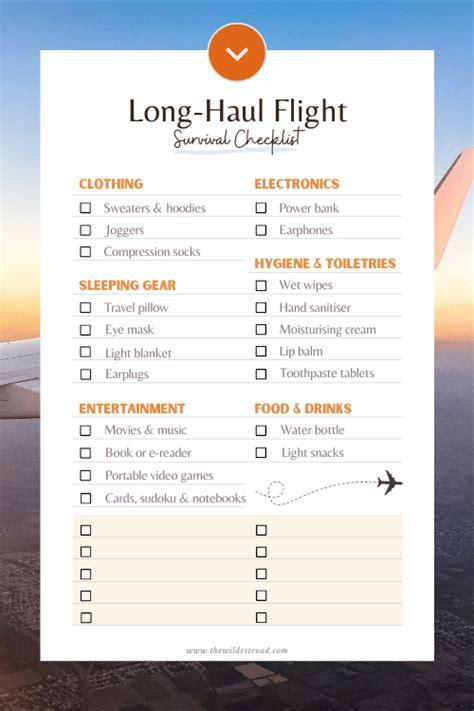
Useful travel essentials often include:
- Eye drops
- Lip balm
- Moisturizer
- Face mist
- Refillable water bottle
- Compression socks
- Travel pillow
- Eye mask
- Noise-canceling headphones
- Healthy snacks

Comfort continues after landing. Many seasoned flight attendants immediately change into comfortable clothing, spend time outdoors, and expose themselves to daylight to help their bodies adapt.
The goal is not perfection. Even airline crews with years of experience occasionally struggle with sleep disruption after crossing multiple time zones. The objective is simply to reduce the severity and duration of symptoms.
Final Thoughts: Preparation Is the Key to Arriving Refreshed
An overnight long-haul flight challenges the body in ways many travelers underestimate. Crossing multiple time zones, spending hours in a low-humidity cabin, sleeping in an unfamiliar environment, and adjusting to a new schedule can all contribute to fatigue and discomfort.
However, successful adaptation begins long before boarding. Gradually adjusting sleep schedules, managing light exposure, staying hydrated, timing sleep carefully, choosing nutritious foods, understanding cabin conditions, and packing essential comfort items can dramatically improve the experience.
Jet lag may never disappear entirely, especially on journeys spanning multiple continents, but thoughtful preparation can shorten recovery time and help travelers enjoy their destination sooner. Whether traveling for business, leisure, or family visits, mastering these seven essential strategies can transform an exhausting overnight flight into a far more comfortable and productive journey.