Aircraft engines represent not only the most expensive components of an aircraft but also the most critical for safe operations. Their maintenance is an industry unto itself, valued at over $2.5 billion and growing. Airlines invest heavily in engine maintenance, repair, and overhaul (MRO) to minimize costly disruptions and ensure operational safety. Failure to prioritize proper engine care risks financial losses far greater than MRO expenses themselves.
The intense forces experienced during every flight—friction, vibrations, extreme heat, and corrosive environments—inevitably lead to component degradation. Even though engines are crafted from highly resilient materials, they remain vulnerable to damage from foreign objects, such as bird strikes.
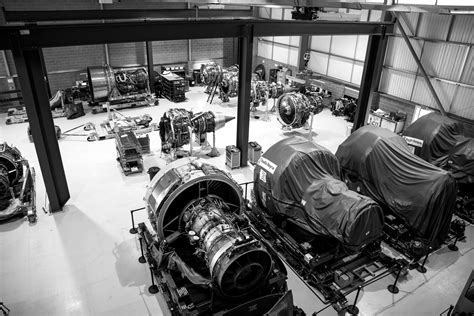
Understanding the Aero-Engine Maintenance Industry
The aero-engine MRO sector continues to thrive, anticipated to surge even further as global air traffic rebounds post-pandemic. Given that aircraft engines can cost between $12 million and $45 million each, airlines must safeguard these investments rigorously. The most costly parts within an engine include the turbine blades, bearings, and engine control systems, all critical to overall engine performance.
Engines undergo maintenance under two main categories:
- On-Wing Maintenance: Conducted without removing the engine from the aircraft, on-wing repairs allow for rapid interventions wherever the plane may be. Companies like GE Aviation exemplify this with over 4,500 rapid repair operations worldwide each year.
- Off-Wing Maintenance: Involving the engine’s removal and transportation to a specialized facility, off-wing maintenance includes light repairs (taking 15 to 35 days) and heavy overhauls (lasting over two months).
Both processes are meticulously timed to ensure minimal disruption to airline schedules, with artificial intelligence expected to revolutionize MRO scheduling and efficiency.
What Is Time Between Overhaul (TBO)?
Aircraft engines must adhere to a specified Time Between Overhaul (TBO)—the manufacturer’s recommended maximum number of operating hours before a full engine overhaul is necessary. Typically, modern jet engines have TBOs around 15,000 hours. However, exceptions exist; in 2019, a Rolls-Royce Trent 700 on an Aeroflot Airbus A330 surpassed 50,000 flying hours without overhaul, setting a world record.
Inside a Complete Engine Overhaul
Overhauling an engine is a detailed and labor-intensive process involving multiple critical steps:
- Initial Diagnostics: Technicians perform thorough assessments to determine necessary repairs.
- Complete Disassembly: The engine is meticulously dismantled, and each part is logged.
- Chemical Cleaning: Components are bathed chemically to eliminate residues and contaminants.
- Component Refurbishment: Over 2,000 parts are inspected and either refurbished or replaced as needed.
- Balancing Rotating Parts: Engineers ensure perfect balance of rotors to minimize future vibration issues, essential for both comfort and fuel efficiency.
- Reassembly: Only after exhaustive inspections and refurbishments do technicians reassemble the engine.
- Test Runs: The engine is run on a test-bed to verify operational integrity before returning to service.
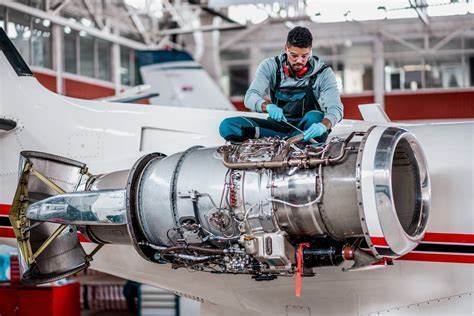
Each overhaul concludes with the time since overhaul (TSO) reset to zero, while the time since new (TSN) remains.
The Crucial Importance of Rotating Parts Balancing
One of the most critical phases during an overhaul is the balancing of rotating stages. Imbalanced engines lead to excessive vibrations that jeopardize both mechanical integrity and passenger comfort. Proper balancing extends engine life, enhances fuel economy, and reduces maintenance frequency.
Moreover, life-limited parts (LLPs)—components with strict usage limits due to safety concerns—must be replaced regardless of apparent wear. Adherence to LLP protocols is non-negotiable in aviation maintenance standards.
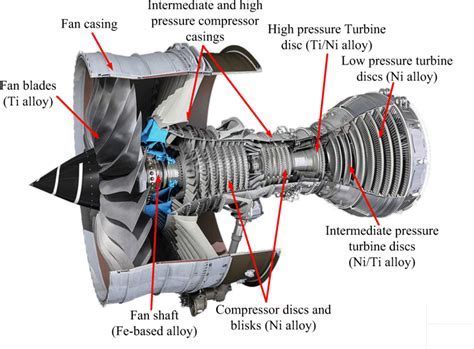
Heavyweights of the Skies: Engine Mass and Safety Challenges
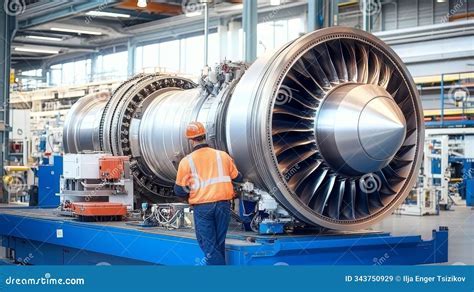
Maintaining jet engines demands tremendous care not only for mechanical precision but also for worker safety. Some of aviation’s largest engines include:
- GE9X: Weighs approximately 21,230 lbs (9,630 kg), designed for the Boeing 777X.
- Rolls-Royce Trent 900: Weighs 13,770 lbs (6,246 kg), powering the Airbus A380.
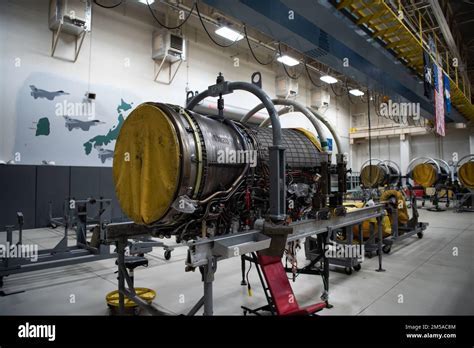
Handling such massive machinery in maintenance hubs like Delta TechOps Atlanta or the Chengdu Aero-Engine Maintenance Facility requires specialized equipment, safety protocols, and expert oversight.
The Evolution of Engine Maintenance Technologies
Emerging technologies are transforming the future of aero-engine MRO:
- Predictive Maintenance: AI-driven analytics allow technicians to foresee potential failures before they occur.
- 3D Printing: Additive manufacturing enables faster, cheaper production of replacement components.
- Digital Twin Technology: Real-time digital models of physical engines help monitor performance and predict maintenance needs.
These advancements not only reduce downtime but also significantly lower long-term operational costs.
Asia’s Growing Influence in the MRO Market
Facilities like the Chengdu Aero-Engine Maintenance Facility—Asia’s largest—now service over 600 engines annually. As air traffic in the Asia-Pacific region continues its rapid expansion, the region’s importance in the global MRO market grows proportionally.
Moreover, collaborations with major engine manufacturers ensure that regional facilities meet the highest international standards, matching or exceeding those found in North America or Europe.
Conclusion: The Heartbeat of Modern Aviation
Every time an aircraft roars down the runway or soars across continents, it does so thanks to the diligent, precise, and often unseen labor of the aero-engine maintenance industry. Protecting these engines is a task requiring vast expertise, cutting-edge technology, and relentless attention to detail.
As aviation demand accelerates and technologies evolve, so too must maintenance practices. The future promises even greater reliability, efficiency, and safety—keeping the heartbeat of modern aviation strong and steady for decades to come.