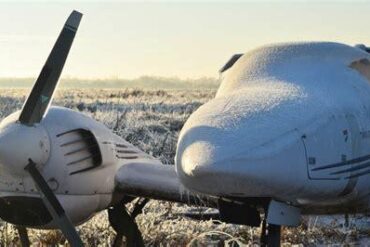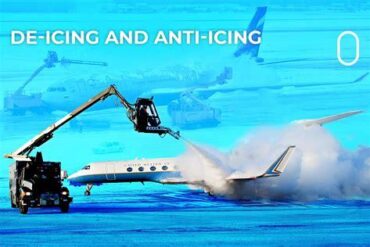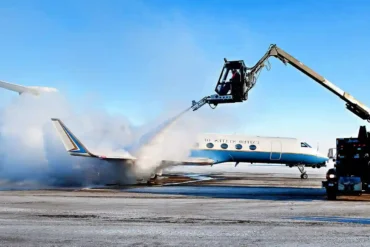
Aviation faces numerous natural threats, but few are as persistent and insidious as aircraft icing. Effective deicing equipment is not merely a luxury; it is a vital necessity to maintain performance, safety, and control during flight in adverse weather. In this article, we explore the leading types of deicing equipment, analyzing their functionality, benefits, and limitations.
Understanding the Critical Need for Deicing Systems
Ice accumulation on an aircraft can drastically alter its aerodynamic profile, increasing weight, reducing lift, and, in extreme cases, leading to catastrophic failures. The aviation industry employs several deicing technologies, each tailored to different operational needs and aircraft designs. Mastery of these systems is indispensable for pilots and engineers alike.
Pneumatic De-Ice Boots: Proven Reliability Under Pressure
Pneumatic de-ice boots are one of the oldest and most widely used deicing systems. They consist of rubber membranes fitted to the leading edges of wings and control surfaces. When activated, air from the engine’s compressor inflates these boots in sections, cracking and shedding accumulated ice.
The advantages of pneumatic boots lie in their continuous availability—as long as engine bleed air is available, the system remains operational. Modern designs allow pilots to manually or automatically cycle different sections for efficient ice removal.
However, there are notable disadvantages. The inflation process momentarily disrupts the wing’s aerodynamic contour, increasing stall speed. Furthermore, ice can form aft of the boot where protection ends, creating unremovable buildup. Lastly, punctures or tears in the boot can severely degrade system effectiveness, necessitating regular inspection and maintenance.
Weeping Wings: A Fluid Approach to Ice Protection
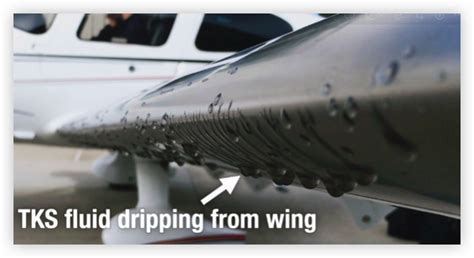
Weeping wing systems use a network of microscopic holes in the leading edges through which a glycol-based TKS fluid is pumped. This fluid spreads over the surfaces, preventing ice from adhering and forming a slick protective film.
Their chief advantage is the comprehensive coverage they offer, protecting not just the leading edge but also the upper and lower surfaces of wings and stabilizers. This feature makes them ideal for continuous operations in moderate to severe icing conditions.
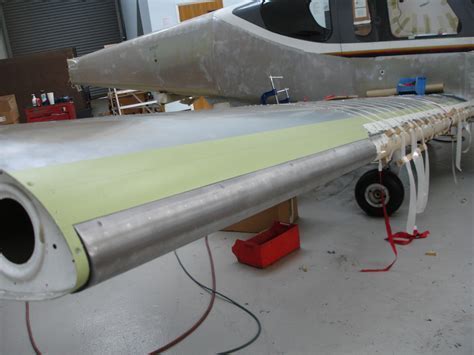
The disadvantage is the finite supply of TKS fluid. Typical aircraft have between 1.5 and 2.5 hours of protection, requiring careful flight planning and monitoring. Additionally, fluid leakage or pump failure can compromise the entire system.
Bleed Air Heated Surfaces: Harnessing Engine Power for Protection
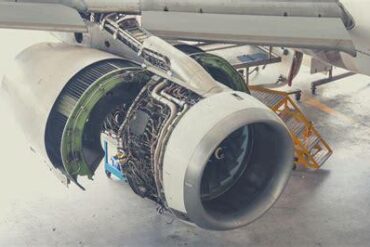
Bleed air systems tap into the high-temperature, high-pressure air from a jet engine’s compressor section to heat critical surfaces like wing leading edges, engine nacelles, and tailplanes.
The advantage is powerful, continuous anti-icing as long as the engines are operational. This method not only prevents ice formation but can also remove light accumulations.
However, the disadvantages are significant. If the system is activated too late, melted ice can refreeze beyond protected zones, known as runback ice, which can disrupt airflow. Additionally, late activation risks chunks of ice dislodging and being ingested into engines, potentially causing serious damage. There is also a performance penalty due to the diversion of bleed air, which slightly reduces engine thrust and efficiency.
Electrically Heated Surfaces: Instant Protection with Caveats
Electrically heated deicing systems employ heating elements embedded in or attached to key surfaces such as windshields, pitot tubes, and angle-of-attack sensors. These systems are activated independently of the engines, providing rapid de-icing even before takeoff.
The main advantage is their reliability—as long as electrical power is available, the surfaces remain protected. They are particularly indispensable for cockpit visibility and instrument accuracy.
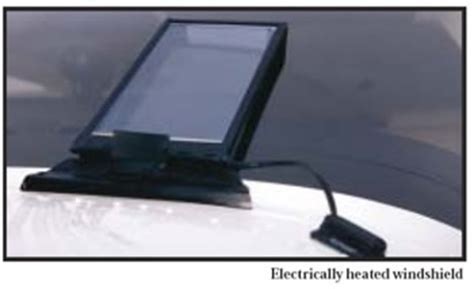
Yet, electrically heated systems are constrained by their limited coverage area. They are unsuitable for large aerodynamic surfaces like wings and tails due to power requirements and technological limitations. Furthermore, if operated on the ground for prolonged periods, they can overheat and damage sensitive components.
Electro-Mechanical Systems: The Future of Deicing Technology
Electro-Mechanical Expulsion Deicing Systems (EMEDS) represent a newer frontier in ice protection. These systems detect ice formation using integrated sensors. Upon detection, coils within the leading edge vibrate at high frequencies, physically dislodging accumulated ice without altering the aerodynamic surface.
Their advantages are substantial. EMEDS systems do not inflate or distort the airfoil shape, thus avoiding increases in stall speed. They also consume relatively little electrical power compared to full-surface heating systems, enhancing energy efficiency.
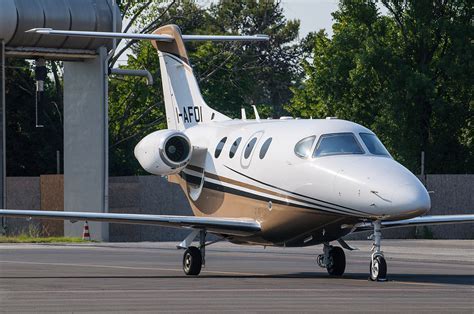
However, there are disadvantages. EMEDS must be built into the aircraft during manufacture, limiting their use primarily to newer models. Additionally, because shedding ice into an engine poses significant risks, traditional heated leading-edge protection must still be used around engine inlets, complicating integration.
Comparative Overview of Deicing Systems
| System | Main Advantage | Main Disadvantage |
|---|---|---|
| Pneumatic De-Ice Boots | Continuous operation with bleed air | Increased stall speed, boot damage |
| Weeping Wings (TKS) | Comprehensive surface protection | Finite fluid supply |
| Bleed Air Heated Surfaces | Powerful continuous anti-icing | Runback ice, performance penalty |
| Electrically Heated Surfaces | Instant protection for critical areas | Limited area coverage, overheating risk |
| Electro-Mechanical Expulsion (EMEDS) | No aerodynamic penalty, low power use | Limited to new aircraft, partial coverage |
Strategic Considerations for Operators
Choosing the right deicing system depends heavily on the aircraft’s mission profile, size, and operational environment. Turboprops operating in known icing conditions may favor TKS systems for their full-surface coverage, whereas high-performance jets might opt for bleed air systems to maintain streamlined aerodynamics. For future developments, electro-mechanical systems promise lighter, more efficient protection, though their current application remains limited to select smaller aircraft.
Moreover, pilots must be intimately familiar with the activation timing, operational limitations, and failure modes of their deicing equipment. Incorrect usage—whether activating a bleed air system too late or running out of TKS fluid—can quickly escalate into an emergency.
The Future of Ice Protection Technologies
Ongoing research into hybrid systems combining multiple deicing techniques aims to overcome the individual limitations of each method. Nanotechnology-based coatings that repel water and ice, as well as intelligent sensors that activate protection systems automatically upon detecting ice, are already being tested.
As aviation technology advances, so too will the methods by which we combat the relentless and dangerous phenomenon of aircraft icing. The importance of effective deicing equipment will only grow as air travel expands into harsher climates and more remote territories.
In conclusion, understanding and properly managing deicing systems is not merely technical knowledge—it is essential for safeguarding every flight.