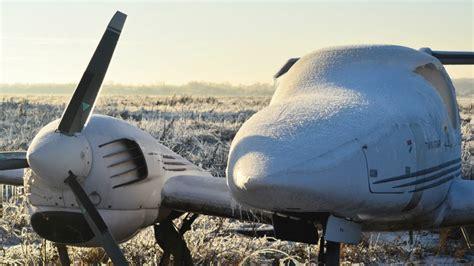
Aircraft safety during flight through icing conditions heavily relies on effective ice protection systems. Among these, the deicing boot stands out as a pivotal innovation. Installed predominantly on the leading edges of wings and control surfaces such as the horizontal and vertical stabilizers, deicing boots offer mechanical deicing solutions that have been safeguarding flights for decades.
A deicing boot consists of a thick rubber membrane attached to the aircraft’s vulnerable surfaces. When ice begins to form during flight, a pneumatic system inflates the boot using compressed air. This expansion creates ridges and cracks that disrupt and dislodge accumulated ice, allowing the airstream to blow it away. Once the ice is cleared, the boots deflate, restoring the aerodynamic efficiency of the wing. This simple yet highly effective mechanism provides a layer of protection vital for aircraft performance in adverse weather conditions.
Proper maintenance of deicing boots is crucial. Even minor holes or cuts can compromise the pneumatic system’s effectiveness, leading to inadequate ice removal. Pre-flight inspections must therefore include meticulous checks for any visible damage, with immediate patching of any flaws to ensure maximum functionality.
The Genesis of Deicing Boots: Innovation Born of Necessity
The concept of deicing boots emerged during the early 20th century when aircraft began flying at altitudes where icing was a serious hazard. Around 1929–1930, the B.F. Goodrich Corporation in Akron, Ohio, led by retired Ph.D. chemist William C. Geer, pioneered the development of the first deicing boots. Recognizing the dangers posed by ice accumulation, Goodrich invested heavily in creating an indoor facility capable of simulating severe icing conditions.
This facility enabled engineers to test and refine the rubber boot design until it proved reliable in cracking and shedding ice. The success of the project marked a critical advancement in aviation safety and led to the widespread adoption of deicing boots across various aircraft models.
Operational Mechanism: The Engineering Behind Pneumatic Deicing Boots
The working principle behind deicing boots is elegantly straightforward. As soon as atmospheric icing is detected, the pneumatic system inflates the rubber boots along the leading edges. The inflation, typically in a sequential pattern across sections of the wing, creates sufficient distortion of the wing surface to fracture and eject the accumulated ice.
Inflation is usually rapid and followed by a controlled deflation, ensuring that the wing’s shape is minimally affected when the boots are not actively removing ice. Modern deicing boots can be operated manually by the pilot or automatically based on sensors detecting ice buildup. This flexibility ensures that pilots can react appropriately to different intensities of icing conditions.
Advantages and Limitations of Deicing Boots
Deicing boots offer several advantages:
- Lightweight: Compared to more complex thermal systems, boots add minimal weight to the airframe.
- Simple Design: The relative mechanical simplicity reduces maintenance costs and technical complexity.
- Proven Technology: Decades of use have validated their effectiveness under a wide range of conditions.
However, there are notable limitations:
- Not Suitable for Severe Icing: In extremely rapid icing conditions, boots may not shed ice quickly enough.
- Potential for Air Leaks: Damage to the boots can diminish their efficiency.
- Limited Surface Coverage: Areas not protected by boots remain vulnerable to ice accumulation.
Alternatives to Deicing Boots: Heat-Based Ice Protection Systems
For larger commercial aircraft and military jets, heat-based systems have largely replaced pneumatic boots. These systems use either bleed air or electrothermal methods:
- Bleed Air Systems: High-temperature, high-pressure air is extracted from the engine compressor stage and ducted to wing leading edges, keeping them warm enough to prevent ice formation.
- Electrothermal Systems: Electric current flows through resistive heating elements embedded in or attached to leading edges, offering a powerful alternative that avoids drawing bleed air from engines.
Aircraft such as the Boeing 787 employ electrothermal deicing, reflecting the evolution of technology to meet the needs of modern flight profiles, where electrical power is more readily available than bleed air.
The Myth and Reality of Ice Bridging
A historically persistent concern in operating deicing boots has been the phenomenon of ice bridging. This theory suggested that if boots were activated too early, they could push slushy ice into a hard shell that would then freeze around the boot, making further removal impossible. Early aviation literature, including works like Ernest Gann’s “Fate Is the Hunter”, discussed this risk.
However, modern studies and accident investigations have largely debunked this notion. In 2008, the National Transportation Safety Board (NTSB) issued a decisive alert recommending that pilots activate deicing boots immediately upon entering icing conditions. The NTSB emphasized that ice bridging is “extremely rare, if it exists at all,” and delaying boot activation could significantly increase the risk of accidents.
Maintenance and Inspection: Ensuring Reliable Performance
Ensuring the effectiveness of deicing boots hinges on rigorous maintenance practices. During pre-flight inspections, pilots and maintenance crews must pay special attention to the boot surfaces, checking for:
- Cracks and Cuts: Even small imperfections can allow air leaks.
- Proper Adhesion: Boots must remain securely attached to the wing surface.
- Surface Cleanliness: Dirt and contaminants can affect boot inflation and performance.
Additionally, periodic functional checks ensure the pneumatic system operates within required parameters. Many aircraft are also equipped with boot pressure monitoring systems that alert pilots to failures in real time.
Conclusion: Deicing Boots as a Pillar of Flight Safety
In the challenging realm of aviation, where weather conditions can shift unpredictably, deicing boots represent a robust and time-tested solution to the threat of ice accumulation. Although newer technologies continue to emerge, the reliability, simplicity, and effectiveness of deicing boots ensure they remain indispensable for many categories of aircraft, particularly medium-sized airliners and utility aircraft.
From their groundbreaking development in the 1930s to their crucial role in modern aviation, deicing boots exemplify how innovative engineering can provide practical, life-saving solutions. As aviation continues to evolve, the legacy of the deicing boot endures—an enduring testament to the ingenuity and commitment to safety that define the aerospace industry.