Understanding Type I Deice Fluid in Aircraft Ground Operations
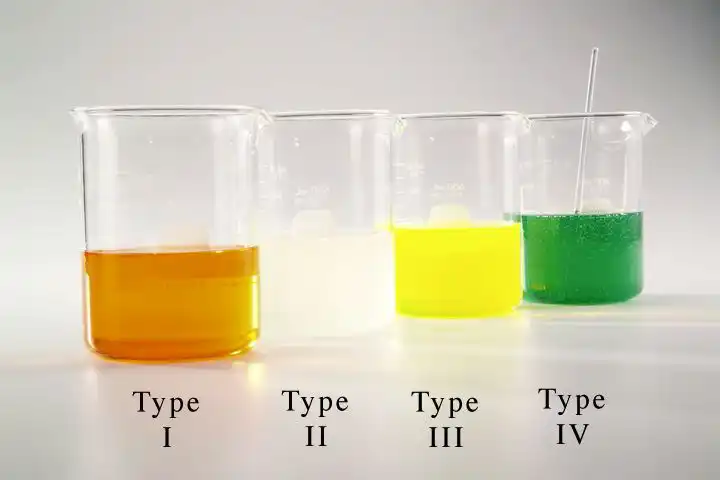
In the complex and critical field of aircraft deicing, Type I deice fluid serves as the foundational element for restoring airframe surfaces to a frost-free state before takeoff. While newer and thicker fluids like Type II, III, and IV have expanded the operational envelope of anti-icing strategies, Type I remains indispensable—especially as the first step in two-step deicing/anti-icing procedures.
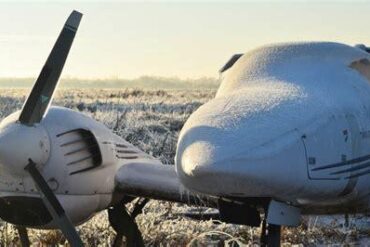
Aircraft exposed to freezing precipitation, frost, or ice accumulation on the ground require immediate treatment to prevent disrupted airflow, degraded lift, and the potentially catastrophic consequences of contaminated control surfaces. Type I fluid is the most commonly used for initial deicing, due to its low viscosity and the effectiveness of its application.
Composition and Characteristics of Type I Deice Fluid
Type I deice fluid is composed primarily of a glycol and water solution—either ethylene glycol or propylene glycol—diluted to specific concentrations based on ambient conditions. This solution is always heated and sprayed under pressure, and does not include thickening agents, distinguishing it from higher-numbered fluid types.
Its primary characteristics include:
- Low viscosity, enabling rapid flow and quick runoff from aircraft surfaces.
- High thermal capacity, which, when heated, physically melts and removes frozen contaminants.
- Short holdover time (HOT), meaning it offers protection only briefly after application.
This formulation allows the fluid to be used across a wide range of aircraft—from small commuter planes to wide-body jets—since it shears off cleanly even at relatively low airspeeds of 60 knots or more.
Operational Use and Application Techniques
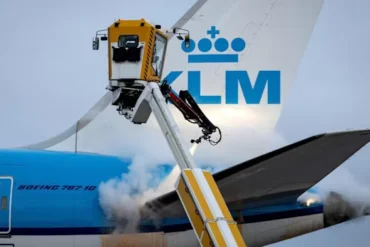
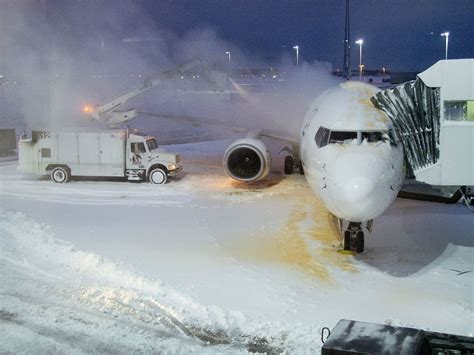
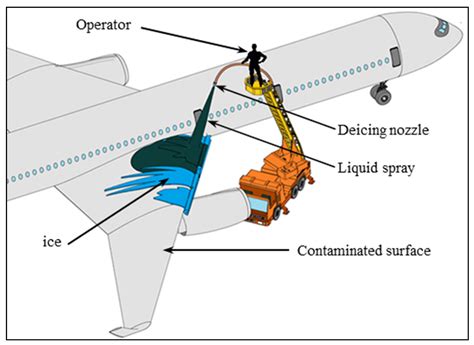
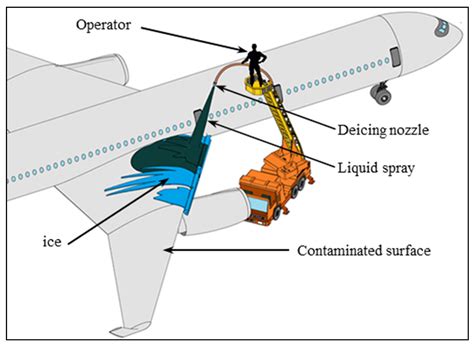
Type I fluid is always applied as a heated solution, typically between 60°C to 82°C (140°F to 180°F). The process is executed via pressurized spray systems mounted on deicing trucks or booms, ensuring coverage and penetration into ice-contaminated surfaces.
During deicing:
- The heat provided by the fluid is the primary mechanism for melting ice and frost.
- The hydraulic pressure of application dislodges slush, snow, and softened ice.
- Application must be thorough and uniform, covering all aerodynamic and control surfaces.
Type I Fluid vs. Type II, III, and IV
While Type I fluid is the first line of defense, it lacks the long-lasting anti-icing properties of thicker fluids. Understanding the difference is essential for ground crews and pilots making time-sensitive decisions in icing conditions:
- Type II and IV fluids include thickening agents that extend holdover time significantly, allowing these fluids to remain on aircraft surfaces until takeoff.
- Type III fluids offer intermediate viscosity, specially designed for lower-speed commuter aircraft, but still include some shear resistance.
- In contrast, Type I fluid flows off rapidly, which is ideal for deicing, but makes it unreliable for sustained anti-icing.
As such, Type I is frequently used in a two-step process:
- Step 1: Deicing with heated Type I fluid to remove frost, ice, or snow.
- Step 2: Anti-icing with unheated Type II or IV fluid to prevent refreezing prior to takeoff.
Holdover Time (HOT) Considerations
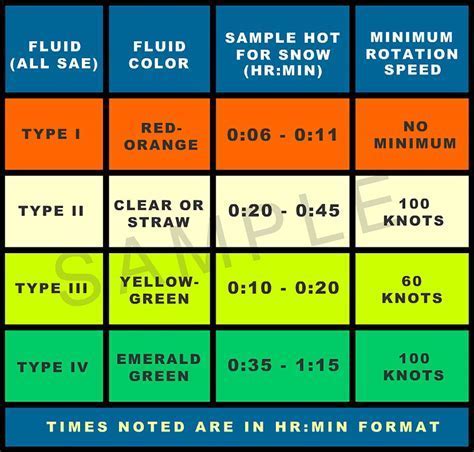
Holdover Time refers to the estimated time a deice or anti-ice fluid will prevent the formation of ice, snow, or frost on a treated surface. Type I fluid has the shortest HOT of any type, sometimes as little as 3–10 minutes in active precipitation, making timing critical.
Factors influencing HOT for Type I fluid include:
- Ambient temperature
- Wind and humidity
- Type and intensity of precipitation
- Fluid temperature and concentration
When Type I fluid reaches the end of its HOT, it fails suddenly, meaning the surface may become rapidly contaminated with refreezing moisture. This creates a narrow operational window, and crews must carefully monitor weather changes and departure schedules to ensure compliance with safety standards.
Freezing Point and Fluid Strength
The freezing point of Type I fluid is determined by the glycol-to-water ratio. Unlike water, propylene and ethylene glycols depress the freezing point of the fluid mixture significantly.
- Propylene glycol mixtures: Generally safer and less toxic, used widely in North America.
- Ethylene glycol mixtures: More effective at lower temperatures but more toxic, used in specific regions under controlled conditions.
The optimal concentration of glycol is not 100%. Instead, maximum freezing point depression occurs around 70% glycol concentration, depending on the formulation. At higher concentrations, fluid viscosity increases, but thermal efficiency and flow characteristics decline.
Field Testing with Refractometers
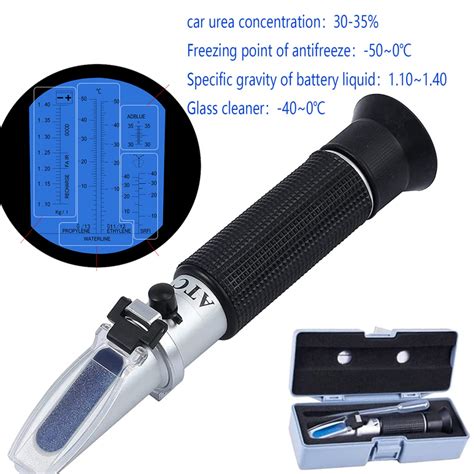
To determine the glycol concentration in the field, ground personnel use specialized refractometers, including:
- Standard refractometers: Measure index of refraction, requiring conversion tables.
- Brix refractometers: Express refraction in degrees Brix.
- Glycol testers: Custom tools that directly display freezing point for both propylene and ethylene glycol-based fluids.
These tools are essential for fluid quality assurance, ensuring the freezing point is within acceptable limits for the aircraft and expected weather conditions.
Global Availability and Regional Practices
Type I fluids are available worldwide, making them a reliable baseline option in virtually all commercial and general aviation operations. However, regional practices differ:
- In North America, Type I is typically followed by cold-applied Type IV for anti-icing.
- In the UK and Europe, heated Type II or IV may be used for both deicing and anti-icing functions.
Understanding these regional variations is essential for international operations, as the application technique and sequence can affect flight clearance and safety compliance.
Safety and Environmental Considerations
Though effective, Type I deice fluids pose environmental risks due to glycol runoff into storm drains or soil. Glycol depletes oxygen in water bodies, potentially harming aquatic life. Airports now employ:
- Fluid recovery systems to collect used deicing fluid.
- Designated deicing pads with drainage and filtration.
- Biodegradable formulations and treatment systems.
The drive toward more environmentally sustainable practices has spurred innovations in fluid chemistry, recovery technologies, and closed-loop recycling systems.
Conclusion: The Role of Type I Fluid in Modern Aviation
Despite the rise of advanced anti-icing fluids, Type I deice fluid remains the cornerstone of ground-based ice protection. Its rapid application, universal compatibility, and crucial role in the two-step process make it irreplaceable. Pilots, ground crews, and operators must understand its limitations, application methods, and integration with other fluid types to ensure safe departures in winter conditions.
Frequently Asked Questions (FAQ)
What is the main difference between Type I and Type IV deicing fluids?
Type I fluid is a low-viscosity, heated solution used for removing ice and snow from aircraft surfaces. Type IV, on the other hand, is a high-viscosity anti-icing fluid designed to remain on surfaces longer, preventing refreezing after deicing is completed.
How long does Type I deice fluid protect the aircraft?
Holdover times for Type I fluid are short—typically between 3 and 10 minutes, depending on temperature, fluid concentration, and precipitation intensity. It is not designed for long-term protection and is usually followed by a Type II or IV fluid.
Can Type I fluid be used alone for anti-icing?
While Type I can offer limited anti-icing protection due to the heat applied during spraying, it is not reliable for preventing refreezing in ongoing precipitation. For comprehensive anti-icing, a two-step process using a Type IV or II fluid is recommended.