KLM Royal Dutch Airlines is confronting one of its most intense operational crises in years, as unrelenting snowstorms at Amsterdam Schiphol Airport (AMS) have crippled its winter operations. In response to a critical shortage of de-icing fluid, the Dutch flag carrier has taken the extraordinary step of dispatching personnel directly to Germany to retrieve emergency supplies in an effort to avert a total shutdown.
De-Icing Emergency Grips Amsterdam Schiphol
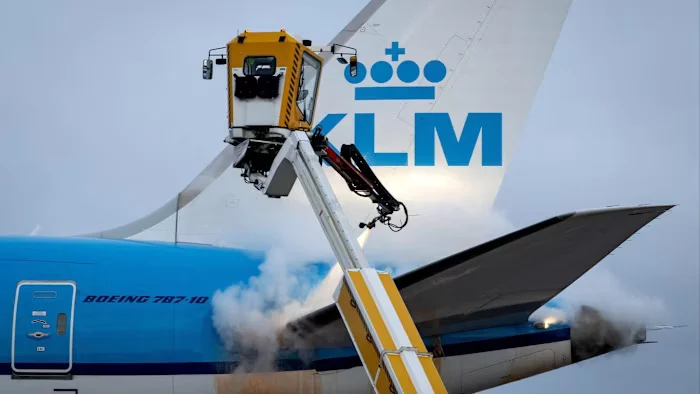
For five consecutive days, AMS has been buried under heavy snowfall, triggering a cascade of flight disruptions. KLM’s operations center is operating in emergency mode, with 25 de-icing trucks running continuously, attempting to clear aircraft surfaces of snow, ice, and frost.
Despite the around-the-clock efforts, KLM has used up approximately 85,000 liters of glycol-based de-icing fluid, and supplies are running dangerously low. The airline confirmed that it is receiving daily shipments, but delays from the main supplier—combined with the scale of demand—have made replenishment efforts inadequate.
“Since Friday, KLM has been de-icing aircraft at Schiphol around the clock using de-icing fluid delivered daily. Due to a combination of extreme weather conditions and delays in supply from the provider, stock levels are running low,” said a KLM spokesperson.
The situation is made more precarious by the fact that intense winter weather of this nature is rare for the Netherlands. Unlike Scandinavian countries such as Finland, which are better prepared for long-term cold-weather operations, Dutch infrastructure and supply chains are struggling to cope.
Flight Cancellations Skyrocket to Nearly 2,400
According to Flightradar24, since January 2, 2026, KLM has canceled 2,374 flights, a figure representing over half of its scheduled operations during that period. The cancellations have escalated day by day:
- January 2: 202 flights canceled
- January 3: 294 flights canceled
- January 4: 398 flights canceled
- January 5: 463 flights canceled
- January 6: 417 flights canceled
The most severe disruptions are forecast for January 7, with nearly 600 scheduled cancellations, amounting to 92% of all KLM’s daily operations. The snow-induced chaos has not only stranded thousands of passengers but has also forced the airline to reroute resources toward managing ground operations, fluid acquisition, and customer rebooking logistics.
KLM’s Dominance at Schiphol Magnifies the Crisis
KLM is the dominant carrier at Amsterdam Schiphol Airport, responsible for over 57.85% of departures this January (9,816 out of 16,967), according to aviation analytics firm Cirium. Its reliance on Schiphol as a central hub has made it uniquely vulnerable to weather-based interruptions.
As aircraft await de-icing treatment, congestion has built up across taxiways, apron stands, and gates. The situation reached absurd levels when one flight, KL1003 bound for the UK, taxied for over two hours without ever leaving the ground, looping around the western side of the airfield before returning to the gate and ultimately being canceled.
Germany Emerges as Lifeline for De-Icing Supply
With fluid levels plummeting, KLM made the rare decision to dispatch personnel to Germany—home to its main de-icing fluid supplier—in hopes of retrieving more stock manually. While specifics remain unclear, including how much fluid will be transported or how long it will last, the move underscores the severity of the supply chain disruption.
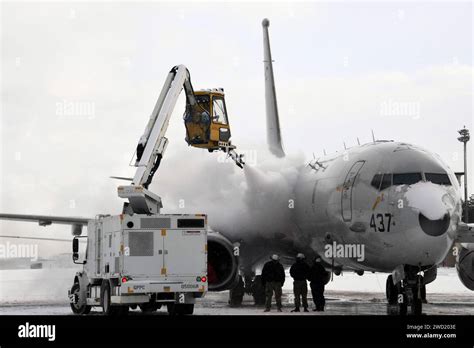
De-icing fluid, typically made of propylene glycol or ethylene glycol mixtures, is essential for ensuring aircraft can safely depart in freezing weather. Without it, the risk of ice accumulation on wings and fuselage surfaces grows, posing severe safety risks.
The logistics of the German operation have not been fully disclosed, but industry experts suggest the airline is likely using road transport convoys—a faster, if less scalable, method of acquiring urgently needed supplies compared to waiting for regular supply chain routes to resume.
Schiphol’s Infrastructure Stretched Beyond Limits
Schiphol Airport’s response has been one of cautious management. In a public advisory, it stated:
“Due to persistent winter weather, only limited air traffic is possible to and from Schiphol. Our snow crews are working around the clock to keep the runways clear, and aircraft are being carefully de-iced.”
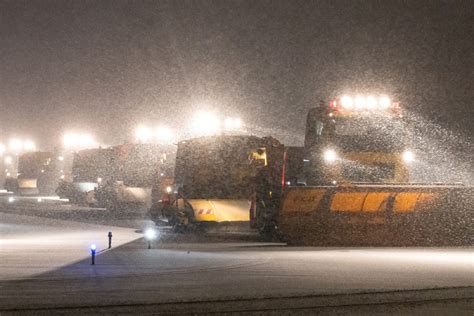
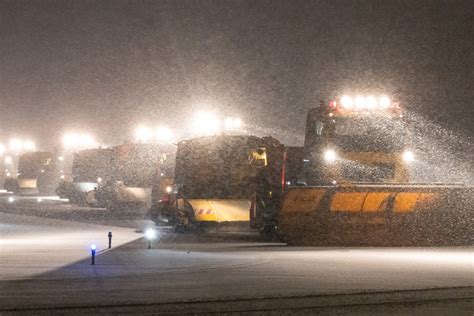
The airport has indeed deployed all its snowplows, blowers, and chemical dispersal vehicles in a 24/7 rotation, yet the runways continue to be affected by recurring snowdrifts. Delays in clearing parking bays and taxi lanes have created knock-on effects, including aircraft being forced to wait hours for access to stands or gates.
The issue is not confined to aircraft de-icing alone; ground crews, luggage handlers, and airport staff are also operating under intense pressure, often in subzero conditions for extended shifts. Reports suggest staffing levels have been affected by illness and fatigue, adding further strain to Schiphol’s already thin winter resilience capabilities.
Ripple Effects Felt Across European Airspace
The crisis in the Netherlands is not occurring in isolation. Airlines across Western and Central Europe are facing similar weather-related complications, with airports in Belgium, northern Germany, and parts of France experiencing their own struggles.
However, Schiphol stands out due to the volume of traffic and the degree to which KLM relies on a single hub for its connecting flights. As a result, passengers on both short-haul and long-haul connections are bearing the brunt of the delays, with international routes to the US, UK, and Asia seeing widespread cancellations.
Airline Response Strategy: Crisis Mode with Customer Fallout
KLM has activated its irregular operations (IROPS) protocol, launching dedicated customer service units to handle rebookings and accommodation arrangements. However, with thousands of travelers affected and limited alternative flights available, the airline’s website and call centers have been overwhelmed.
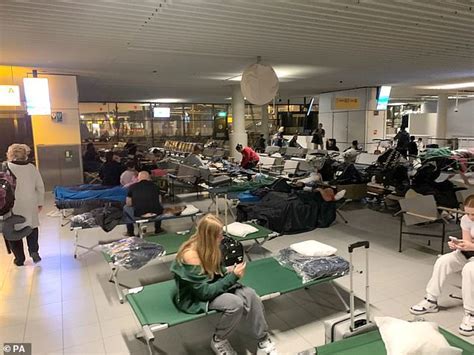
Social media is awash with complaints from stranded passengers, some of whom have been stuck at Schiphol for days. Others reported receiving last-minute cancellations without any clear rebooking guidance, while compensation and refund claims are piling up. The reputational impact could be long-lasting unless the airline manages a swift operational recovery.
Industry Takeaways: Weather Resilience as an Operational Imperative
This crisis highlights a key vulnerability in airline operations: limited weather resilience in regions unaccustomed to prolonged snow. Experts have already begun questioning whether Schiphol and KLM need to revise their contingency planning to align with evolving climate patterns, which are increasingly delivering unexpected weather anomalies.
Although airports like Helsinki and Oslo have built-in redundancy for snow clearance and de-icing logistics, Schiphol’s model appears optimized for efficiency rather than resilience. This may prompt an industry-wide reevaluation of winter preparedness in typically temperate zones.
What Happens Next: A Race Against Time and Temperature
As KLM’s trucks roll back from Germany with what is hoped to be life-saving fluid stock, the clock is ticking. Any further delays in resupply could mean additional days of cancellations. Weather forecasts suggest conditions will remain harsh for the next 48 hours, compounding the urgency.
Internally, KLM will need to reassess:
- Its de-icing fluid storage thresholds
- Supplier contract flexibility
- Airport-level collaboration during extreme weather events
Failure to do so may result in repeated disruptions in future winters—especially if this kind of “once-in-a-decade” snow becomes more common.
The world watches closely as KLM and Schiphol attempt to defrost their schedules, one flight at a time.