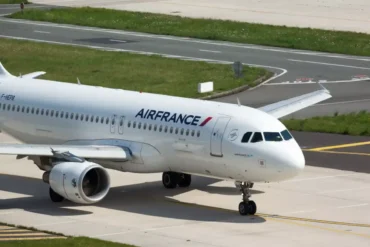
On April 20, 2025, an EasyJet Airbus A320neo, registration G-UZEF, experienced a critical pressurization failure mid-flight from Belfast International Airport (BFS) to Palma De Mallorca Airport (PMI). While the aircraft ultimately landed without injury or damage, the investigation revealed a preventable oversight stemming from a cockpit configuration error after de-icing—an incident that could have escalated with devastating consequences.
The Incident: A Cabin Losing Air At 39,000 Feet
As flight U23011 climbed towards its cruising altitude of FL390, onboard systems began to sound alarms. The cabin failed to pressurize. The cause? The “ditching” pushbutton—a safety control designed to seal off various fuselage openings during water landings—had been mistakenly left activated following de-icing procedures. This seemingly minor oversight inhibited the aircraft’s automatic pressurization system, allowing the cabin altitude to rise dangerously as the aircraft ascended.
As the oxygen-thin air at high altitude began to impact internal cabin pressure, the aircraft’s onboard warning systems alerted the crew. The flight deck responded with swift professionalism, initiating an emergency descent to FL200, a safer altitude where supplemental oxygen wouldn’t be immediately necessary. In the midst of this controlled descent, the captain identified the incorrectly set switch and reset the ditching pushbutton, restoring the aircraft’s pressurization system to normal function.
Systemic Oversight: When Human Error Overrides Engineering
The UK Air Accidents Investigation Branch (AAIB) classified the investigation as a correspondence inquiry, meaning no on-site forensic analysis was required. This method is reserved for non-injury, non-damage incidents that nonetheless present serious safety implications. The AAIB’s final report detailed how the inadvertent switch selection disrupted one of the most critical systems in the aircraft—pressurization, without which crew and passenger consciousness can be compromised within minutes at high altitude.
Though aircraft like the A320neo are designed with redundant safety mechanisms, their proper function still hinges on human factors—checklists, procedure adherence, and situational awareness. The ditching button, once selected, closes various outflow valves. If not deselected before flight, pressurization regulation is physically blocked, leaving the cabin vulnerable.
The Crew’s Response: Training Under Pressure
Despite the mechanical hiccup, the flight crew’s performance during the incident showcased the effectiveness of procedural training and cockpit resource management (CRM). Upon receiving pressurization warnings, they followed emergency checklists, coordinated their descent, and communicated clearly with air traffic control and cabin crew.
Once safe pressurization was confirmed at a lower altitude, the aircraft ascended again and completed the flight to Palma De Mallorca without further incident. No medical events were reported, and passengers were largely unaware of how close they came to a much more severe scenario.
Procedural Weaknesses: De-Icing Checklists Under Scrutiny
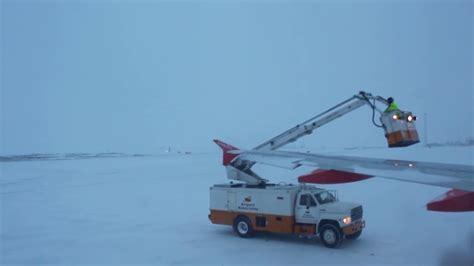
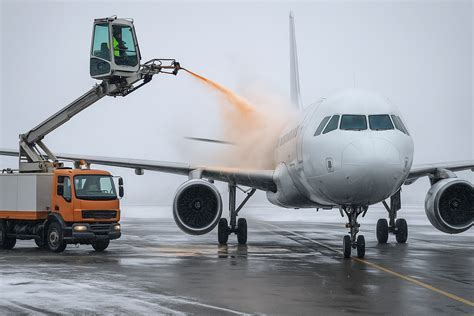
What emerged from this investigation wasn’t a flaw in the Airbus A320neo’s engineering—it was a procedural vulnerability during ground operations. The de-icing process requires several cockpit reconfiguration steps, often performed under time pressure and in challenging weather conditions. In this case, the failure to reset the ditching pushbutton post-de-icing became the single point of failure for an entire critical system.
This incident is not isolated. Similar configuration-induced pressurization events have been recorded in other A320-family aircraft. These incidents typically occur during transitional phases—after ground servicing, de-icing, or when aircraft are repositioned between different flight stages. The industry has long recognized that such moments pose elevated risk due to the number of tasks performed and the potential for oversight.
Safety Actions and Industry Response
In response to the AAIB’s findings, EasyJet and Airbus have taken proactive steps. Both organizations have updated internal training materials, highlighting the pressurization risks related to the ditching pushbutton. Checklist protocols were reviewed and amended to include explicit verification of switch positions following de-icing.
Airbus also issued technical reminders to operators, emphasizing the interplay between the ditching switch and cabin pressurization systems. Such bulletins are crucial in disseminating safety-critical information rapidly across global fleets.
The Bigger Picture: Why Pressurization Incidents Matter
Cabin pressurization is not optional—it is essential. At cruising altitudes, atmospheric pressure drops to levels that can cause hypoxia—a state of oxygen deficiency—within seconds. Flight crews train extensively to recognize and respond to these events, but prevention remains the first line of defense.
This case underscores the importance of checklist discipline. Aircraft are marvels of engineering, but even the most advanced systems can be undone by a single unverified button. The AAIB’s correspondence reports, though often low-profile, offer a critical window into the kinds of human and procedural vulnerabilities that can trigger cascading failures if not addressed.
Conclusion: A Preventable Crisis Averted
The Airbus A320neo incident involving EasyJet flight U23011 serves as a textbook example of how small human errors can have large consequences in aviation. While the crew’s swift response prevented harm, the event highlights a procedural blind spot that had previously gone unnoticed by operators, ground crews, and manufacturers alike.
As aircraft systems grow more automated, the human interface becomes more critical than ever. Training programs, checklists, and operational procedures must evolve continuously to match the complexity and pace of modern commercial aviation.
In aviation, every switch matters, every step counts, and every lesson must be learned before it’s too late.