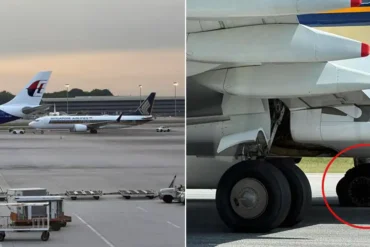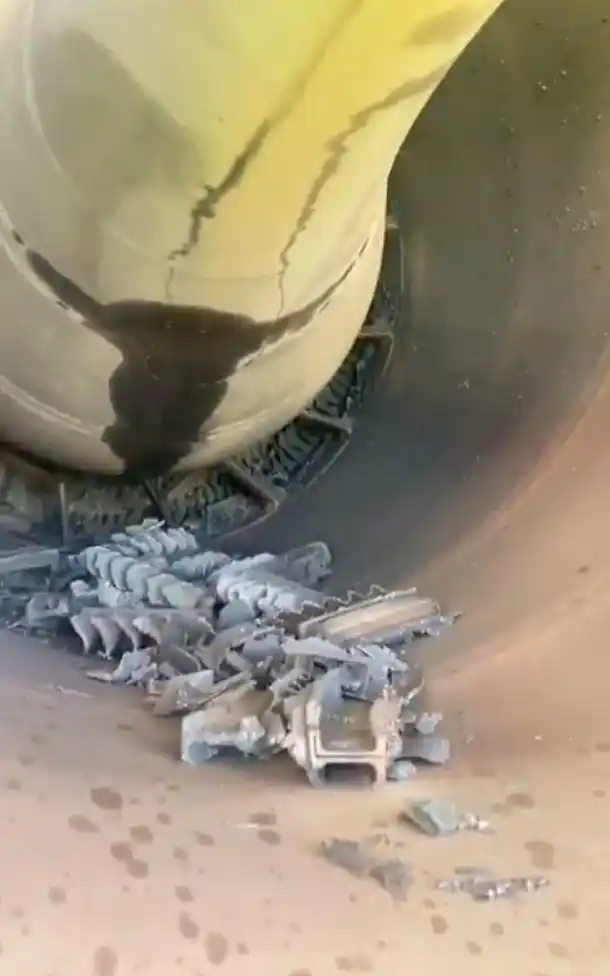
A terrifying incident unfolded in Italian airspace when an easyJet Airbus A320-200, en route from Milan Malpensa (MXP) to Lamezia Terme (SUF), suffered a severe internal engine failure during its descent. Flames reportedly erupted from the right-hand engine, triggering emergency protocols that ultimately allowed the aircraft to land safely. The event has since prompted scrutiny into the cause, aircraft safety procedures, and the robustness of the Airbus A320’s CFM56 engine family.
EasyJet Flight U2-3557’s Critical Moments Over Calabria
On Sunday, December 27, flight U2-3557 departed Milan slightly behind schedule at 8:13 am, ascending normally to 37,000 feet. As the aircraft began its descent over the Calabrian region of southern Italy, the calm journey was abruptly shattered. At approximately 6,000 feet, the No. 2 engine (CFM56-5B) on the right side suffered an intense internal failure, described by early reports as a disintegration event. Flames visibly emanated from the engine nacelle, startling passengers and air traffic controllers alike.
Engine Disintegration and Flight Crew Response
Sources including FL360aero and Aviation Herald noted that the engine failure was “severe” and possibly uncontained, though formal classification is still pending. In aviation, an uncontained engine failure implies parts penetrated the engine casing — a scenario with potentially dire consequences. However, it appears the situation was narrowly controlled. The experienced flight crew shut down the right engine immediately and entered a holding pattern, skillfully managing altitude from 6,000 to 3,000 feet while preparing for an emergency landing.
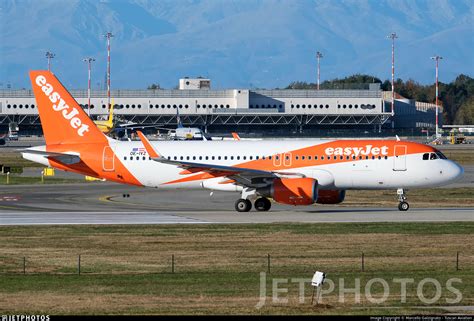
Despite the intensity of the event, the aircraft — a 10-year-old Airbus A320-200 registered OE-IVZ — touched down safely at Lamezia Terme Airport at 9:52 am, a mere two minutes behind schedule. The aircraft was met with emergency services, but no injuries were reported.
Aircraft History and Engine Details
The aircraft involved in the incident was originally delivered to easyJet UK as G-EZOC in February 2015 before being transferred to easyJet Europe in 2018 and re-registered as OE-IVZ. It has logged thousands of hours operating primarily on short- to medium-haul European routes.
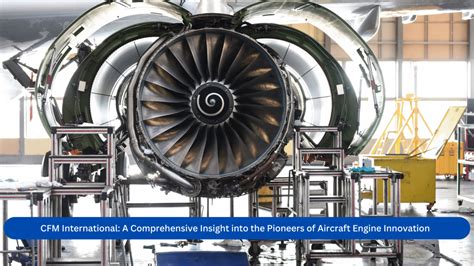
The engine in question, the CFM56-5B, is part of a long-established and widely used family of engines, powering many Airbus A320-family aircraft. While the engine is generally praised for its reliability, it has been involved in several isolated high-profile failures. The exact mechanism behind this specific failure is now under investigation.
Emergency Landing and Passenger Impact
Once safely on the ground, the A320 remained on the airport apron over the New Year period, undergoing detailed inspections and component analysis. The severity of the failure necessitated a complete engine replacement and subsequent system tests before the aircraft could be returned to service.
Passengers booked on the return leg (flight U2-3558) faced significant delays. Originally scheduled to depart at 10:40 am, the return flight eventually took off at 3:32 pm aboard a different aircraft (OE-ICF), arriving in Milan at 4:50 pm. EasyJet confirmed all passengers were rebooked and compensated, following standard EU regulations for delayed services.
Aircraft Return and Service Restoration
After spending days at Lamezia, OE-IVZ was ferried back to Milan without passengers as flight EC 9050 on January 3, departing at 3:29 pm and arriving at 5:15 pm. Maintenance crews conducted final assessments at Milan Malpensa Airport, and by the next day, the aircraft had rejoined the active fleet, operating regular flights to Palermo (Punta Raisi Airport).
Broader Safety Implications and Industry Context
The dramatic engine failure aboard OE-IVZ raises pertinent questions for easyJet, engine manufacturer CFM International, and aviation safety regulators. The European Union Aviation Safety Agency (EASA) is likely to review the incident data for patterns related to the CFM56 series, which, despite its sterling safety record, has experienced rare but significant failures in recent years.
Engine disintegrations during flight descent are particularly dangerous because the aircraft is in transition from high-speed cruise to lower-altitude maneuvering, making quick decisions even more critical. The calm professionalism of the flight crew aboard U2-3557 averted what could have been a disaster, highlighting the value of emergency training protocols and checklists.
Historical Precedents and Nearby Incidents
Italy has witnessed several recent aviation engine incidents. In July 2025, a tragic case involved an unauthorized individual being sucked into an Airbus A319 engine at an Italian airport — a stark reminder of the risks associated with jet propulsion and ground operations.
Though vastly different in cause and outcome, such events often bring public scrutiny and regulatory reviews. Industry experts anticipate that easyJet and CFM will issue detailed technical briefings as investigations continue, likely with temporary advisories for other A320 aircraft undergoing similar engine cycles or time-in-service milestones.
Summary of Key Technical and Operational Facts
- Aircraft: Airbus A320-200 (OE-IVZ)
- Flight: easyJet U2-3557, Milan (MXP) to Lamezia Terme (SUF)
- Date: Sunday, December 27
- Engine: CFM56-5B (Right-hand engine, Engine No. 2)
- Failure Type: Severe internal failure; flames observed; possible uncontained
- Altitude at Incident: Descending from 6,000 to 3,000 feet
- Landing Time: 9:52 am, two minutes behind schedule
- Return Flight Disruption: Delayed by nearly 5 hours, re-accommodated on OE-ICF
What Comes Next for EasyJet and Industry Watchers
While the immediate crisis has passed, the long-term implications are yet unfolding. easyJet’s engineering teams, alongside third-party investigators, are expected to release findings about the root cause of the failure. Whether the issue lies in metal fatigue, manufacturing defects, or external debris ingestion, the findings could lead to technical directives affecting broader fleets.
Passengers, meanwhile, continue to show confidence in easyJet’s operational record. The airline’s handling of this emergency — from pilot response to passenger re-accommodation and fleet management — reflects a well-drilled system that prioritized safety without compromise.
Aviation professionals and enthusiasts alike will be watching closely as analysis unfolds. The CFM56-5B engine, a pillar of modern narrowbody aviation, faces a new chapter of intense examination — not because of its frequency of failure, but because of the stakes involved every time an aircraft takes to the sky.