Low-cost airlines have long depended on ancillary revenue to offset razor-thin ticket margins, transforming optional extras into a central pillar of the modern budget travel business model. From seat selection fees to priority boarding and checked luggage charges, these additional purchases have become deeply embedded in the economics of European aviation. Yet as airlines push harder to maximize revenue beyond the base fare, regulators are beginning to scrutinize whether passengers are always being treated fairly during the booking process.
That scrutiny is now intensifying around easyJet, after Italian antitrust authorities launched a formal investigation into how the carrier presents baggage add-ons to travelers. The probe focuses on allegations that the airline’s booking interface may steer customers toward more expensive bundled purchases, potentially causing passengers to pay for extras they neither intended to buy nor fully understood during checkout.
The controversy highlights a broader issue facing the airline industry in 2026: the increasingly blurred line between optional convenience and manipulative digital sales design. Regulators across Europe are paying closer attention to the methods airlines use to market ancillary products, especially when pricing structures become difficult for ordinary passengers to interpret quickly while booking flights online.
Italian Authorities Examine easyJet’s Default Baggage Bundles
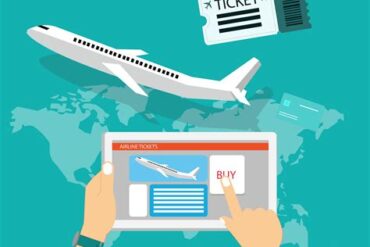
According to reports surrounding the investigation, Italian regulators are concerned that easyJet’s booking system automatically promotes bundled baggage options as the default selection when customers attempt to add luggage or sports equipment to a reservation. Travelers who want only a single baggage option reportedly must manually override the suggested package, a step authorities believe some customers may overlook entirely.
The concern is not simply about the existence of optional bundles, which are common throughout the airline sector. Instead, investigators are examining whether the way these offers are displayed could mislead passengers into believing the bundled choice is either mandatory or financially superior when that may not actually be the case.
Particular attention has reportedly been directed toward how pricing information is shown during round-trip bookings. Italian officials believe the system may present average pricing figures that could create confusion for travelers flying one-way routes or passengers checking luggage only on one segment of a journey. In those situations, customers may incorrectly assume the displayed prices apply uniformly across all travel scenarios.
The investigation will ultimately seek to determine whether the booking process lacks sufficient transparency or obscures important pricing distinctions that could influence purchasing decisions. Such cases are becoming increasingly significant as regulators across the European Union adopt a tougher stance toward online consumer protection and digital sales practices.
easyJet has responded cautiously to the investigation, stating that it will cooperate fully with Italian authorities while reviewing the details of the notice and evaluating its next steps. The airline also maintains that its practices comply with applicable consumer protection laws and that transparency remains a priority throughout the booking experience.
The Growing Importance of Ancillary Revenue in Budget Aviation
The case underscores just how dependent low-cost airlines have become on ancillary revenue streams. Budget carriers advertise highly competitive headline fares, but profitability often depends on convincing passengers to purchase add-ons after the initial ticket selection.
For airlines like easyJet, these supplementary purchases include:
- Checked baggage
- Larger cabin bags
- Seat assignments
- Priority boarding
- Sports equipment fees
- Excess baggage charges
- Flexible booking upgrades
Over the past decade, ancillary revenue has evolved from a supporting income stream into one of the most critical financial engines in low-cost aviation. The pressure to grow these revenues intensified after years of rising fuel prices, operational disruptions, labor cost increases, and fluctuating travel demand across Europe.
As a result, airline booking systems have become highly optimized sales environments designed to encourage additional spending at nearly every stage of the purchasing process. Critics argue that some carriers increasingly rely on behavioral design techniques that subtly nudge travelers toward higher-cost options.
Supporters of the model counter that ancillary pricing allows passengers to customize travel according to their actual needs, preventing travelers without luggage from subsidizing those carrying multiple bags. This argument has been central to the low-cost airline industry for years and remains one of its strongest defenses against criticism over extra fees.
easyJet’s Current Baggage and Sports Equipment Fees
While baggage pricing on easyJet varies according to route, demand, and booking timing, the airline publicly states that customers are shown the exact applicable price during the purchase process. The variability itself is not unusual within the airline industry, where dynamic pricing now influences nearly every component of a reservation.
However, some fees remain standardized across routes. Small sports equipment items currently cost £42 when booked online and £52 when paid for at the airport. Larger sports equipment pieces cost £50 online and £60 at airport counters.
Passengers exceeding their purchased baggage weight allowance also face additional charges. easyJet currently applies a £12 per kilogram fee for excess weight, making overweight luggage one of the most expensive mistakes travelers can make at check-in.
The structure of these fees reflects the broader airline strategy of encouraging passengers to finalize purchases online before arriving at the airport, where operational handling costs are significantly higher.
Regulatory Pressure on easyJet Continues Across Europe
The Italian investigation is not the first time easyJet has faced regulatory scrutiny over ancillary advertising practices in 2026. Earlier this year, advertising authorities in the United Kingdom challenged claims made on the airline’s website regarding cabin baggage pricing.
The dispute centered on promotional language advertising cabin bag additions “from £5.99.” Although technically accurate on a limited number of routes, regulators argued that many consumers would interpret the statement as broadly representative of typical pricing availability. Authorities concluded that the wording could create unrealistic expectations for travelers booking flights on more expensive routes or dates.
Following that scrutiny, easyJet revised the language displayed on its website to reduce the potential for confusion. The episode demonstrated how closely regulators are now monitoring airline pricing communications, especially when low advertised figures are attached to highly variable products.
For Europe’s low-cost carriers, the message from regulators is becoming increasingly clear: ancillary revenue strategies may remain essential, but transparency in how those products are marketed is rapidly becoming just as important as the fees themselves.