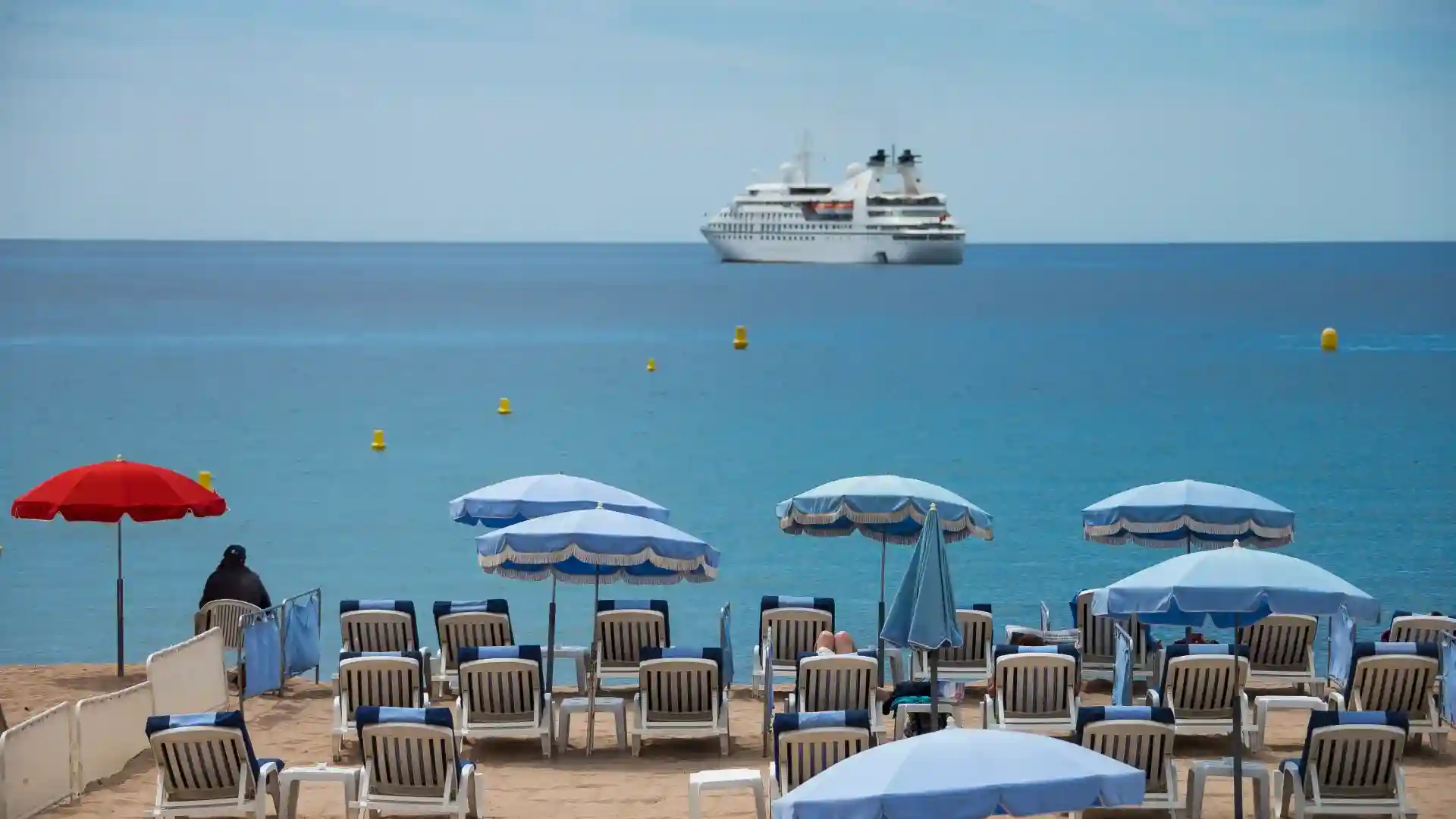
In a significant move aimed at combating the rising concerns of over-tourism, the city of Cannes, located on the stunning French Riviera, has announced a cap on the number of cruise passengers allowed to disembark. This new regulation, set to take effect in 2026, is expected to have profound implications for both the local economy and the tourism landscape. Renowned for its golden beaches, glamorous events such as the Cannes Film Festival, and its luxurious appeal, Cannes has long been a hotspot for tourists, particularly those arriving via cruise ships. However, as the city grapples with the adverse effects of overcrowding and environmental degradation, this new cap marks a bold and necessary step towards managing visitor numbers while preserving the local environment and enhancing the quality of life for residents.
The Rise of Over-Tourism in Cannes
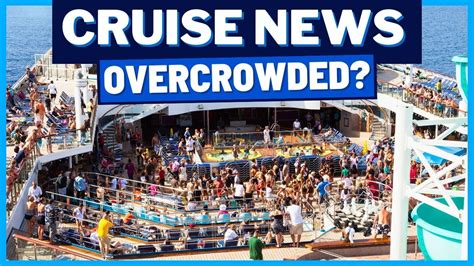
Cannes, a city that attracts millions of visitors each year, has increasingly become a victim of its own success. With approximately three million tourists flocking to the city annually, many arriving via cruise ships, the city has struggled to maintain a balance between tourism and sustainability. In 2024, alone, an overwhelming 460,000 cruise passengers descended upon Cannes, leading to significant overcrowding, environmental degradation, and strain on local infrastructure. The issue of over-tourism has been exacerbated by the influx of massive cruise ships, many carrying more than 5,000 passengers at a time. According to the French Ministry of Culture and the Environment, over-tourism poses a serious risk to cultural heritage sites, natural resources, and the well-being of local communities. As a response, numerous destinations, including Cannes, have actively explored ways to regulate and reduce visitor numbers, particularly in areas already experiencing high tourist volumes.
The Cap: What Does It Mean for Tourism?
Starting in 2026, Cannes will implement a cap limiting the daily disembarkation of cruise passengers to 6,000. Furthermore, the city plans to reduce the number of mega-ships capable of carrying over 5,000 passengers by nearly half—specifically, by 48 percent. This reduction is a crucial step towards achieving the long-term goal of banning all vessels that carry more than 1,300 passengers by 2030. The Cannes City Council announced this decision, which has garnered support from both the Ministry of Tourism and the Ministry of the Environment.
For travelers planning to visit Cannes, this decision signifies a dramatic shift in how the city will be approached. While it will undoubtedly alleviate congestion caused by massive cruise ships, it may also alter the demographic of tourists visiting the area. Smaller ships and more selective cruise routes could attract a different kind of traveler, thereby potentially changing the dynamics of local commerce, restaurants, and attractions. This initiative forms part of a broader effort by the French government to tackle over-tourism across the nation. France has been at the forefront of implementing sustainability initiatives in tourism, and the French Riviera, home to popular cities like Nice, Monaco, and Cannes, has been a key focus of this initiative.
What Does This Mean for UK Holidaymakers?
The cap on cruise passengers will likely impact UK holidaymakers the most, given that the UK remains one of the largest sources of international visitors to France. According to data from the French Ministry of Tourism, British tourists accounted for nearly 30 percent of all foreign visitors to the French Riviera in 2024. Many of these visitors favor cruise ships, particularly those seeking the luxury and convenience of cruise vacations along the Mediterranean coast. The reduction in cruise passengers will likely lead to fewer options for travelers from the UK, especially those who prefer the ease of large-scale cruise ships for their French Riviera holidays. While some might view this as a setback, others may embrace the changes, shifting towards more eco-conscious travel options, such as smaller, more sustainable ships or even land-based vacations.
The Impact on Local Economy and Residents
While tourists are essential to Cannes’ economy, the surge in visitor numbers has exerted considerable pressure on local infrastructure and services. Residents have expressed concerns regarding the challenges posed by over-tourism, which include traffic congestion, pollution, and the dilution of the city’s authenticity as it increasingly caters to tourists. The French government’s response aligns with its broader commitment to sustainable tourism. Efforts to curb over-tourism are not new; other cities worldwide, including Venice, Barcelona, and Amsterdam, have implemented similar measures to protect their cultural heritage and local communities. The key challenge for Cannes will be finding a balance between maintaining its tourism industry—one of the primary drivers of the local economy—and safeguarding the quality of life for residents.
For businesses in the tourism sector, the transition towards fewer cruise passengers may initially result in revenue losses. However, this initiative could attract a more sustainable and higher-spending demographic in the long term, including eco-conscious travelers likely to contribute positively to the local economy.
The Road Ahead: Balancing Tourism and Sustainability
As Cannes sets its sights on achieving these ambitious goals, the city stands as a model for other popular destinations grappling with similar issues. By prioritizing sustainability and mitigating the impact of tourism on the environment, the French Riviera can continue to be one of Europe’s premier vacation spots while preserving its natural beauty for future generations. This delicate balance will necessitate ongoing efforts from both public and private sectors to create a tourism model that benefits locals and visitors alike.
For those who have long dreamed of visiting Cannes or returning for another vacation, it’s crucial to stay informed about the upcoming changes and adjust plans accordingly. While the cap on cruise passengers may initially seem restrictive, it represents a significant step towards ensuring that the allure of the French Riviera is maintained for years to come—without compromising the well-being of its residents or the integrity of its environment.