Thailand has made significant changes to its alcohol legislation in 2025, aiming to better align with modern tourism trends while promoting responsible consumption and public safety. These updates, effective from June 27, reflect a proactive approach by the Thai government to create an environment that is both accommodating for tourists and mindful of local community standards. With millions of international visitors flocking to Thailand each year, the necessity for clearer regulations on alcohol sales and consumption has become more pressing than ever.
The revised laws introduce specific timeframes for alcohol sales, which now operate under the following guidelines: alcohol can be sold from 11:00 AM to 2:00 PM and again from 5:00 PM until midnight. This framework remains consistent with previous regulations; however, the latest updates include exemptions for certain locations, thereby enhancing the flexibility and operational capacity of the hospitality sector. The modifications highlight a dual commitment to promoting tourism while ensuring that safety and social norms are upheld.
Newly Exempted Locations for Alcohol Sales
Under the newly instituted regulations, several types of establishments have been granted exemptions that allow them to sell alcohol outside the standard restricted hours. These include:
- Hotels: Registered hotels compliant with Thailand’s Hotel Act can serve alcohol at any time to their guests. This significant policy change caters to the diverse needs of international travelers, many of whom arrive from different time zones and may wish to enjoy beverages at various hours.
- International Airport Terminals: Duty-free zones and licensed venues within international airports that serve outbound travelers are also permitted to sell alcohol outside the regular hours. This exemption acknowledges the unique demands of global travel and the expectations of tourists.
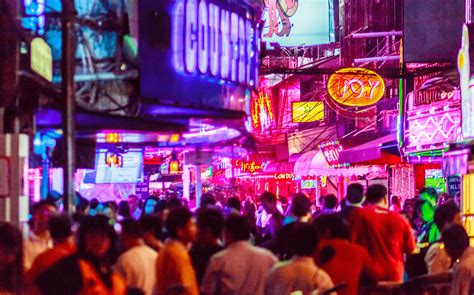
- Licensed Entertainment Venues: Establishments recognized as entertainment venues, such as nightclubs and bars, can offer alcohol sales beyond the restricted hours. This provision is particularly relevant in major tourist hotspots like Bangkok, Phuket, and Pattaya, where vibrant nightlife forms a core part of the visitor experience.
These adjustments not only clarify the rules for tourists but also provide essential operational guidelines for businesses, fostering consistency and understanding across the hospitality industry.
Strict Regulations on Railway Transport
While some venues have gained greater freedom in alcohol sales, the Thai government has maintained strict regulations concerning the sale and consumption of alcohol on the country’s railway network. Alcohol consumption and possession are completely banned on all trains and at railway stations nationwide. The rationale behind this firm stance is to ensure that public transport remains safe and family-friendly, free from disruptive behaviors associated with excessive drinking.
Key points regarding railway alcohol rules include:
- No alcohol consumption on trains: Passengers are prohibited from consuming alcoholic beverages while traveling on trains.
- Prohibition at railway stations: The possession or sale of alcohol within railway stations is strictly forbidden, with violators facing potential fines or legal repercussions.
- Exception at Bangkok Railway Station: A notable exception exists at Bangkok’s Hua Lamphong Railway Station, where alcohol may be allowed during officially sanctioned events in designated areas. Such events must be pre-approved by the Ministry of Public Health and adhere to strict guidelines, including age restrictions and health compliance.
Legal Framework and Enforcement
The updates to Thailand’s alcohol laws were enacted under the authority of the Alcoholic Beverage Control Act B.E. 2551 (2008). The new regulations were designed to promote tourist safety, ensure clear communication, and adapt to the practical realities of the hospitality environment. The Prime Minister’s Office and the Ministry of Public Health are responsible for overseeing the implementation and enforcement of these laws, emphasizing their commitment to balancing tourism growth with public welfare.
Guidance for Tourists Visiting Thailand
As Thailand continues to attract travelers from around the globe, it is crucial for visitors to familiarize themselves with the updated alcohol laws to avoid any legal complications. Here are some essential guidelines:
- Respect Alcohol Sales Hours: Outside exempted locations like hotels and airports, purchasing or consuming alcohol during restricted hours remains illegal. Convenience stores, restaurants, and supermarkets must halt alcohol sales between 2:00 PM and 5:00 PM and after midnight.
- Know the Venue Type: Before ordering alcohol, verify if the establishment qualifies for exemption. Some bars may lack the necessary entertainment venue license, and consuming alcohol during restricted hours could lead to fines.
- No Alcohol on Trains or in Stations: Alcohol is strictly prohibited on trains and within railway station properties, except during specific events at Bangkok’s central station.
- Do Not Drink and Drive: Thailand enforces stringent DUI laws, and driving under the influence can lead to arrest, fines, or even deportation for foreign nationals. Visitors are encouraged to utilize taxis, ride-hailing services, or public transportation when consuming alcohol.
- Confirm with Hotel Staff or Hosts: If uncertain about the availability of alcohol at hotels or events, ask staff for guidance. Most reputable establishments will be well-informed about current regulations.
Impact on Tourism and Hospitality Sector
These legislative changes are a reflection of Thailand’s ongoing efforts to balance economic development in tourism with the imperative of public safety. The new regulations aim to provide clarity for businesses while facilitating a safer environment for travelers. Hotels and airport establishments can now cater more effectively to guests with varying schedules, while nightlife operators benefit from clearer guidelines on permissible sale hours. Moreover, the strict regulations governing public transport and daytime alcohol availability serve to mitigate excessive drinking and reduce disturbances in public spaces.
The new framework is anticipated to yield several positive outcomes, including:
- Supporting tourism operators in planning safe and legal services.
- Reducing legal ambiguities for travelers regarding alcohol consumption.
- Minimizing alcohol-related incidents in public spaces, thus enhancing overall safety.
- Protecting cultural sensitivities and ensuring respect for local communities.
A Modern and Responsible Thailand
With a keen eye on global standards, Thailand’s updated alcohol regulations signify a maturation of its tourism ecosystem. By aligning law enforcement with the practical needs of its hospitality sector, the country is paving the way for a safer, more transparent, and welcoming environment for international visitors. Authorities have hinted at the possibility of further travel-related policy updates in the near future, particularly in anticipation of large-scale international events and seasonal tourism peaks in 2026 and beyond.
Travelers are urged to stay informed, act responsibly, and immerse themselves in Thailand’s rich cultural offerings while adhering to local laws and customs. Thailand’s revised alcohol policies represent a forward-thinking shift toward responsible tourism that balances the nation’s hospitality strengths with vital public safeguards. With clearer sales exemptions, stringent railway restrictions, and supportive legal frameworks, the new regulations not only enhance visitor experience but also help preserve the social and cultural integrity of this iconic destination. As one of Asia’s most sought-after travel locations, Thailand continues to evolve while ensuring that tourism remains safe, enjoyable, and respectful for everyone.