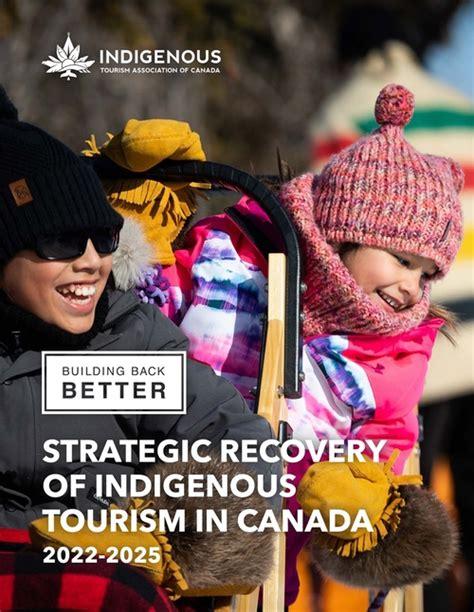
The Indigenous Tourism Association of Canada (ITAC) has made a significant announcement that heralds a new era for Indigenous tourism across the nation. On June 22, 2025, ITAC unveiled its 2025-26 Operational Plan, marking a crucial milestone as the association celebrates its 10-year anniversary. This operational plan is not merely a set of objectives; it is a bold commitment to revitalizing Indigenous tourism, which has faced numerous challenges, especially in the wake of the global pandemic. The association has secured a remarkable seven-year investment exceeding $35 million annually aimed at bolstering Indigenous tourism businesses and tackling the pressing issues that this sector faces. Central to this strategic vision is an ambitious goal: to restore Indigenous tourism’s contribution to Canada’s GDP to $1.7 billion, a figure that was achieved in 2018.
As part of the operational plan, ITAC is setting its sights on expanding the Indigenous tourism sector significantly. The target is to grow the number of Indigenous tourism businesses to 2,700 and generate a staggering $6 billion in annual contributions to Canada’s GDP by the year 2030. Achieving these goals necessitates considerable growth not only in the number of businesses but also in workforce participation. The path ahead is filled with opportunities, and ITAC is poised to lead the way.

Indigenous Tourism Growth: A Look at Current Achievements
As of 2023, the landscape of Indigenous tourism in Canada has shown impressive advancements. The sector is currently home to 2,757 Indigenous-owned and operated tourism businesses, contributing approximately $1.3 billion to Canada’s GDP and providing employment to over 34,700 individuals across the country. These statistics underscore the resilience of the Indigenous tourism sector, which has demonstrated remarkable potential despite the numerous challenges posed by the global tourism industry.
Keith Henry, the President & CEO of ITAC, expressed a profound sense of optimism regarding the future of Indigenous tourism. He stated, “With unprecedented funding now secured, ITAC is poised to set Indigenous tourism in Canada on a bold new path. As global and domestic travelers seek more meaningful and authentic experiences, we have an untapped opportunity to lead. Our 2025-26 Operational Plan outlines the ambitious steps forward that will attract new partners, boost sustainable growth, and ensure Indigenous tourism thrives from coast to coast to coast.”
Four-Pillar Approach to Industry Transformation
The success of ITAC in fostering the growth of Indigenous tourism is firmly anchored in its four-pillar approach to business, which will continue to shape the association’s initiatives throughout 2025-26. Each pillar plays a vital role in ensuring the long-term sustainability and growth of the sector:
- Leadership: ITAC plans to invest $1.2 million to advocate for its members nationwide. Serving as the national voice for Indigenous tourism, ITAC aims to strengthen its representation at provincial and territorial levels, garnering support from government funders and stakeholders. Additionally, the association will bolster its international alliances to promote Indigenous tourism globally, including enhancing partnerships with organizations like Destination Original Indigenous Tourism.
- Partnerships: With an allocation of $2.9 million, ITAC seeks to unify the Indigenous tourism sector in Canada by promoting collaboration among members, provinces, territories, and national organizations. Key activities will include expanding participation in the Indigenous Tourism Destination Fund and engaging more stakeholders in the Truth2Action Indigenous Tourism Reconciliation training. Notably, ITAC is set to host the 2026 International Indigenous Tourism Conference in Edmonton, Alberta, further establishing Canada’s position as a global leader in Indigenous tourism.
- Development: An ambitious investment of $17.1 million is earmarked for implementing Indigenous-led solutions aimed at enhancing market readiness for members. This investment will address labor market challenges, strengthen provincial and territorial Indigenous tourism associations (PTITOs), and allocate $3 million to empower these associations in supporting their members directly. ITAC also plans to collaborate with educational institutions to raise awareness about Indigenous tourism while launching new initiatives to enhance Indigenous employment opportunities within the sector.
- Marketing: A cornerstone of the 2025-26 Operational Plan is ITAC’s marketing strategy, with a dedicated $4.8 million investment aimed at promoting Indigenous tourism both domestically and internationally. Through innovative Indigenous-led marketing campaigns, ITAC will collaborate with destination marketing organizations and leverage resources from Destination Canada. The Destination Indigenous Pavilion at Rendez-vous Canada will be activated to showcase the diversity and strength of the Indigenous tourism sector, drawing attention to its unique offerings.
A Vision for the Future of Indigenous Tourism
The 2025-26 Operational Plan goes beyond mere revitalization; it embodies a vision for constructing a sustainable and thriving industry that provides meaningful economic opportunities for Indigenous communities across Canada. The objectives outlined in the plan align seamlessly with ITAC’s overarching mission to ensure that Indigenous tourism remains a pivotal driver of Canada’s national economy while fostering cultural preservation and respect for Indigenous heritage.
Henry emphasized the profound impact of Indigenous tourism, stating, “Indigenous tourism is more than just a growing industry; it is a means of empowering Indigenous communities and promoting reconciliation across Canada. Through this operational plan, we are investing in the future of Indigenous tourism and ensuring that it remains a cornerstone of Canada’s cultural identity for generations to come.” This commitment to developing sustainable tourism experiences that honor Indigenous traditions and cultures is central to ITAC’s strategy.
Conclusion: Setting a Bold Path Forward
In summary, the Indigenous Tourism Association of Canada’s 2025-26 Operational Plan serves as a transformative blueprint for the future of the Indigenous tourism sector in Canada. With unprecedented financial support, ITAC is well-positioned to meet its ambitious goals of creating more businesses, jobs, and economic contributions while empowering Indigenous communities. As global travelers increasingly seek authentic experiences and deeper cultural understanding, ITAC is primed to lead the charge, ensuring that Indigenous tourism in Canada evolves into a sustainable, flourishing industry for years to come.