Manchester Airports Group (MAG) has reached a watershed moment in its history, crossing the 65 million passenger threshold over a 12-month period ending in May 2025. This historic achievement underscores not only the resurgence of air travel in the United Kingdom but also MAG’s role as a central hub for both domestic and international connectivity. Encompassing Manchester Airport, London Stansted, and East Midlands Airport, MAG’s triumphant numbers reflect the culmination of sustained operational excellence, strategic airline partnerships, and a forward-looking vision.
This milestone was marked not merely by numerical triumph but by the launch of an unprecedented five-year Sustainability Strategy, which is poised to reshape the environmental blueprint for the UK’s aviation sector. The dual announcement cements MAG as a pioneer in passenger growth and sustainable development—two pillars critical to the future of air travel.
Passenger Growth Surges Across MAG Airports
MAG’s passenger numbers soared to a record 65.5 million over the 12-month period—a 5.3% year-on-year increase. This performance is even more striking when placed against the backdrop of a traditionally busy season: May 2025 alone saw 6.1 million passengers passing through the group’s three airports, up 2.9% compared to May 2024.
At the heart of this performance was Manchester Airport, which emerged as the group’s standout performer. The airport welcomed over 2.9 million passengers in May 2025, representing a 5% increase year-on-year. More importantly, it marked the 20th consecutive month of breaking its own passenger traffic records. Its rolling 12-month total climbed to 31.5 million, reflecting 7.7% growth compared to the previous year.
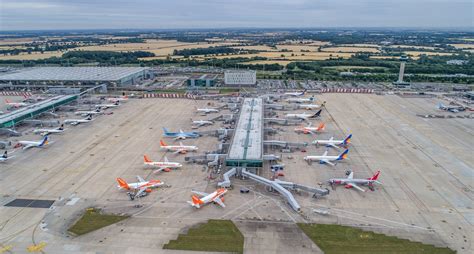
London Stansted, MAG’s gateway to Europe and a pivotal hub for budget carriers, recorded 2.7 million passengers in May, a 0.8% rise year-on-year. The airport’s 12-month tally hit 29.9 million, growing 4% over 2024.
East Midlands Airport, though smaller in size and focused on both passenger and freight movement, posted 447,000 travelers for May—a 2.7% increase over May 2024. However, its rolling 12-month total remained relatively flat at 4 million, showing a 2.8% decrease year-on-year, hinting at market challenges in that specific region.
Operational Efficiency Sets a New Standard
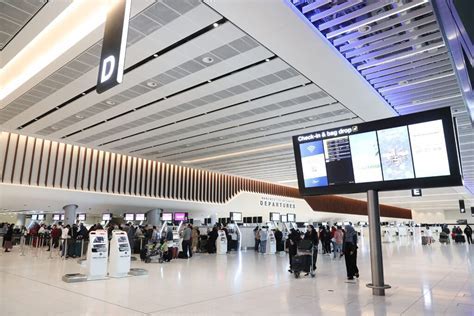
Beyond headline passenger numbers, MAG excelled in operational delivery—a factor that often goes unnoticed until it falters. During the May travel peak, the group ensured 99% of all passengers cleared security in under 15 minutes, a figure that significantly boosts traveler satisfaction and airport reputation. Such performance metrics are not coincidental but are the product of consistent investment in automation, staffing, and queuing algorithms.
This commitment to seamless operations is crucial, particularly during high-demand travel periods. With a growing number of passengers expecting quick, touchless, and secure movement through airports, MAG’s efficiency has become a competitive differentiator that other UK airports must now strive to match.

Cargo Growth Reinforces MAG’s Strategic Position
While passenger traffic is a visible metric of success, cargo movement reveals the broader economic relevance of an airport. MAG’s strategic positioning as both a travel and logistics hub was reaffirmed in May with substantial growth in cargo volumes across its airport network.
East Midlands Airport, the UK’s largest dedicated cargo airport, saw cargo volumes jump 9.7% year-on-year, handling more than 34,000 tonnes. This growth was supercharged by the onboarding of Atlas Air and Yun Express, two international operators that have now established freight services to China—a crucial trade corridor.
At Manchester Airport, cargo volumes reached 7,527 tonnes, marking a 5.2% annual increase, while London Stansted handled 29,021 tonnes, registering 7.1% growth over the prior year. This broad-based cargo expansion illustrates MAG’s growing capacity to support global supply chains, especially as e-commerce and just-in-time manufacturing demand faster, more efficient air freight solutions.
Sustainability Plan Charts a Bold New Course
May wasn’t just a month of records for MAG—it was a transformational inflection point. The group launched its five-year Sustainability Strategy, titled “Creating a Sustainable Future for All,” a document that signals MAG’s evolution from a growth-oriented organization to a climate-conscious aviation leader.
The plan outlines a net-zero carbon operations goal by 2038, aligning MAG with the UK’s national climate objectives and elevating its status among global airport groups. Central to the strategy are three interconnected pillars: decarbonisation, nature conservation, and community impact.
- Decarbonisation: MAG has committed to accelerating the transition to electric ground handling equipment, investing in hydrogen-ready infrastructure, and facilitating sustainable aviation fuel (SAF) uptake among airlines.
- Nature Conservation: The plan includes initiatives to enhance biodiversity across airport landholdings, support rewilding projects, and implement green roofing and rainwater harvesting in terminal design.
- Community Investment: Perhaps the most socially resonant commitment is MAG’s pledge to invest £1.5 million into surrounding communities by 2030, funding educational initiatives, environmental programs, and local economic development.
Manchester Airport’s Pivotal Role in UK Aviation
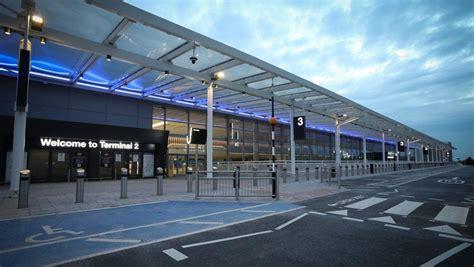
As MAG’s flagship asset, Manchester Airport stands at the heart of the UK’s regional aviation future. Its continued passenger growth and cargo expansion signal a renaissance for northern connectivity, often overshadowed by the dominance of Heathrow and Gatwick. With significant investments in Terminal 2’s redevelopment, expanded runway infrastructure, and a growing portfolio of long-haul destinations, Manchester is evolving into a credible secondary hub for transatlantic and Middle Eastern traffic.
This ascent is not merely quantitative. Manchester’s capacity for sustainable airport operations, tested and validated during the May surge, positions it as a model for future-ready, climate-conscious hubs.
Challenges Ahead: Managing Growth with Responsibility
Despite the glowing metrics and strategic planning, MAG must navigate a complex terrain. Air traffic control constraints, airline staffing shortages, and volatile fuel costs all pose potential headwinds. Additionally, the broader aviation industry is under pressure to rapidly reduce emissions, even as passenger numbers rise.
MAG’s new sustainability plan offers a roadmap, but it will require multi-stakeholder collaboration, from airlines and fuel suppliers to government regulators and local communities. The group’s transparency in publishing its environmental goals—and holding itself accountable to timelines—will be key to maintaining credibility.

Looking to the Future: MAG’s Blueprint for Sustainable Growth
The dual announcements in May 2025—record passenger and cargo figures alongside a bold sustainability vision—mark a pivotal moment for MAG. The group is no longer just a regional operator but a national infrastructure asset with the power to shape UK aviation for decades to come.
By committing to both growth and responsibility, MAG provides a template for how airport groups can lead in a post-carbon world. It demonstrates that capacity expansion and climate action need not be mutually exclusive. Instead, they can—and must—coexist for the future of global travel.
As the UK continues to redefine its place in international aviation post-Brexit and post-pandemic, MAG’s holistic model of operational excellence, cargo diversification, and environmental stewardship will likely influence policymakers, airline partners, and competitors alike.
The numbers are impressive, yes—but the narrative MAG is crafting goes far beyond statistics. It is about transforming airports from transit hubs into agents of economic empowerment and environmental renewal.