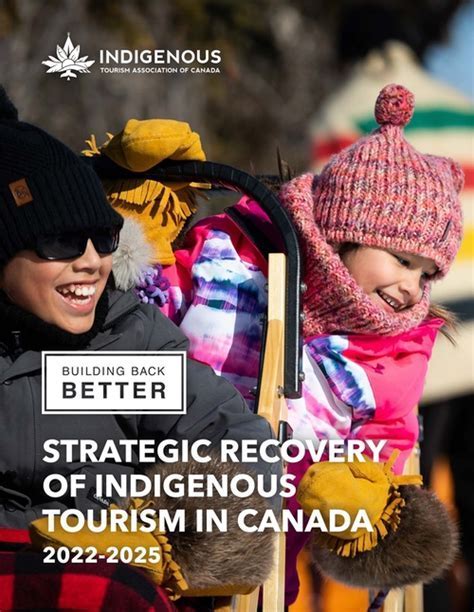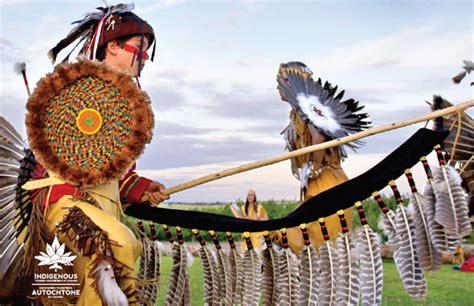
Indigenous tourism businesses in Canada are grappling with significant challenges as a decline in American tourists and a reduction in federal support converge to create a precarious landscape. This downturn is particularly detrimental for Indigenous-owned enterprises, which have historically relied on the US market as a primary source of clientele. The current situation has resulted in cancellations and reduced bookings, leaving many operators struggling to stay afloat. One stark example of this trend can be seen in an Indigenous fishing adventure company located in British Columbia, renowned for its exceptional fishing trips on the Fraser River. Recently, this company experienced the cancellation of several high-value bookings from US clients, an alarming development given the extensive planning and investment dedicated to these packages. Such cancellations are not merely inconveniences; they represent a lost opportunity that many Indigenous tourism businesses can ill afford. The decline in American travelers is compounded by broader geopolitical tensions, which have resulted in shifting travel advisories, tariffs, and strained relations between Canada and the United States, all contributing to a notable reduction in international travel.
According to the Indigenous Tourism Association of Canada (ITAC), bookings from the United States are projected to drop by nearly 70% compared to the previous year. This concerning statistic has raised alarms among Indigenous tourism operators, many of whom fear a repeat of the hardships faced during the COVID-19 pandemic. The pandemic had already devastated the sector, leaving it struggling for years to regain its footing. The adverse impact on businesses across Canada cannot be overstated. Many Indigenous tourism companies depend heavily on the US market, which has traditionally constituted a significant portion of their clientele. These businesses benefit from not only the volume of bookings but also from the longer stays and higher spending that international guests typically bring.
Recent data reveals a troubling trend in overall tourism figures. In 2019, Indigenous tourism in Canada generated a staggering $4 billion in revenue; however, by 2023, that figure had dropped to approximately $3.7 billion. When adjusted for inflation, the real value is even lower. The industry had been optimistic about a rebound in the post-pandemic era, yet the emergence of new challenges—particularly dwindling US tourism and decreasing federal funding—has placed immense strain on Indigenous tourism operators.
Funding Cuts and Reduced Support
Federal support for Indigenous tourism has experienced a dramatic decline, further complicating an already dire situation. The ITAC, which plays a pivotal role in supporting Indigenous tourism businesses, has witnessed significant cuts to its funding. In the 2024 federal budget, ITAC received only $2.5 million, a mere fraction of the $33 million it had requested for operations and development. These cuts have resulted in layoffs and the suspension of support for provincial organizations, jeopardizing their future. Unfortunately, the trend of reduced support has persisted into 2025. For instance, funding from Indigenous Services Canada was slashed to $1.25 million, while contributions from Innovation, Science, and Economic Development Canada and Destination Canada were cut entirely, totaling a loss of approximately $4.55 million or around 68% in just one year. Indigenous tourism leaders have voiced their frustration over these funding cuts, arguing that the federal government’s rhetoric about the sector’s potential fails to align with the realities faced on the ground. While the government continues to promote Canada as an appealing destination, Indigenous tourism operators feel overlooked, despite their crucial role in the broader tourism landscape.
Declining International Arrivals
In conjunction with the decrease in US tourism, international arrivals to Canada are also experiencing a sharp decline. In March 2025, trips from US residents fell by 6.6% year-over-year, while overseas arrivals plummeted by 17.4%. This decline has further exacerbated the challenges faced by Indigenous tourism businesses, many of which rely on international tourists for their most lucrative bookings. In response to this alarming trend, ITAC has initiated domestic marketing campaigns, including the “Original Original” campaign, aimed at encouraging Canadians to explore Indigenous tourism offerings. While this effort is crucial for raising awareness among domestic travelers, it is unlikely to fully compensate for the lost revenue from international guests. Domestic tourists generally spend less and stay for shorter periods compared to international visitors, particularly those from the US.
New Pressures: Wildfires and Rising Costs
The difficulties facing Indigenous tourism businesses have been exacerbated by both environmental and economic pressures. In regions such as Manitoba, wildfires have necessitated evacuations, generating confusion among tourists and making it increasingly difficult for local businesses to operate. Lacking an emergency fund to support operators during such crises, these businesses find themselves vulnerable to both immediate and long-term consequences of natural disasters. Furthermore, the costs associated with doing business have risen sharply. Many Indigenous tourism operators have reported soaring insurance premiums, particularly following the pandemic, adding further strain to their financial stability. The escalating costs of fuel, food, and equipment are compounding the burden, making it increasingly challenging for businesses to remain viable.
Looking Ahead
The future of Indigenous tourism in Canada remains uncertain. Operators are left to navigate a landscape marked by lost bookings, diminishing federal support, and escalating operational costs. Without a robust commitment from the federal government to reinvest in Indigenous tourism and address the sector’s myriad challenges, many operators fear that the crisis will only deepen. Currently, operators cling to hope that domestic marketing efforts can mitigate some of the losses. However, true recovery hinges on a resurgence of international tourism, especially from the US, along with more substantial support from the Canadian government. As the sector confronts these multifaceted challenges, it is evident that Indigenous tourism in Canada requires a comprehensive and strategic approach to ensure its survival and long-term growth.