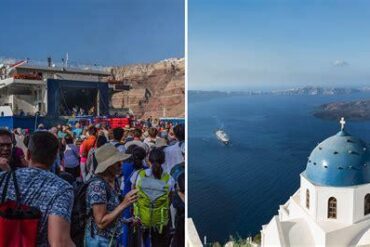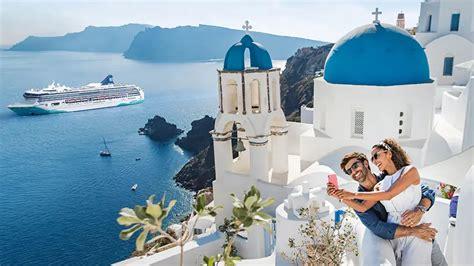
Greece has taken a decisive step toward sustainable tourism by introducing a tiered cruise tax ranging from four to twenty euros per passenger on the country’s most visited islands—Mykonos and Santorini. Effective from July 1, this new levy aims to address overtourism, alleviate the growing strain on local infrastructure, and ensure that cruise tourism contributes directly to the wellbeing of island communities. With soaring visitor numbers overwhelming daily life and essential services, this bold policy signals Greece’s firm commitment to protecting its iconic island destinations while funding long-term environmental and infrastructure upgrades.
A Strategic Move for Sustainable Tourism
In a strategic move to regulate the surge in cruise ship arrivals, Greece will launch a new cruise passenger fee starting July 1, aimed at addressing overtourism and supporting essential upgrades on its most visited islands. This strategic move targets two of the country’s most iconic and overcrowded destinations—Santorini and Mykonos—which experience overwhelming numbers of visitors during the summer months. The seasonal tax aims to ease pressure on fragile infrastructure, reduce environmental strain, and channel funds directly into local development projects.
Under the new tax framework, cruise ship passengers disembarking at Santorini or Mykonos during the peak summer travel season—from June 1 to September 30—will be charged €20 per person. This measure is designed to disincentivize over-saturation during the busiest tourist period, when these islands experience an unsustainable number of daily arrivals, particularly from large cruise ships. As tourism demand tapers off after the summer, the tax will be adjusted accordingly. From October 1 to October 31, considered the shoulder season, the tax will be reduced to €12 per cruise passenger. During the off-peak winter months—from November 1 through March 31—the fee will drop even further to €4 per person, reflecting both lower tourism volumes and reduced pressure on local services.
The cruise tax will also apply to other Greek ports across the country, though at significantly lower rates. Cruise passengers arriving at ports outside Santorini and Mykonos will be charged a maximum of €5 during the high season, €3 during the shoulder months, and just €1 in the low season. This tiered approach is intended to be fair and proportional, based on tourist volumes and the degree of infrastructural strain experienced by each location.
Addressing Overtourism with Sustainable Solutions
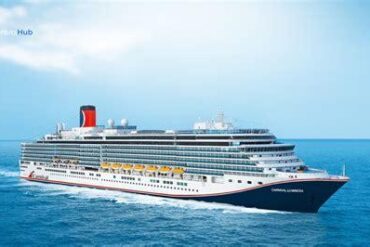
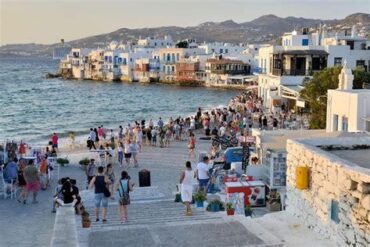
The introduction of this cruise passenger tax is part of Greece’s broader policy shift toward sustainable tourism, aimed at preserving the long-term viability of its most popular destinations. In recent years, Santorini and Mykonos have faced mounting challenges associated with mass tourism, including overcrowded streets, strained sewage and waste systems, limited water resources, and a rising cost of living for locals. Cruise tourism, in particular, has been identified as a major contributor to overtourism in these areas. Large cruise liners offload thousands of passengers within a short window of time, often overwhelming local transport, emergency services, and natural resources.
While cruise visits can bring economic benefits, critics argue that the short-term nature of cruise stops means minimal spending per visitor and increased costs to host communities. With this in mind, the Greek government has introduced the new tax as a mechanism to balance tourism income with sustainability goals. Revenue generated through this fee will be reinvested into port infrastructure, local tourism projects, and sustainability initiatives. Funds will also be allocated to support environmental protection efforts and ensure that local communities see tangible benefits from the cruise industry.
A Model for the Mediterranean?
Greece is not alone in facing the dilemma of how to manage cruise tourism sustainably. Other popular cruise destinations in the Mediterranean, including Venice, Dubrovnik, and Barcelona, have also introduced or proposed similar measures in recent years to cope with excessive tourist volumes. In Venice, for example, the city has implemented a visitor fee to control the number of day-trippers arriving by cruise. Greece’s model, however, stands out for its tiered, seasonal pricing structure and its geographic differentiation between highly impacted ports and less congested destinations. This flexible, data-driven approach could serve as a model for other countries grappling with similar challenges.
Local Reactions and Future Implications
Initial responses from local governments and tourism operators have been mixed but generally supportive. Officials on both Santorini and Mykonos have long expressed concerns about the unsustainable growth of cruise tourism and welcomed the additional funding the tax will bring. Some cruise operators, however, have raised questions about whether the tax might discourage cruise lines from including Greek islands in their itineraries. Nonetheless, tourism experts argue that quality over quantity is the new mantra for destination management, especially in post-pandemic travel planning. By focusing on visitor spending and sustainability rather than sheer numbers, Greece hopes to protect the long-term integrity and appeal of its world-famous islands.
The cruise passenger tax is one of several initiatives the Greek government is exploring as part of its National Strategy for Sustainable Tourism, which also includes investment in renewable energy for tourism businesses, stricter environmental regulations for tour operators, and incentives for spreading tourism beyond the summer months and popular hotspots.
Greece’s introduction of a seasonal cruise tax from four to twenty euros on Mykonos and Santorini to combat overtourism and protect local infrastructure marks a significant shift in how the country intends to manage its tourism economy. By placing a financial cost on peak-season cruise visits to saturated destinations like Santorini and Mykonos, the policy aims to curb the negative effects of overtourism, enhance infrastructure resilience, and deliver greater economic benefits to local communities. This new approach positions Greece as a leading voice in sustainable travel policy across Europe and the Mediterranean.