Cannes, one of the most iconic destinations on the French Riviera, is set to implement new cruise ship regulations in 2026, aiming to ensure sustainable tourism while maintaining its reputation as an exclusive and environmentally conscious location. The Cannes City Council has introduced restrictions that will limit the number of passengers disembarking each day and ban cruise ships with over 1,000 guests from docking at the port. These measures come in response to the growing concerns over the environmental impact of mass cruise tourism and the need to preserve the city’s aesthetic charm. By enforcing these restrictions, Cannes seeks to strike a balance between the economic benefits of cruise tourism and the preservation of its natural and cultural heritage.
Introducing New Restrictions for Cruise Ships
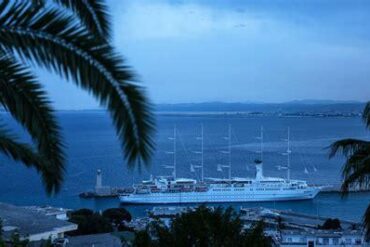
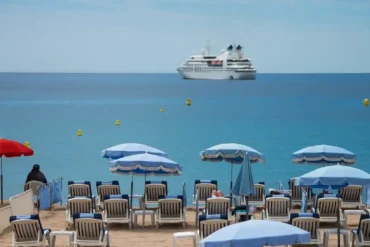
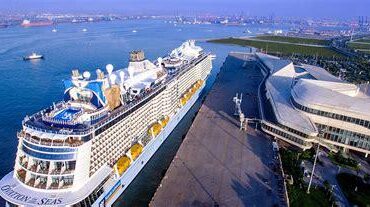
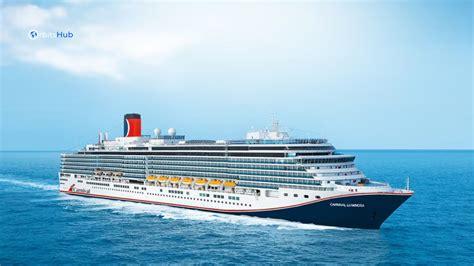
The new regulations are designed to curb the growing number of cruise ships arriving in Cannes. Under the new policy, vessels with over 1,000 passengers will no longer be permitted to dock in the harbor. Additionally, there will be a daily cap on the number of cruise passengers allowed ashore, limited to 6,000. Although larger ships will still be allowed to visit the city, they will not be able to dock at the port. Instead, these ships will anchor further out at sea, and smaller boats will transport passengers to shore. This policy mirrors existing procedures for the largest vessels, which are currently unable to dock due to port limitations.
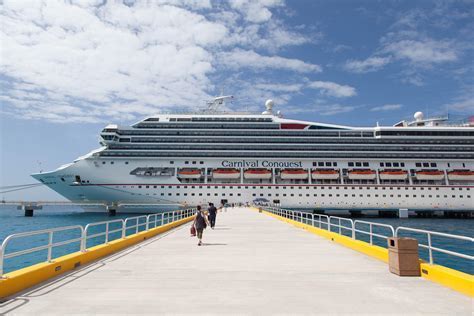
The emphasis behind these new guidelines is to reduce the number of larger ships while minimizing the environmental impact. Cannes aims to cultivate a cruise tourism model that is more manageable and sustainable. The City Council’s resolution outlines a vision for a cruise industry that is “less numerous, less big, less polluting, and more aesthetic,” aligning with global efforts to promote sustainable tourism practices in popular destinations.
Cannes as a Thriving Cruise Destination
Cannes, renowned for its world-famous film festival and glamorous Mediterranean ambiance, draws millions of tourists each year. While it remains one of the French Riviera’s most coveted destinations, the city faces increasing pressure from the volume of cruise ship traffic, with approximately 300,000 cruise passengers visiting annually. Around 10% of Cannes’ yearly visitors arrive by sea, contributing significantly to the local economy through spending on sightseeing, dining, and shopping. Cruise lines such as Royal Caribbean, MSC Cruises, Norwegian Cruise Line, and Virgin Voyages are frequent callers at the port.
This influx of tourists has played a vital role in supporting local businesses, especially within the hospitality sector. However, with the rapid growth in cruise tourism, concerns have arisen regarding the environmental toll of such large-scale tourism, including issues like pollution, overcrowding, and increased waste production. By introducing these restrictions, the city hopes to strike a balance between reaping the economic benefits of cruise tourism while protecting its coastal environment and preserving its renowned charm.
Preserving the Character of Cannes
Cannes is a city synonymous with luxury and exclusivity, attracting those who appreciate fine dining, high-end shopping, and an unhurried atmosphere. With its picturesque beaches, historic old town, and upscale hotels, Cannes has long remained one of the most sophisticated destinations on the Mediterranean coast. As cruise tourism has increased in the region, some residents and business owners have expressed concerns over the effects of mass tourism on the city’s image and quality of life.
The city’s new guidelines aim to ensure that the charm of Cannes is preserved, preventing overcrowding while supporting local businesses. The measures seek to maintain the city’s role as a high-end destination while making room for responsible tourism that prioritizes sustainability over mass visits. The changes also reflect a broader trend in Mediterranean ports that are moving away from unregulated growth and towards more sustainable tourism. While other cities in the region are implementing similar measures, Cannes’ decision signals a deeper commitment to balancing development with environmental responsibility.
Similar Changes in Neighboring Cities
Cannes’ decision to regulate cruise ship traffic follows suit with nearby cities such as Nice and Villefranche, which have also enacted restrictions to manage the influx of larger vessels. In Nice, only cruise ships with fewer than 450 passengers are allowed to dock at the port. Larger ships, up to 2,500 passengers, are permitted to anchor in the bay and tender passengers to shore. This system aims to shift the burden of accommodating larger vessels to Cannes, which is just a short drive away.
These changes are part of a broader regional strategy to reduce the environmental impact of cruise tourism and better distribute ship traffic across the Riviera. By implementing stricter guidelines, cities like Cannes and Nice are working to ensure that the Mediterranean remains a sustainable and desirable destination for travelers.
Shaping the Future of Cruise Tourism
The new measures introduced by Cannes are indicative of a growing movement towards responsible and sustainable tourism practices across Mediterranean cruise destinations. While cruise ships have long been a vital part of the region’s tourism industry, cities are increasingly recognizing the need for regulation to prevent the negative effects of mass tourism. The restrictions in Cannes are designed to ensure that the city remains an attractive and exclusive destination while also supporting its vibrant local economy.
As the new rules come into effect in 2026, it will be interesting to observe how cruise operators adapt and whether other cities in the Mediterranean follow Cannes’ lead in regulating ship traffic. With an emphasis on sustainability and balance, Cannes is setting an important precedent for managing cruise tourism in a way that preserves the region’s allure for future generations. In the face of rising environmental concerns and growing tourism numbers, Cannes’ decision to limit cruise ship traffic is a step toward securing a more sustainable and balanced future for its residents and visitors. The city’s effort reflects a broader recognition that tourism, while a significant economic driver, must evolve to safeguard the charm, beauty, and integrity of iconic destinations like Cannes.