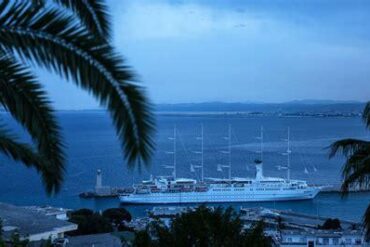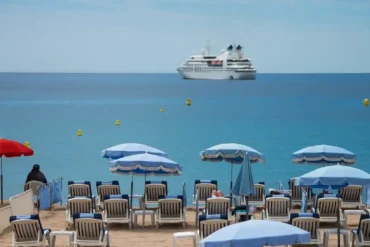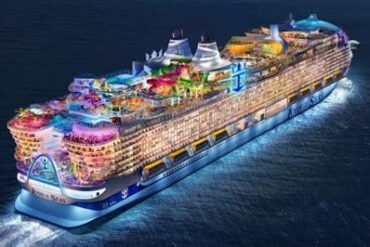
Cannes, the dazzling jewel of the French Riviera, is renowned for its golden beaches, luxurious boutiques, and the world-famous Cannes Film Festival. However, the city faces a pressing challenge that many popular tourist destinations are grappling with: over-tourism. In an unprecedented move, Cannes has decided to impose strict limitations on the number of cruise ship passengers allowed to disembark each day, marking a significant shift in how the city manages its tourism industry.
For years, the charming streets of Cannes have been inundated with tourists, particularly from cruise ships, leading to environmental degradation and community disruption. With approximately 460,000 cruise passengers visiting annually, the local government has responded to the mounting pressure on infrastructure, pollution levels, and the strain on resources by implementing a visitor cap beginning in 2026. This decision signals the end of an era characterized by mass tourism, as the city seeks to reclaim its tranquil atmosphere.
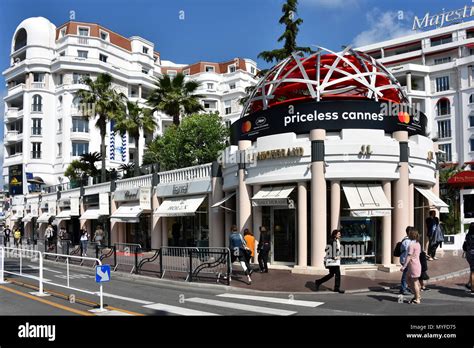
The decision comes after numerous complaints from locals about the overwhelming number of visitors, especially during peak seasons. As cruise ships dock, they often release thousands of passengers into the city, creating congestion in popular areas like the iconic Boulevard de la Croisette. To combat this, Cannes’ council has enacted a daily limit of 6,000 cruise passengers who can disembark, effectively curbing the overcrowding that has plagued the city.
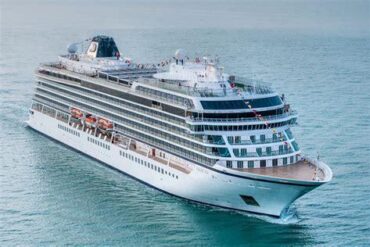
In addition to the passenger cap, Cannes plans to reduce the number of mega-ships permitted to dock. Starting in 2026, vessels carrying more than 5,000 passengers will be banned, with an ultimate goal to prohibit all ships exceeding 1,300 passengers by 2030. This move aligns with similar restrictions imposed by other European cities, including Venice, Barcelona, and Amsterdam, all of which have faced protests and public outcry regarding the adverse effects of over-tourism.
The Impact of Cruise Ships on Cannes
The influx of cruise ships has brought both economic benefits and significant challenges to Cannes. In 2024, nearly half a million cruise passengers descended upon the city, a number deemed unsustainable by both residents and city officials. The sight of massive cruise liners unloading thousands of tourists has become emblematic of the over-tourism crisis.
Mayor David Lisnard has defended the new regulations, emphasizing that while cruise tourism has historically contributed positively to the local economy, it is time to implement measures that protect the city’s unique character. “Cannes has become a major cruise ship destination with real economic benefits,” Lisnard stated. He highlights the necessity of balancing tourism with the needs of local residents and the environment.
Underpinning this decision is the city’s environmental charter, introduced in 2019, which sets guidelines for cruise operators. These guidelines aim to ensure that the tourism industry supports rather than undermines the city’s cultural and natural heritage. Failure to comply with these standards could result in restrictions on cruise passenger excursions, reinforcing Cannes’ commitment to sustainable tourism practices.
The Economic Implications of Visitor Caps
While the visitor cap aims to alleviate the pressures of over-tourism, it has sparked concerns within the cruise industry. The Cruise Lines International Association (CLIA) has criticized the cap, arguing that cruise tourism plays a crucial role in the economic vitality of port cities, providing opportunities for exploration and cultural exchange.
Critics of the cap warn that it may deter tourists from visiting Cannes, potentially harming local businesses that rely heavily on cruise tourism. However, Mayor Lisnard remains resolute, stating that the city must prioritize sustainability. He emphasizes the importance of finding a balance between welcoming tourists and preserving the essence of Cannes for future generations.
Similar Moves Across Europe
Cannes is not alone in its efforts to combat over-tourism. Cities like Venice, Barcelona, and Amsterdam have also taken proactive measures to limit the impact of cruise tourism. Venice, long plagued by the environmental consequences of large cruise ships navigating its delicate waterways, has implemented a ban on such vessels in its historic center. This decision reflects a growing recognition of the need to protect vulnerable ecosystems while still allowing for tourism.
Barcelona has similarly restricted the number of cruise ships docking at its port, responding to concerns about overcrowding and environmental degradation. Amsterdam, famous for its picturesque canals, has enacted visitor caps at key tourist sites and is actively managing tourist flows to mitigate the effects of mass tourism. These measures illustrate a broader trend across Europe, where cities are reevaluating their tourism strategies to ensure long-term sustainability.
The Cruise Industry’s Response
In light of Cannes’ new regulations, the cruise industry is calling for fair regulation that addresses over-tourism without discouraging travel. The CLIA argues that a collaborative approach involving investments in infrastructure and sustainable tourism practices would yield better results than outright caps on visitor numbers.
Mayor Lisnard has acknowledged these concerns and expressed a commitment to finding common ground. As part of Cannes’ sustainable tourism initiatives, the city plans to enhance public transport, improve waste management systems, and promote eco-friendly tourism experiences. By focusing on responsible tourism, Cannes aims to create an environment where both residents and visitors can thrive harmoniously.
Looking Ahead: The Future of Cannes and the French Riviera
Cannes’ decision to implement a visitor cap marks a pivotal moment in the evolution of tourism in the French Riviera. As global travel patterns shift, destinations must adapt to meet the demands of sustainable tourism. While the new regulations may initially disappoint some within the cruise industry, they hold the potential to foster a more balanced relationship between tourism and the local community.
For travelers, this shift may lead to a more exclusive experience in Cannes, characterized by smaller crowds and a more intimate atmosphere. As the city embraces sustainable practices, visitors can look forward to enjoying the beauty of Cannes without the burden of overwhelming tourist numbers. The anticipated changes signal a brighter future for the city, where tourism enhances rather than detracts from the local culture.
Conclusion: Balancing Tourism and Sustainability in Cannes
Cannes’ new visitor cap represents a significant step toward addressing the challenges of over-tourism and safeguarding the city’s allure for future generations. While the decision may pose initial challenges for the cruise industry, it reflects a broader movement among Europe’s most visited cities to reconcile the economic benefits of tourism with environmental and social accountability. As Cannes embarks on this transformative journey, it sets a precedent for other destinations grappling with the complexities of mass tourism, proving that it is possible to welcome visitors while prioritizing the well-being of local communities and the preservation of cultural heritage.