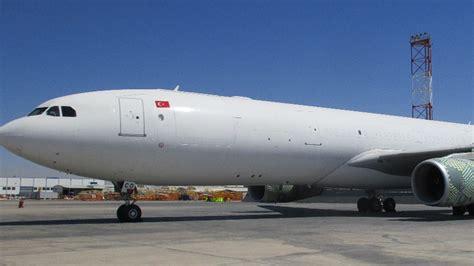
MNG Airlines, a prominent player in global logistics and e-commerce transportation based in Türkiye, has made headlines with its recent announcement to expand its cargo fleet through the acquisition of two state-of-the-art Airbus A350 freighters. This strategic decision, formalized via a Memorandum of Understanding (MoU) between MNG Airlines and Airbus, represents a significant milestone in the airline’s ongoing commitment to modernizing its operations while prioritizing sustainable growth. As demand for air cargo services continues to rise—driven largely by the global surge in e-commerce and the need for efficient logistics solutions—MNG Airlines is positioning itself at the forefront of innovation with this groundbreaking investment.
A Strategic Leap Toward Innovation
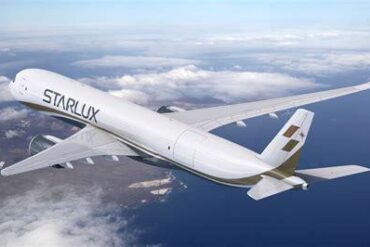
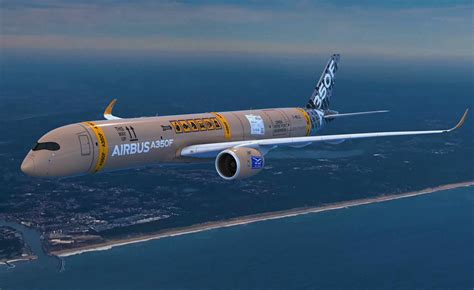
The introduction of the Airbus A350F into MNG Airlines’ fleet is a forward-thinking move that embraces the latest advancements in aviation technology. The Airbus A350F is specifically designed to meet the evolving requirements of the global air cargo industry, boasting a combination of high payload capacity, long-range capabilities, and an environmentally conscious design. This aircraft is poised to revolutionize air freight transportation standards, offering logistics operators like MNG Airlines a powerful tool for optimizing performance while adhering to stringent regulatory and environmental mandates.
One of the key features of the A350F is its incorporation of the advanced Rolls-Royce Trent XWB-97 engines, which are celebrated for their reliability and fuel efficiency. These engines enable the A350F to achieve an impressive 40% reduction in fuel consumption and carbon dioxide emissions compared to older generation freighters. This achievement is especially significant in an industry increasingly focused on sustainable operations and minimizing environmental impact.
Impressive Capabilities and Technical Superiority
Upon entering service, the Airbus A350F will be capable of transporting up to 111 tonnes of cargo over distances reaching 8,700 kilometers (approximately 4,700 nautical miles). This remarkable range allows operators like MNG Airlines to execute long-haul flights with fewer refueling stops, thereby significantly reducing operational costs and enhancing delivery times.
One of the defining characteristics of the A350F is its advanced construction. Composed of over 70% lightweight composite materials, titanium, and advanced aluminum alloys, this design enhances durability while simultaneously reducing the aircraft’s weight by approximately 46 tonnes compared to competing freighters. The resulting platform is not only efficient but also offers superior range, payload capacity, and lower fuel consumption.
Additionally, the A350F will feature the widest main deck cargo door ever engineered for a freighter. This innovative design facilitates faster and more efficient handling of large or bulky cargo, thereby improving turnaround times and offering greater flexibility in cargo operations, especially critical for high-demand logistics hubs where speed is paramount.
Setting New Standards for Environmental Responsibility
Sustainability is a cornerstone of the A350F’s design philosophy. As the only next-generation freighter built from the ground up to fully comply with the International Civil Aviation Organization’s (ICAO) 2027 CO₂ emission regulations, the A350F signifies a pivotal advancement in minimizing the ecological footprint associated with air cargo operations. Upon its commercial launch, this aircraft will be capable of operating with up to 50% Sustainable Aviation Fuel (SAF), a cleaner alternative to conventional jet fuel. Airbus aims to ensure that the A350F is fully compatible with 100% SAF by 2030, allowing airlines like MNG to not only meet stringent global emissions standards but also reinforce their commitment to greener logistics practices.
MNG Airlines’ Vision for the Future
MNG Airlines’ decision to integrate the A350F into its fleet embodies a comprehensive strategy aimed at fortifying long-term resilience and aligning with the ever-evolving demands of the global cargo market. As e-commerce continues to reshape supply chains and trade networks worldwide, the necessity for faster, cleaner, and more efficient air cargo solutions has never been more pressing.
By investing in the A350F, MNG Airlines is not merely ensuring that it can deliver reliable logistics services; it is also affirming its commitment to sustainability and technological excellence. This move significantly enhances the airline’s competitive edge in an increasingly crowded marketplace, where factors such as fuel efficiency, emissions compliance, and operational reliability are becoming essential differentiators.
Moreover, the integration of the A350F aligns seamlessly with Türkiye’s broader ambitions to strengthen its position as a major logistics and air freight hub, effectively connecting Europe, Asia, and the Middle East. This strategic alignment underscores MNG Airlines’ role in facilitating international connectivity while championing sustainable practices.
Conclusion
The signing of the MoU for two Airbus A350 freighters marks a monumental milestone in MNG Airlines’ growth trajectory. As the air cargo sector undergoes rapid transformation driven by innovation and heightened environmental awareness, MNG Airlines is poised to navigate the future with a fleet upgrade that harmonizes performance, sustainability, and technological advancement. With the A350F expected to commence operations in the near future, MNG Airlines is well-equipped to provide efficient and eco-friendly cargo solutions that address the demands of modern commerce. This pivotal move not only underscores the airline’s forward-thinking ethos but also solidifies its status as a key player in the global air logistics landscape.