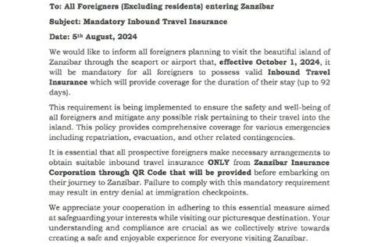
Tanzania has officially joined a growing number of nations, including Japan, the UAE, France, Russia, Germany, and Cuba, in enforcing stricter entry regulations by making travel insurance mandatory for all international visitors. This significant policy shift is being implemented in response to increasing concerns regarding unpaid medical bills from uninsured tourists, which have increasingly strained national healthcare systems across the globe. With Tanzania set to enforce this policy soon, travelers will now be required to purchase travel insurance that covers medical emergencies, repatriation, and other potential disruptions, ensuring both the safety of tourists and the financial sustainability of the country’s healthcare infrastructure.
Mandatory Travel Insurance for International Tourists: What You Need to Know
As part of global efforts to enhance tourist safety and protect healthcare systems, numerous countries—including Japan, Tanzania, Russia, and several European and Middle Eastern nations—are now mandating travel insurance for all international visitors. This trend aims to ensure that travelers are financially prepared for potential medical emergencies, travel disruptions, and other unforeseen incidents that have become a growing concern for nations facing the burden of uninsured tourists. Tanzania’s introduction of this policy aligns with similar regulations in places such as Zanzibar and within the Schengen Zone, which have adopted strict insurance requirements to protect their healthcare systems from the financial implications of unpaid medical bills incurred by foreign visitors.
Tanzania’s Mandatory Travel Insurance: A Step Toward Safer Travel
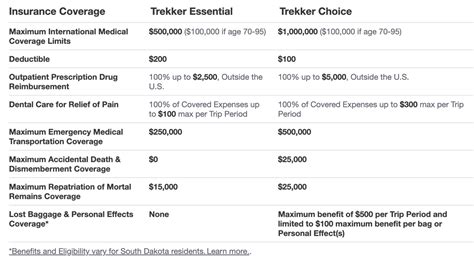
Tanzania’s decision to implement mandatory travel insurance mirrors actions taken by several other nations, including Japan. Detailed in Tanzania’s 2025–2026 national budget, this new requirement will apply to all non-resident tourists entering mainland Tanzania. However, it is essential to note that there will be exemptions for visitors from neighboring East African Community (EAC) and Southern African Development Community (SADC) nations, acknowledging regional cooperation and easing travel for countries nearby. The policy mandates that travelers acquire insurance valued at $44, providing comprehensive coverage for up to 92 days. This insurance will cover several critical aspects:
- Medical Emergencies: Expenses for unforeseen medical treatment or hospitalizations.
- Medical Repatriation: Costs associated with evacuation or repatriation in cases of serious illness or death.
- Travel-Related Accidents: Protection against accidents during travel, which covers potential injuries.
- Baggage Delays or Theft: Compensation for lost or delayed baggage.
With these provisions in place, Tanzania aims to ensure that visitors are well-supported in the event of any unexpected disruptions. This initiative not only provides peace of mind for tourists but also fosters a safer environment for travelers.
Japan’s Shift to Mandatory Travel Insurance
Japan’s recent decision to introduce mandatory travel insurance is primarily driven by rising concerns about the financial burden of unpaid medical bills left by foreign tourists. In September 2024 alone, the country reported over ¥61.35 million yen (approximately US$427,000) in unpaid medical bills, as many uninsured visitors left healthcare facilities without settling their costs. This alarming trend prompted the government to adopt stricter border controls, which include mandatory insurance checks for all incoming tourists. This policy will become part of Japan’s fiscal plans, requiring all short-term visitors to present proof of valid travel insurance upon arrival. The initiative aims to safeguard Japan’s healthcare infrastructure, ensuring that tourists can access necessary medical services without imposing an undue financial strain on local hospitals. Furthermore, the plan will extend to long-term foreign residents who may have defaulted on national health insurance premiums.
Global Trends in Mandatory Travel Insurance
Japan is not alone in this movement; it has joined a growing list of countries that are now making travel insurance mandatory for all visitors. In Europe, Schengen Area countries—including France, Germany, and Spain—have long mandated proof of travel insurance for short-stay visa applicants. The required insurance must cover emergency medical treatment and repatriation, with a minimum coverage of €30,000. Similarly, both Russia and Georgia now require foreign visitors to possess valid medical insurance, with Georgia enforcing a €30,000 minimum coverage since 2024.
In the Middle East and Gulf regions, countries such as Saudi Arabia, the UAE, Qatar, and Turkey have all made travel insurance a prerequisite for visa issuance. These nations recognize the importance of protecting their healthcare systems from the financial fallout associated with uninsured tourists. In Latin America, countries like Cuba, Uruguay, and Costa Rica also mandate medical insurance for visitors. Cuba requires travelers to provide proof of insurance or purchase it upon arrival, while Uruguay implemented a similar rule in 2023. Costa Rica, although relaxing some COVID-era insurance requirements, still strongly advises or requires insurance for certain travelers.
What This Means for Travelers
For travelers planning their trips in 2025 and beyond, travel insurance is no longer an optional add-on. Instead, it has become a non-negotiable component of international travel. Authorities may request proof of insurance not only during visa applications but also at immigration checkpoints. Failing to present valid travel insurance could lead to denied boarding, refusal of entry, or even being compelled to purchase local insurance upon arrival. This shift is part of a broader trend where governments are ensuring that travelers are financially prepared to handle potential medical emergencies—a necessity that became increasingly evident following the global COVID-19 pandemic. With new mandates in place, including Japan’s recent policy and Tanzania’s forthcoming changes, travelers must factor the cost of insurance into their travel budgets as an essential consideration.
Conclusion: A Global Shift Toward Safer, More Secure Travel
The worldwide movement toward mandatory travel insurance reflects escalating concerns over the financial impact of uninsured tourists on national healthcare systems. Countries like Japan, Tanzania, Russia, Switzerland, and others are setting a clear precedent, ensuring that travelers are adequately covered during their stays. By mandating travel insurance, these nations are not only safeguarding their medical systems but also protecting the interests of international visitors. As Tanzania joins countries like Japan, the UAE, France, Russia, Germany, and Cuba in implementing stricter entry regulations, the emphasis on mandatory travel insurance signifies a fundamental change in how international travel will operate moving forward. Travelers planning visits to these countries should prepare for stricter entry requirements and ensure that the cost of insurance is included in their travel plans. As the landscape of travel policy continues to evolve, it is evident that travel insurance is no longer merely an option—it has become a vital requirement for international travel.