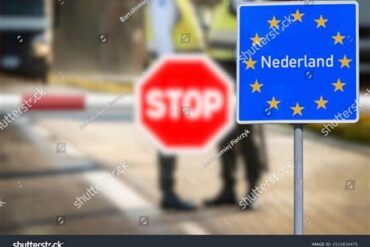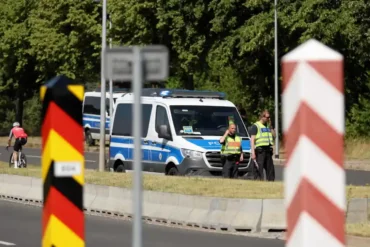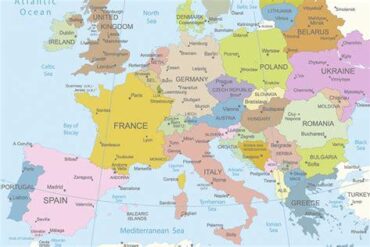
In a significant move towards enhancing border security and ensuring compliance with European Union regulations, Spain has implemented new border rules that align closely with those introduced by Austria, Denmark, Germany, Poland, and Switzerland. Effective from July 5, 2025, these updated regulations specifically target UK travelers, reflecting the evolving landscape of post-Brexit travel protocols within the Schengen Area. The changes aim to streamline entry procedures, bolster security, and minimize irregular entries, thereby enhancing overall accountability for travelers across the region.
As one of the world’s most popular tourist destinations, Spain continues to attract millions of visitors each year, particularly from the UK, drawn by its rich cultural heritage, stunning landscapes, and Mediterranean allure. However, as the summer season approaches, it is imperative for prospective travelers to familiarize themselves with the new entry requirements and safety guidelines that will govern their journeys to Spain.
The New Border Rules: What You Need to Know
Under the newly adopted regulations, British tourists must now adhere to enhanced passport validity conditions, provide proof of accommodation, and demonstrate sufficient financial means and travel insurance. These stipulations are designed to ensure that all travelers entering Spain are well-prepared and capable of supporting themselves during their stay. The key requirements include:
- Passport Validity: Travelers must present a passport that was issued within the last 10 years and is valid for at least three months beyond their planned departure date from the Schengen Zone. This requirement is particularly crucial for passports renewed before October 1, 2018, which may have extended validity that does not comply with the new regulations.
- Documentation at Border Control: Upon arrival in Spain, travelers should be prepared to show additional documentation, which may include:
- A return or onward travel ticket
- Travel insurance covering medical emergencies
- Proof of financial means, such as cash, bank statements, or credit cards
- Hotel bookings or proof of property ownership
- An invitation letter (carta de invitación) if staying with friends or family
- Immigration Checks: While checks will be conducted randomly, having these documents organized will facilitate smoother border processing and reduce the risk of complications upon arrival.
Why Spain Remains a Preferred Destination
Despite the stringent new regulations, Spain’s appeal as a travel destination remains robust. From the architectural marvels of Barcelona to the sun-drenched beaches of the Costa del Sol, the country offers a diverse range of experiences that cater to all types of travelers. Spain boasts an affordability factor that makes it particularly attractive compared to other European countries. Families, solo adventurers, and retirees alike find Spain to be a welcoming and accessible choice for their vacations.
The Mediterranean climate plays a significant role in maintaining Spain’s year-round tourism appeal, characterized by long, warm summers and mild winters. Coupled with an efficient transportation infrastructure and the hospitality of local communities, Spain continues to be a favored choice for holidaymakers seeking cultural enrichment, relaxation, or adventure.
Understanding the Schengen Area and Its Implications for UK Citizens
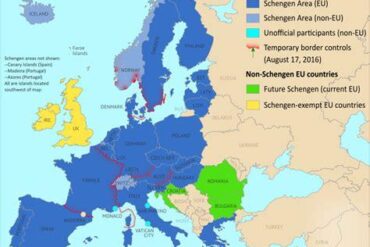
Following Brexit, UK travelers are now subject to the rules established under the Schengen Agreement, which governs short-term travel across many European nations. Spain, as part of this agreement, mandates that entry requirements differ significantly from those in place prior to the UK’s exit from the EU. The Schengen Area encompasses numerous countries, including:
- Austria
- Belgium
- France
- Germany
- Italy
- Portugal
- Sweden
For UK citizens planning to visit Spain in 2025, understanding these regulations is crucial to ensure a hassle-free travel experience. The implications of these rules extend beyond mere compliance; they reflect a broader commitment to enhancing travel security and accountability within the Schengen zone.
Travel Safety and Security: Guidance from the FCDO
While Spain is generally regarded as a safe country for tourists, the UK’s Foreign, Commonwealth & Development Office (FCDO) emphasizes the importance of vigilance amidst ongoing global security concerns. Travelers are advised to remain aware of potential threats, including the risk of terrorist attacks, particularly in crowded areas and popular tourist sites. Key recommendations include:
- Staying alert in busy environments
- Avoiding large protests or demonstrations, which can occur unexpectedly
- Monitoring local news for updates or emergencies
Protests, especially in major cities like Barcelona and Madrid, can disrupt public services and transportation, even though they are often peaceful. Awareness of these dynamics can help travelers navigate their visits more effectively.
Additionally, tourists should be cognizant of street crime, which can pose a risk in busy areas. Common issues include:
- Pickpocketing in public transit and tourist hotspots
- Bag snatching near beaches and outdoor venues
- Scams targeting unsuspecting visitors in nightlife areas
Travelers are encouraged to take precautions, such as using anti-theft bags and avoiding carrying all valuables at once, to mitigate these risks.
Local Laws and Customs to Be Aware Of
Spain has specific laws that might surprise visitors, and adherence to these regulations is crucial to avoid legal complications. Notable laws include:
- Prohibitions on drinking alcohol in public spaces, which are enforced in many cities
- Strict penalties for dangerous balcony behavior, including climbing or jumping between balconies
- Regulations against public nudity and sexual activity in non-designated areas
For tourists visiting party zones, such as Magaluf or Ibiza, excessive alcohol consumption and disruptive conduct are heavily penalized. On a positive note, Spain is recognized for its progressive stance on LGBTQ+ rights, with same-sex marriage being legal and cities like Madrid hosting vibrant LGBTQ+ communities.
Environmental Hazards: Preparing for Climate Challenges
Travelers should also be mindful of environmental risks that can affect their trips, particularly during the summer months when wildfires and flash flooding are prevalent. The FCDO advises visitors to:
- Adhere to local warnings regarding fire bans and evacuation procedures during heatwaves
- Stay updated on weather forecasts, especially if traveling to remote or high-risk areas
Flash floods can occur suddenly, resulting in transportation disruptions and property damage. Awareness and preparation can help ensure safety during unexpected weather events.
Healthcare Access and Travel Insurance Essentials
Prior to traveling, securing comprehensive travel insurance is vital. While Spain offers excellent public healthcare services, foreign visitors must provide appropriate documentation to access care. UK citizens can utilize:
- A valid Global Health Insurance Card (GHIC)
- A still-valid European Health Insurance Card (EHIC)
However, these cards only cover basic or urgent medical treatments. For private healthcare, extended stays, or complex medical issues, obtaining full travel insurance is essential to safeguard against unforeseen circumstances.
As Spain continues to enchant visitors with its rich history, stunning landscapes, and vibrant culture, the importance of planning and preparation cannot be overstated. With the introduction of new Schengen rules, safety updates, and potential climate hazards, travelers must be informed and ready for their adventures in 2025. Whether exploring the architectural wonders of Moorish palaces, hiking in the majestic Pyrenees, or relaxing on the idyllic beaches of Mallorca, unforgettable experiences await those who approach their travels with the necessary foresight.