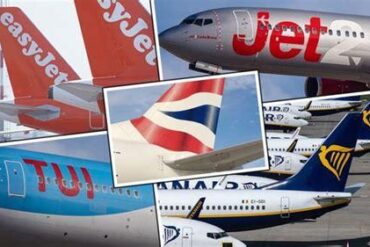
The landscape of European budget air travel is undergoing a significant transformation, as three of the region’s largest low-cost carriers—easyJet, Ryanair, and Jet2—have implemented strict new in-flight food policies. These changes come at a critical juncture: the convergence of heightened EU import restrictions, rising inflight safety concerns, and increasing passenger discomfort complaints.
For the millions of travelers boarding flights this summer, the rules around what can be brought and consumed onboard are no longer just fine print—they’re the new frontlines of policy enforcement.
The New Food Frontier in Budget Aviation
Air travelers in Europe have long relied on the ability to bring their own snacks to dodge the high price tags of in-flight meals. But for passengers departing from major hubs such as London Stansted, Luton, Manchester, and Dublin, those habits are under scrutiny.
Effective June 2025, easyJet, Ryanair, and Jet2 have all introduced rules targeting three key areas:
- Hot meals
- Personal alcohol
- Pungent or strong-smelling food items
While these policies may seem abrupt, they stem from a long-building crescendo of onboard incidents, hygiene concerns, and legal complications that cross national borders.
easyJet: Liquid Limits and Lid Laws
easyJet continues to allow personal food items onboard, but the allowances come with sharp caveats. Liquid items like soup or yogurt must adhere to the 100ml liquid restriction, a rule historically enforced by airport security, but now doubling as a policy tool for airline staff.
Moreover, passengers carrying hot beverages must ensure that drinks are secured with lids. easyJet prohibits reheating of any meals or liquids, and no exceptions are made—even for passengers with dietary preferences or home-prepped meals.
The message is clear: travel light, pack smart, and eat safely. The move prioritizes both passenger comfort and in-cabin hygiene, areas where airlines have been receiving rising volumes of complaints.
Ryanair: The No-Nonsense Enforcer
Ryanair, long known for its uncompromising policies, has taken a notably hardline approach. While snacks and cold soft drinks are still welcome onboard, hot beverages are banned altogether.
Perhaps most critically, outside alcohol—regardless of where or how it was purchased—is explicitly forbidden. This includes duty-free alcohol, a common purchase among travelers looking to save money on spirits.
The airline attributes these changes to repeated issues involving alcohol-induced behavior onboard. “Combining altitude with unmonitored alcohol is a safety risk we can no longer afford,” stated a Ryanair spokesperson in a June press release.
Jet2: The Strictest of All
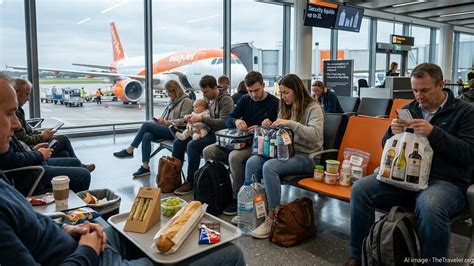
Jet2 has implemented what is arguably the most comprehensive in-flight food policy among the three. It now prohibits all hot meals and hot drinks, discourages items with strong odors, and limits the size and type of food to prevent tray-table sprawl.
If a snack is too aromatic, too messy, or simply too large, expect the cabin crew to ask that it be put away—or even confiscated. The airline’s firm stance comes in the wake of multiple passenger complaints and a recent mid-flight incident involving a spilled hot beverage, which prompted minor burns and a cabin cleanup diversion.
In essence, Jet2’s approach is to preserve peace and cleanliness aboard by setting a high bar for onboard food etiquette.
EU Import Laws: The Silent Border Trap
While in-flight restrictions may feel inconvenient, they pale in comparison to the unexpected penalties awaiting passengers at EU borders.
Current EU regulations prohibit the import of meat, dairy, and certain prepared foods from non-EU countries—including the UK. Many travelers unknowingly violate these rules by carrying ham sandwiches, cheese snacks, or even ready-to-eat meals purchased at UK airports.
Customs enforcement has increased sharply. Foods packed for the plane, if not consumed mid-flight, are often confiscated upon arrival in destinations like France, Germany, or Spain. In some cases, fines are issued, leaving tourists bewildered.
“Just because you bought it after security doesn’t mean you can keep it,” warned a customs officer at Barcelona-El Prat Airport. The burden is on passengers to understand that airline allowances and EU import restrictions are not aligned.
Safety, Scents, and Social Etiquette
Beyond legalities, much of the policy change centers on passenger comfort and in-flight safety. Airlines are seeing more complaints than ever before about:
- Strong-smelling meals that overwhelm tight cabin spaces
- Hot drinks and foods causing spills during turbulence
- Disruptive behavior linked to alcohol consumption
The nature of short-haul flights on budget carriers—where quick turnaround times and minimal staff per passenger are the norm—means airlines are focusing on reducing preventable onboard incidents.
The inflight environment is no longer just about transportation. It’s a shared space where olfactory offenses, spills, or alcohol-fueled disputes can rapidly escalate. By controlling food onboard, airlines regain a measure of environmental control.
Exceptions for Children and Medical Needs
Fortunately, not all food-related rules apply equally. Airlines recognize that infants, toddlers, and passengers with medical conditions have specific needs.
- Baby food is generally allowed in containers up to one liter, including formula, purees, and baby milk.
- Heating bottles is still permitted, but advance notice to cabin crew is recommended.
- Medical foods, including certain nutritional supplements, may also be exempt—though supporting documentation is often required.
TUI Airways, in particular, has maintained a more lenient stance for long-haul passengers, offering complimentary meals and drinks on routes exceeding seven hours. For shorter flights, pre-packaged cold foods are acceptable, but all airlines stress no heating, no alcohol, and minimal odors.
Airport Security vs Airline Policy: A Grey Zone
Another complexity travelers face is the disconnect between airport security rules and airline policies.
Security screenings operate under government regulations, such as the 100ml liquid limit. These can overrule airline allowances, resulting in confiscated yogurts, soups, or even puddings—regardless of what your carrier says is allowed.
Airline policies are enforced once you’re past the gate. If your snack passes security but runs afoul of in-flight rules, the flight crew has final authority.
The best strategy is to package all food in transparent, sealed containers, label any medical items, and consult both airport and airline guidelines before departure.
How These Changes Reshape the Travel Experience
These new restrictions mark a philosophical shift in how airlines view their relationship with passengers. In the past, the assumption was that air travelers could manage their own comfort. Today, airlines are becoming curators of the in-flight atmosphere, drawing hard lines on behavior, hygiene, and health.
What began as scattered policies are now becoming industry standards, especially among low-cost carriers operating within and across EU borders. The tighter policies reflect an overarching effort to balance efficiency with passenger well-being, and the result is an inflight experience that’s both more structured and more restricted.
The Smart Traveler’s Checklist for 2025
As these changes continue to unfold, smart passengers should adapt quickly. A few key takeaways:
- Verify both airline and destination country rules before packing any food.
- Stick to cold, non-odorous snacks like sealed nuts, crackers, or granola bars.
- Avoid hot, messy, or strong-smelling meals altogether.
- Consume perishable foods mid-flight to avoid customs issues upon landing.
- Never attempt to drink your own alcohol onboard—it’s banned across all major carriers.
Final Approach: Respecting the Cabin Environment
The move by easyJet, Ryanair, and Jet2 to tighten their food policies is not about inconvenience—it’s about maintaining order, cleanliness, and safety in the tight quarters of modern airliners.
In the age of mass travel, respect for shared space is paramount. These new guidelines may frustrate some, but they’re a critical step toward a more predictable and pleasant flying experience.
Whether you’re a frequent flyer or a summer holidaymaker, understanding these rules ensures that the only surprise on your flight is the view from 35,000 feet—not a confiscated sandwich or a warning from the crew.
So next time you pack for the skies, leave the curry in a thermos at home. A humble energy bar may now be the most flight-approved meal in the sky.