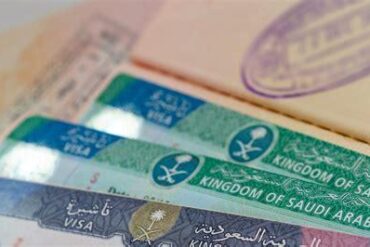
In a significant shift aimed at enhancing the Umrah pilgrimage experience, Saudi Arabia has mandated that pilgrims must provide proof of hotel bookings through the official Nusuk Masar platform to obtain their Umrah visas. This policy, which came into effect on June 10, 2025, is designed to streamline the process for international pilgrims while simultaneously improving the quality of religious tourism services available in the kingdom. The Ministry of Hajj and Umrah has specified that only hotels licensed by the Ministry of Tourism will be accepted for bookings made via the Nusuk Masar platform. All accommodation contracts must be submitted electronically and receive approval through this digital system, which has quickly become the central hub for all Umrah-related services.
Aiming for Better Service and Reduced Fraud
The introduction of this new regulation is primarily a response to ongoing issues surrounding fraudulent bookings, overbooking situations, and concerns over the overall quality of accommodations provided to pilgrims. According to the Ministry of Hajj and Umrah, this initiative aims to enhance the professionalism of service delivery, improve the overall experience for both visitors and Umrah performers, and ensure that pilgrims stay in licensed and compliant facilities. By restricting hotel bookings to those that are officially sanctioned, the Saudi government hopes to offer a more secure and reliable accommodation experience for international travelers. This move is also aligned with the broader objectives outlined in Saudi Arabia’s Vision 2030, which focuses on elevating the standards of religious tourism and enhancing the digital infrastructure that supports such activities.
The Role of the Nusuk Masar Platform
The Nusuk Masar platform serves as the official and centralized interface for all Umrah-related bookings, simplifying the experience for pilgrims by consolidating essential services into one accessible location. Through this platform, users can not only reserve approved accommodations but also upload housing contracts, manage necessary permits, and access a wealth of multilingual travel information. This centralization aims to provide a streamlined experience for pilgrims, minimizing administrative hurdles while guaranteeing stays in certified accommodations. The digital-first approach reflects Saudi Arabia’s broader Vision 2030 initiative, emphasizing the importance of digitalization in religious tourism to facilitate a smooth, efficient, and modern pilgrimage experience.
Impact on Global Tourism and Religious Pilgrimages
The introduction of these regulations is poised to have far-reaching implications for global tourism, particularly within the sphere of religious travel. As one of the foremost destinations for religious tourism, Saudi Arabia attracts millions of Muslims annually for the Hajj and Umrah pilgrimages. By mandating the use of a digital platform for hotel bookings and visa applications, the kingdom ensures not only the safety and well-being of its pilgrims but also aligns itself with global tourism trends that increasingly prioritize digital transformation and security. For international pilgrims, this new rule translates to easier access to licensed accommodations and a more transparent process for booking and managing their stays. Consequently, travel agencies and Umrah operators will be required to fully comply with the new system, which may necessitate adjustments in their operational methodologies.
Compliance and Penalties for Non-Compliance
Under the new rules, all licensed Umrah agents, operators, and companies must adhere strictly to the digital booking requirements. Failure to upload verified bookings through the Nusuk Masar platform could lead to delays in visa processing, outright rejections, or even penalties for non-compliance. This stringent approach underscores Saudi Arabia’s commitment to cultivating a more organized and professional environment for pilgrims. As the kingdom tightens its regulations, it is expected that greater cooperation from global travel agencies and operators specializing in religious tourism will follow suit. Stakeholders within the industry must adapt to this new digital-first approach, ensuring that the pilgrimage experience remains accessible and seamless for the millions of visitors who embark on this spiritual journey each year.
Improving Religious Tourism and Enhancing Saudi Arabia’s Reputation
The rollout of this policy and the centralization of Umrah-related services under the Nusuk Masar platform represent a pivotal step towards enhancing the global appeal of Saudi Arabia as a premier religious tourism destination. In the wake of the COVID-19 pandemic, this new policy positions the kingdom as a modern and forward-thinking destination for Muslims worldwide, aiming to significantly elevate the pilgrimage experience. The implementation of the Nusuk Masar platform is part of a larger strategy designed to integrate digital infrastructure and stringent regulations into the tourism sector. Saudi Arabia’s innovative approach ensures that it remains competitive within the global tourism market, making it easier for pilgrims to participate in one of the world’s most significant religious events while upholding high standards of service, accommodation, and safety.
Looking Ahead: Saudi Arabia’s Vision 2030 and the Future of Religious Tourism
As Saudi Arabia continues to modernize and expand its tourism infrastructure, this new Umrah visa policy represents just one of many measures the kingdom is undertaking to reinforce its position as a global tourism hub. The emphasis on digital solutions, enhanced service standards, and sustainable practices aligns perfectly with the objectives of Vision 2030, which seeks to diversify the economy and promote tourism as a significant economic driver. With the introduction of visa-free travel policies, digital booking systems, and a comprehensive focus on religious tourism, Saudi Arabia is paving the way for a new era of modern pilgrimage. This policy sets a potential global precedent for how countries manage large-scale religious tourism, likely influencing the future of pilgrim travel for years to come.