In 2025, the geopolitical climate in the Middle East has undergone a significant transformation, profoundly affecting travel dynamics across the region. The Gulf Cooperation Council (GCC) nations, which include Saudi Arabia, Qatar, Bahrain, Kuwait, Oman, and the United Arab Emirates (UAE), have found themselves at the center of escalating tensions that have led to substantial changes in visa policies and travel advisories. The recent developments have not only disrupted tourism and business travel but have also strained diplomatic relationships among these nations. As Saudi Arabia takes a firmer stance on visa cancellations, questions arise regarding whether these actions are driven by a vendetta or a calculated agenda.
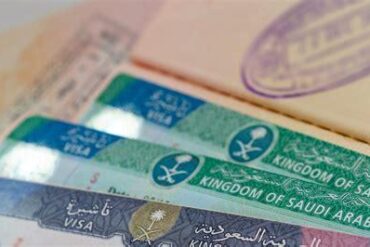
The General Directorate of Passports (Jawazat) in Saudi Arabia has implemented strict visa cancellation policies in light of heightened security concerns. These measures primarily target foreign nationals from countries directly involved in regional conflicts or those with strained relations with Saudi Arabia. Countries such as Algeria, Bangladesh, Egypt, Ethiopia, India, Indonesia, Iraq, Jordan, Morocco, Nigeria, Pakistan, Sudan, Tunisia, and Yemen have faced visa suspensions, leaving many travelers and expatriates stranded without clear solutions.
As the situation escalated, the ripple effects of these visa cancellations became increasingly evident across various sectors of the economy. Expatriates, who constitute a significant portion of the workforce in Saudi Arabia, found themselves unable to travel or return home due to these restrictions. This disruption has not only impacted their personal lives but has also left businesses grappling with staffing shortages and operational challenges. Furthermore, the tourism sector has been hit hard, as visitors from affected countries are unable to experience Saudi Arabia’s rich cultural heritage.
Qatar’s Response to Travel Restrictions
Qatar, another key player in the GCC, has also faced challenges stemming from these geopolitical tensions. The nation has positioned itself as a luxury travel destination, particularly for tourists from Europe. However, the tightening of visa restrictions has resulted in a noticeable decline in incoming tourist numbers, prompting Qatari officials to reassess their strategies for attracting international visitors. The impact on the travel and hospitality industries has been palpable, with businesses forced to adapt quickly to the new realities of travel.
While Saudi Arabia and Qatar navigate these tumultuous waters, the UAE has opted for a contrasting approach. In a notable humanitarian gesture, the UAE announced the waiving of overstay fines for Iranian nationals stranded within its borders due to the geopolitical crisis. This decision was widely praised as a compassionate move, especially compared to the more stringent policies adopted by other GCC nations. The UAE’s willingness to accommodate those affected by the crisis reflects a nuanced understanding of the importance of maintaining goodwill amidst rising tensions.
Air Travel Disruptions: A Regional Challenge
The travel disruptions extend beyond visa cancellations, with air travel suffering considerable setbacks due to the current geopolitical landscape. Major airlines in the GCC, including Emirates, Qatar Airways, Flydubai, and Etihad Airways, have experienced widespread operational challenges. The closure of Israeli airspace and the suspension of outbound flights from Israel have resulted in numerous flight cancellations, leaving countless travelers in limbo.
Airlines have had to reroute flights through Pakistan, circumventing the troubled airspaces of Iran, Iraq, Syria, and Israel. This rerouting has not only extended travel times but has also increased operational costs for airlines, placing additional strain on passengers who now face longer journeys and rising fares. The once straightforward routes that characterized air travel in the region have transformed into complex pathways laden with uncertainty, leading many travelers to question their travel plans.
The Broader Economic Impact of Visa Policies
The ramifications of visa cancellations and air travel disruptions reach far beyond individual travelers. The tourism industry in GCC countries, particularly in Saudi Arabia, Qatar, and the UAE, has been adversely affected, as the allure of the region as a premier travel destination has diminished amid political instability. Cities like Dubai and Abu Dhabi, which thrive on international tourism, have had to reconsider their approaches to attract visitors, with the looming threat of visa uncertainties hanging over their heads.
In Saudi Arabia, the impact is particularly pronounced during peak pilgrimage seasons such as Hajj and Umrah. The cancellation of visas has resulted in a slowdown of these crucial religious journeys, which play a vital role in the country’s tourism revenue. The Saudi Ministry of Hajj and Umrah has been compelled to adjust its policies in response to the shifting landscape, reflecting the broader implications of travel restrictions on the nation’s economic vitality.
Meanwhile, Qatar, which had invested heavily in its tourism infrastructure ahead of the 2022 FIFA World Cup, is facing an uphill battle to sustain the momentum of its hospitality and travel sectors. The recent visa restrictions have compounded existing challenges related to the pandemic and economic fallout, forcing the country to reevaluate its future tourism strategies.
Looking Ahead: Navigating Geopolitical Tensions
As the GCC countries confront the intricate web of geopolitical tensions, the future of tourism in the region remains uncertain. Countries like the UAE, which have adopted more humane approaches to visa policies, stand in stark contrast to their neighbors, highlighting the diversity of strategies employed to navigate this complex landscape. The potential introduction of a unified GCC tourist visa could serve as a remedy to some of the travel challenges, enabling visitors to traverse multiple nations under a single visa. However, the success of such initiatives hinges on resolving ongoing political tensions and fostering better diplomatic relations.
Ultimately, the shifting dynamics of Middle Eastern travel necessitate a reevaluation of immigration policies and tourism strategies across the GCC. As countries grapple with the immediate impacts of visa cancellations and travel disruptions, they also have an opportunity to rethink their approaches to tourism, ensuring it remains a cornerstone of their economic growth.
For travelers, the current climate underscores the importance of vigilance and flexibility. Staying informed about evolving visa policies and travel advisories will be crucial as they navigate the complexities of travel in this ever-changing landscape. The GCC nations may find that adopting more inclusive and adaptable travel policies is key to securing their status as prominent players in the global tourism arena.