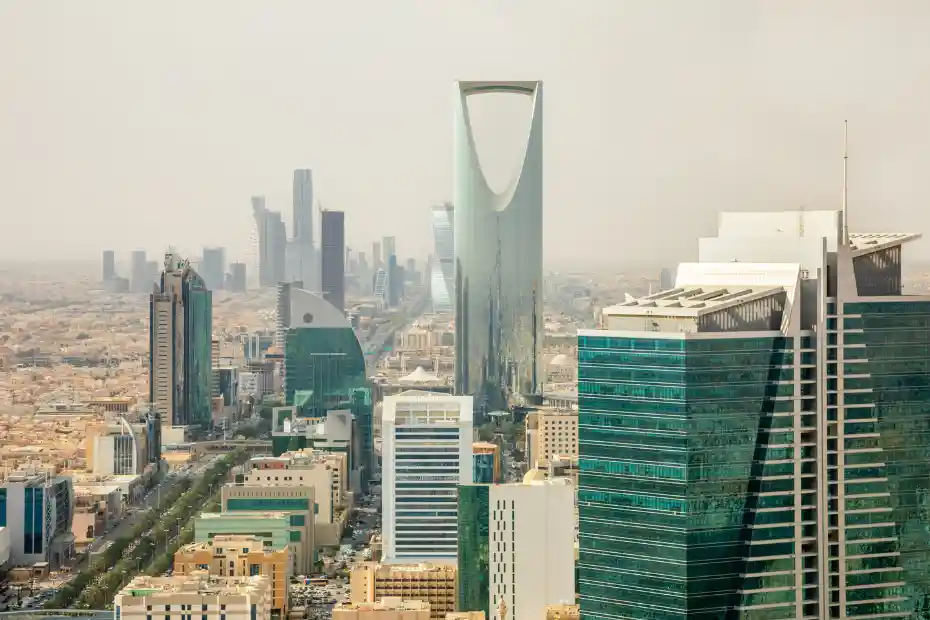
Amidst the turbulent political and military environment in the Middle East, Saudi Arabia’s airspace has become an essential corridor for global aviation, ensuring continued air travel safety and stability. In response to the rising tensions following recent U.S. airstrikes on Iran’s nuclear facilities and Tehran’s retaliatory missile attacks on U.S. military bases in Qatar, Saudi Arabia has strategically opened its airspace to accommodate a surge in international flights being diverted around conflict zones. This critical decision has helped ensure the safe passage of over 1,330 flights daily—almost double the volume seen prior to the crisis.
The situation in the Middle East has grown increasingly volatile, with flight routes over Iraq, Iran, and the Gulf severely impacted by the escalating conflict. As a result, many airlines were forced to reroute their flights to avoid the affected areas. Saudi Arabia, recognizing the gravity of the situation, quickly mobilized its air navigation and operational resources to meet the unprecedented demand for alternative flight paths. According to the General Authority of Civil Aviation (GACA), over 220 airlines have relied on Saudi air corridors in recent days, positioning the Kingdom as a crucial safe passage zone amid the ongoing disruptions.
In response to the influx of diverted flights, GACA took immediate action to expand the nation’s airspace capacity. This involved opening additional air corridors and activating emergency operational protocols. GACA’s efforts included leveraging advanced navigational technologies and enhancing safety and surveillance systems in full alignment with the International Civil Aviation Organization (ICAO) standards. The authority issued a statement emphasizing the importance of maintaining uninterrupted air traffic during these exceptional circumstances.
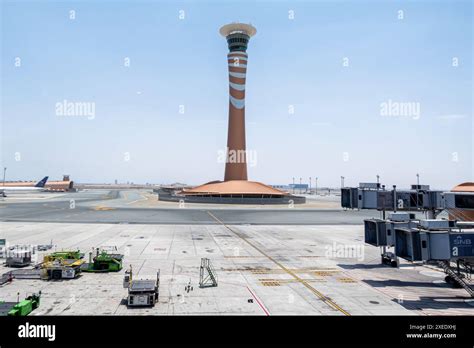
The Kingdom’s rapid and efficient crisis management efforts also involved the mobilization of more than 1,900 aviation professionals. This dedicated team of professionals, including more than 700 certified air traffic controllers, was tasked with overseeing air traffic and ensuring smooth operations. The air navigation network is supported by 20 control towers, 10 approach control centres, and 2 regional control hubs managing 15 flight sectors across the country. Additionally, more than 1,200 navigation devices are integrated into the system to guarantee accurate and efficient flight routing.
The scale of the response was immense, involving real-time coordination between local and regional operators through cutting-edge data processing systems. These systems enabled swift decision-making, seamless routing, and uninterrupted flight operations, ensuring the safety of air travelers during this turbulent time. This sudden surge in air traffic came on the heels of a significant escalation in regional hostilities. Earlier this week, U.S. forces carried out airstrikes on Iranian nuclear sites, triggering a retaliatory response from Tehran in the form of missile strikes on U.S. military installations in Qatar. The conflict has led to widespread disruptions across regional air routes, particularly in the airspaces over Iraq, Iran, and the Gulf, further exacerbating an already tense situation.
In this chaotic environment, Saudi Arabia’s airspace has become a critical route for international air travel, providing a safe and reliable passage for aircraft, even as regional political instability continues to grow. As airlines adjust their operations to avoid the conflict zones, Saudi Arabia’s ability to maintain an open, secure, and well-coordinated airspace is proving to be of vital importance for the global aviation network.
Saudi Arabia’s sophisticated air navigation infrastructure is one of the most advanced in the world. The Kingdom’s airspace is managed by a network of 20 control towers, 2 regional control hubs overseeing 15 flight sectors, and 10 approach control centres. Saudi Arabia’s air navigation system, supported by over 1,900 aviation experts, including more than 700 certified air traffic controllers, guarantees the seamless and secure operation of international air traffic, even in times of crisis. This extensive network, coupled with the Kingdom’s rapid response to the current geopolitical instability, positions Saudi Arabia as a cornerstone in maintaining the stability of global air travel during turbulent times.