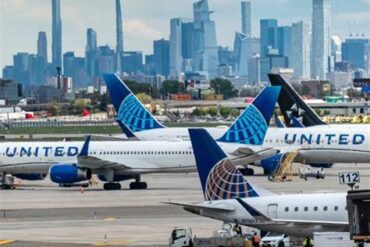
Tensions in the Middle East have escalated into a full-blown aviation crisis, forcing leading U.S. carriers to suspend an expanding list of flights to the region. As regional airspace becomes increasingly volatile due to ongoing military activity, American Airlines, United Airlines, and Delta Air Lines have taken decisive action to protect passengers and crews, suspending flights on some of their most strategically important international routes.
The decision comes on the heels of heightened conflict, particularly between Israel and Iran, which has already prompted airspace closures and disruptions at key Middle Eastern airports. As military operations intensify, ripple effects are being felt across the global aviation network.
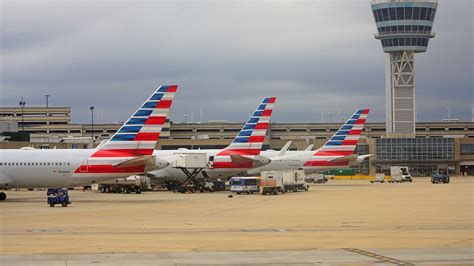
American Airlines Suspends Philadelphia–Doha Service Amid Security Uncertainty
American Airlines was among the first to respond decisively to rising tensions, confirming that its Philadelphia–Doha route has been suspended until at least June 22, 2025. The final flight on this route departed on June 19, and the airline has not committed to a firm resumption date. American emphasized that it continues to assess the situation in real-time, working closely with government agencies and security experts to determine when it will be safe to reinstate services.
This is not the first time American has pulled back from the region. Its New York–Tel Aviv flights have remained suspended since October 2023, when the airline initially halted operations due to instability tied to escalating conflict. That suspension has now stretched into a multi-year disruption, reflecting how prolonged and unpredictable this crisis has become for commercial aviation.
United Airlines Halts Newark–Dubai Flights Indefinitely
United Airlines has also reacted strongly to the deteriorating security environment. The carrier suspended its daily Newark–Dubai service indefinitely, citing the increasingly unstable geopolitical climate as a core driver behind the decision. As with American, United pledged ongoing assistance to customers affected by the route’s suspension and reassured the public that it remains committed to passenger safety above all else.
This is the second major Middle East route United has shelved in recent years. In response to earlier phases of the conflict, United suspended its New York–Tel Aviv service — a route that has yet to resume. The current shutdown of Dubai service effectively eliminates United’s presence in the Middle East for the foreseeable future.
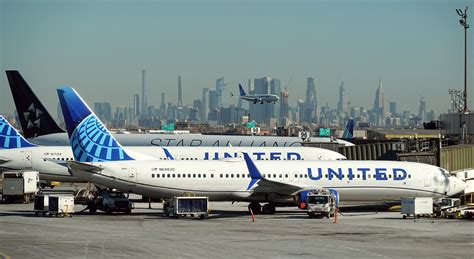
Delta Extends Tel Aviv Suspension Through August 2025
Delta Air Lines, another major U.S. player in transcontinental routes, has extended its own suspension of New York–Tel Aviv flights through August 31, 2025. Initially a temporary measure, the continuation of this suspension marks Delta’s recognition that normal operations in the region may be unsafe for months to come. In a statement, Delta reiterated its commitment to a “safety-first” strategy, acknowledging that the risk environment remains far too fluid to predict a resumption timeline.
The prolonged absence of direct flights between the U.S. and Tel Aviv underscores how deeply the regional conflict has affected global air connectivity. Israel, a key economic and tech hub, typically draws substantial air traffic from the U.S. But with Delta, United, and American all suspending service, travelers now face dwindling options.
Regional Conflict Escalates: Israel–Iran Airstrikes Disrupt Airspace
The root of the disruption lies in a surge of military conflict, particularly airstrikes launched by Israel against Iran. These actions have inflamed existing regional tensions, sparking a chain reaction that has impacted aviation operations far beyond the immediate zones of conflict. Last week, several Middle Eastern airports, including major transit hubs, were temporarily closed due to active military threats and airspace restrictions.
Although some of these airports have since resumed limited operations, the instability of the airspace continues to present major challenges for carriers. Airlines must now continuously re-route aircraft around contested zones, often at the expense of fuel efficiency, flight times, and scheduling consistency. For U.S. carriers, the risk has become too high, prompting sweeping suspensions to avoid placing lives at risk.
The Passenger Impact: Stranded, Stressed, and Searching for Options
Travelers who had booked flights to or from the Middle East with U.S. airlines now find themselves caught in a web of cancellations, reschedulings, and uncertainty. Many were left stranded after their flights were abruptly cancelled, while others face the challenge of finding alternate routes with foreign or regional airlines that continue to operate in the area.
For affected passengers, the lack of available direct alternatives means rerouting through Europe or Asia, significantly increasing travel time and cost. Moreover, some destinations — particularly Doha, Dubai, and Tel Aviv — are major transit points, so the suspensions are affecting not just origin-destination traffic, but also long-haul connections between the Americas, Asia, and Africa.
Travelers are now strongly advised to:
- Stay in frequent contact with their airline for schedule updates.
- Consider alternate carriers for urgent travel needs.
- Review travel insurance policies for coverage of geopolitical disruptions.
In the longer term, this episode raises broader questions about how airlines can better protect passengers from the downstream effects of international conflict.
Industry-Wide Repercussions: Strategic Rethinking of Risk Management
The sweeping flight suspensions by American, United, and Delta point to an urgent and industry-wide reckoning over how geopolitical risks are evaluated and managed in flight planning. Traditionally, international carriers have relied on guidance from regulatory bodies and international aviation agencies to assess safe corridors. However, the speed and unpredictability of the current Middle East conflict highlight the limitations of reactive safety measures.
Leading carriers are now reconsidering how they:
- Monitor real-time conflict zones.
- Decide when to suspend or resume flights.
- Coordinate with intelligence and military sources.
The era of relying solely on NOTAMs (Notices to Airmen) and routine advisories is coming to an end. Airlines must adopt more proactive risk assessment protocols, supported by data analytics, satellite tracking, and military-grade intelligence sharing.

Long-Term Outlook: A Shrinking Sky for U.S.–Middle East Routes
The longer the conflict persists, the more entrenched these flight suspensions may become. With each month of suspended operations, airlines risk losing:
- Revenue from lucrative international routes.
- Market share to foreign carriers not subject to the same restrictions.
- Customer trust due to canceled itineraries and stranded travelers.
For the Middle East itself, the crisis could have a chilling effect on tourism, business travel, and cargo logistics, all of which are heavily dependent on stable aviation corridors. Even if hostilities de-escalate in the near term, the process of rebuilding confidence in the airspace could take years.
The suspension of flights to key Middle Eastern hubs by all three major U.S. carriers suggests that we may be entering a new era of risk-averse route planning, particularly for regions with persistent conflict. Airlines are now being forced to weigh geopolitical volatility just as seriously as weather, maintenance, or demand when charting their future networks.
Conclusion: Safety Overreach or Strategic Prudence?
Whether these moves will be seen in hindsight as overcautious or forward-thinking remains to be seen. What is clear, however, is that the aviation industry’s tolerance for regional risk is shrinking. The implications of these suspensions reach far beyond individual airlines and touch the very core of global mobility, diplomacy, and commerce.
As the crisis in the Middle East unfolds, travelers, carriers, and regulators alike are being reminded that the skies are not immune to geopolitics — and that sometimes, the safest path is not to fly at all.