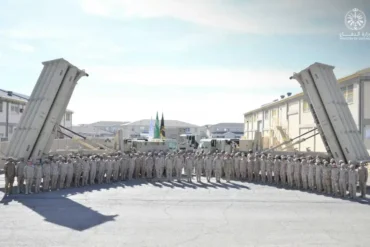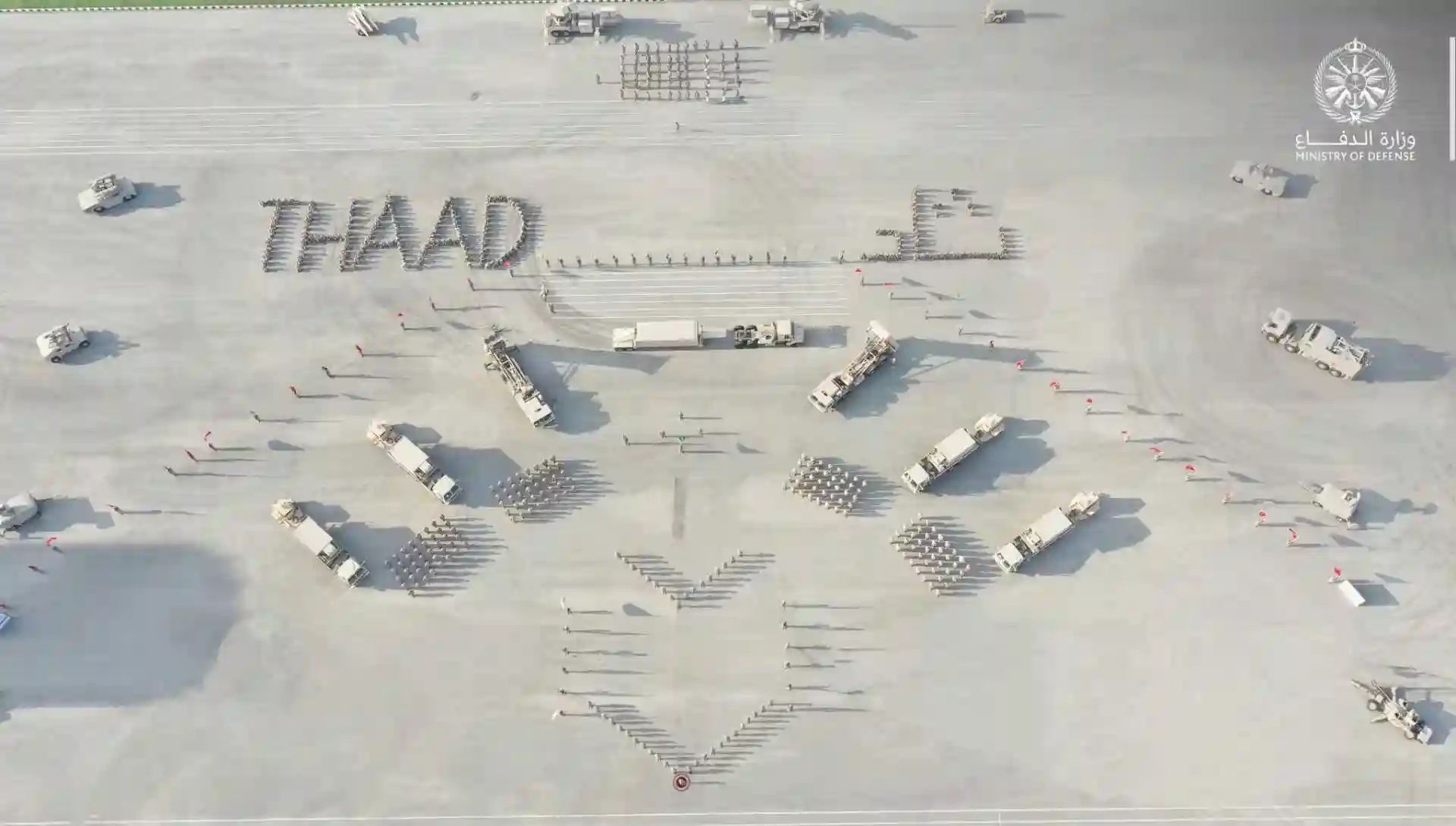
On July 2, 2025, Saudi Arabia’s Royal Air Defense Forces achieved a significant milestone in their military modernization efforts with the commissioning of their first U.S.-made Terminal High Altitude Area Defense (THAAD) system. The ceremony, which took place at the Air Defense Forces Institute in Jeddah, marks a pivotal moment for the Kingdom, as they integrate cutting-edge defense technology into their arsenal. The THAAD system, a sophisticated mobile anti-ballistic missile defense solution, has been activated after comprehensive testing, system integration, and domestic field training.
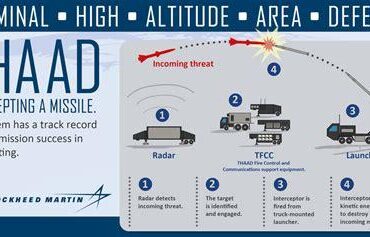
The THAAD system represents a leap forward in Saudi Arabia’s ballistic missile defense capabilities. Developed by Lockheed Martin, THAAD is designed to intercept short-, medium-, and intermediate-range ballistic missiles during their terminal phase. Unlike other missile defense systems, THAAD uses hit-to-kill technology, relying on kinetic energy to destroy incoming threats without the use of warheads. This technological approach offers unparalleled precision and reliability in missile interception.
The commissioning of the first THAAD battery follows an intensive training process that began in the United States at Fort Bliss, Texas, and culminated in a series of collective field exercises conducted in Saudi Arabia. The system’s integration into the Royal Saudi Air Defense Forces highlights the country’s commitment to enhancing its defense posture against regional threats, particularly the growing missile capabilities of adversarial states in the Gulf.
THAAD System Capabilities and Features
The THAAD system consists of several key components: radar, launchers, tactical stations, and interceptor missiles. The system’s radar, the AN/TPY-2, developed by Raytheon, is capable of tracking and targeting ballistic missiles at extended ranges, while the launchers are equipped with missiles designed for interception. Each THAAD battery typically includes six launchers, with eight missiles per launcher, providing a substantial capacity for intercepting threats.
The system is capable of defending against missiles traveling at altitudes of up to 150 kilometers, with a maximum interception range of 200 kilometers. The THAAD system’s ability to engage targets both inside and outside the atmosphere provides a unique and valuable layer of defense, particularly for intercepting missiles potentially carrying weapons of mass destruction.
Strategic Importance of THAAD for Saudi Arabia
Saudi Arabia’s decision to deploy THAAD comes amidst growing missile threats in the region, particularly from Iran. In May 2025, reports indicated that Iranian missiles struck Qatar, underscoring the vulnerability of Gulf states to missile strikes. This attack and the ongoing geopolitical tensions in the region have made the activation of the THAAD system a strategic necessity for Saudi Arabia.
THAAD’s deployment is part of a broader regional trend, with the United Arab Emirates (UAE) becoming the first Gulf nation to deploy the system in 2011. Following its successful integration into UAE defense forces, Saudi Arabia’s decision to acquire and deploy THAAD further strengthens the missile defense architecture of the Gulf region.
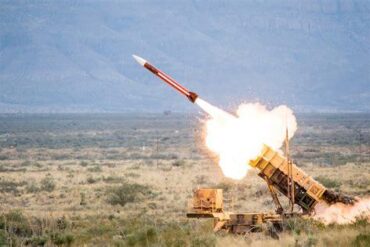
As Saudi Arabia modernizes its military capabilities, THAAD plays a crucial role in protecting the Kingdom’s critical infrastructure and strategic assets from potential missile threats. The system’s exo-atmospheric interception capabilities provide a layer of defense that complements Saudi Arabia’s existing lower-altitude missile defense systems, such as the Patriot PAC-3.
The THAAD Procurement Deal and Its Implications
The U.S. State Department approved the sale of THAAD systems to Saudi Arabia in October 2017 under a Foreign Military Sale agreement worth $15 billion. This agreement covers the delivery of seven fire units, each including radar, launchers, tactical stations, and 360 interceptor missiles. The deal was intended to counter the growing missile threat from Iran and bolster Saudi Arabia’s defense capabilities.
The acquisition of THAAD by Saudi Arabia is aligned with the Kingdom’s Vision 2030 strategy, which aims to enhance local defense production capabilities and reduce dependency on foreign imports. As part of this effort, Saudi Arabia has also invested in the domestic production of key THAAD components, such as the Missile Round Pallet-Transportable (MRP-T), a logistical component for transporting THAAD missiles.
This domestic production initiative is a significant step in achieving the Kingdom’s goal of producing 50 percent of its defense needs locally by 2030. The successful localization of key THAAD components demonstrates Saudi Arabia’s commitment to increasing its self-sufficiency in defense production, while simultaneously strengthening the local defense industry.
Expanding Regional Influence Through THAAD Deployment
The strategic deployment of THAAD in Saudi Arabia also sends a clear signal about the Kingdom’s growing influence in the region. In addition to enhancing its own defense posture, Saudi Arabia’s decision to procure THAAD is likely to influence the broader Gulf Cooperation Council (GCC) defense strategy.
Saudi Arabia is not alone in its pursuit of advanced missile defense systems. Qatar is expected to be the next Gulf state to acquire THAAD, following a $42 billion U.S. military hardware deal signed in May 2025. With the Kingdom’s activation of THAAD, Saudi Arabia further strengthens its leadership role in regional defense matters.
The growing presence of U.S. missile defense systems in the Middle East reflects the U.S. commitment to maintaining regional stability and countering missile threats from adversarial states. Saudi Arabia’s acquisition of THAAD complements other U.S. defense partnerships in the region and underscores the Kingdom’s role as a central player in Middle Eastern security.
Future Prospects and Expansion Plans
Saudi Arabia’s plans for expanding its missile defense capabilities are ambitious. By 2028, the Kingdom aims to deploy a total of seven THAAD batteries, further cementing its position as one of the most advanced missile defense operators in the region. The Kingdom’s commitment to expanding its missile defense architecture highlights its awareness of the evolving threat landscape and its determination to protect national security.
As Saudi Arabia continues to modernize its military, the THAAD system will play a key role in safeguarding the Kingdom’s sovereignty. The integration of THAAD into the Royal Saudi Air Defense Forces marks the beginning of a new chapter in the Kingdom’s defense strategy, which emphasizes the need for a multi-layered and robust missile defense system.
Conclusion
Saudi Arabia’s decision to deploy its first U.S.-made THAAD battery is a crucial step in strengthening the Kingdom’s defense capabilities in the face of rising missile threats. The activation of THAAD is a testament to the Kingdom’s commitment to safeguarding its sovereignty and protecting its critical infrastructure. As Saudi Arabia continues to modernize its military and defense industry, the deployment of THAAD represents a significant milestone in the Kingdom’s journey toward greater self-sufficiency and regional influence.
With the continued expansion of its missile defense systems, Saudi Arabia is poised to play a leading role in shaping the security landscape of the Gulf region and beyond.