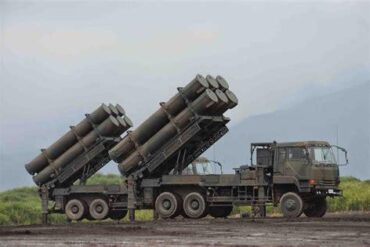
On July 26, 2025, Iran executed its first known field test of the Russian-made S-400 Triumf air defense missile system, marking a pivotal escalation in the nation’s evolving strategic air defense capabilities. According to reports from Iranian media outlet Birun.info, the test was carried out near Isfahan, a central Iranian city located approximately 440 km south of Tehran. This marks a watershed moment for Iran’s air defense doctrine, reflecting not just a modernization effort but also a recalibrated approach to countering airborne threats from state and non-state adversaries.
Strategic Significance of the Isfahan Location
The decision to conduct this operational field test near Isfahan is not coincidental. Isfahan is home to some of Iran’s most critical nuclear and military infrastructure, including enrichment facilities and key aerospace complexes. The positioning of the S-400 system here sends a strong geopolitical signal: Iran is preparing to create layered, high-altitude air defense zones around its most sensitive installations. Such coverage significantly complicates the calculus of aerial strike planners, particularly for Western-aligned militaries like those of Israel, the United States, and Gulf states.
Observers in Isfahan noted a significant uptick in radar emissions and transporter erector launcher movements in the weeks leading up to the test. These developments appear to confirm that the drill was more than symbolic—it represented a fully structured operational validation of the S-400’s battlefield readiness within Iranian territory.
Full Deployment of a Russian S-400 Battery
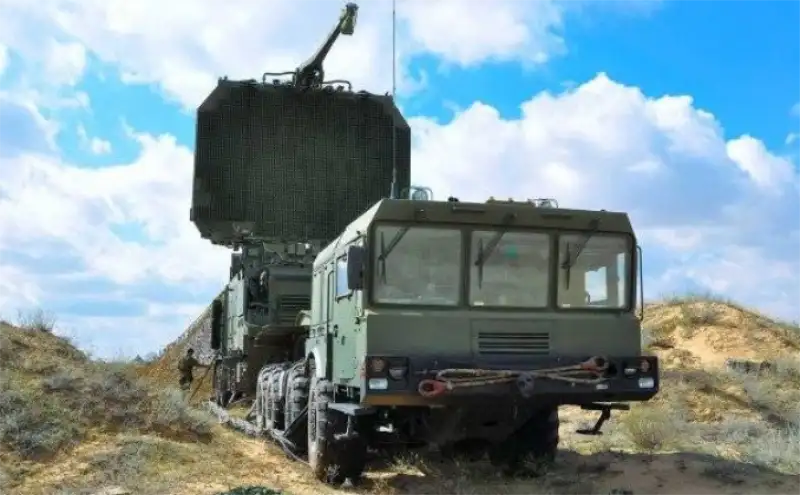
The test reportedly involved a complete S-400 battery, suggesting a robust level of operational integration. Systems observed include:
- 91N6E “Big Bird” acquisition radar for wide-area airspace monitoring
- 92N6E “Grave Stone” engagement radar for fire control and tracking
- A centralized command and control post
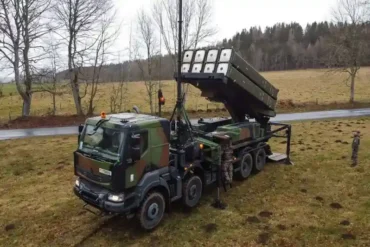
- Multiple 5P85TE2 transporter erector launchers
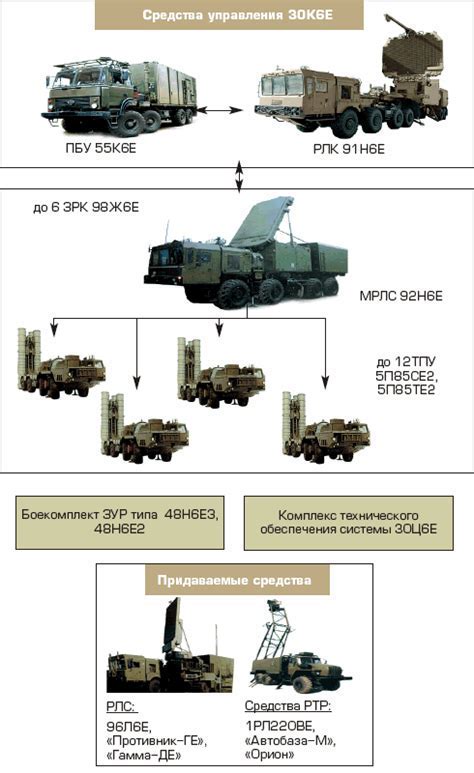
Crucially, the missile types believed to be tested include the 48N6E3 and possibly the 40N6, both capable of engaging targets at ranges exceeding 250 km and up to 400 km, respectively. The S-400’s multi-missile architecture, which allows for engagements across various ranges and altitudes simultaneously, adds a significant layered defense capacity to Iran’s existing air defense ecosystem.
From Rumor to Reality: The S-400’s Arrival in Iran
The presence of the S-400 in Iran had long been a topic of speculation and denial. Initial reports of delivery surfaced in August 2024, when a Russian Il-76 military transport aircraft reportedly landed in Tehran carrying key system components. Though Iran’s Islamic Revolutionary Guard Corps (IRGC) denied the acquisition at the time, citing confidence in domestically developed systems such as the Bavar-373 and Khordad 15, the scale and sophistication of the July 2025 test suggest otherwise.
It is now evident that Iran covertly received and integrated the S-400 into its broader defense network. This acquisition likely follows a request made in early 2024, primarily aimed at defending nuclear infrastructure, which remains a perennial flashpoint in Tehran’s tensions with the West.
Deepening Military Ties Between Iran and Russia
Iran’s operationalization of the S-400 reflects the deepening strategic partnership with Russia, especially since 2022. The alliance has transcended diplomacy and evolved into an active military cooperation pact, with Iran supplying loitering munitions and drone technologies used in the Ukrainian conflict and Russia reciprocating with air defense systems, electronic warfare platforms, and technical advisors.
Joint military drills, arms transfers, and closed-door delegations have become increasingly frequent. This mutualistic defense relationship is not merely transactional; it is based on a shared agenda of counterbalancing Western military influence, particularly from the United States and NATO-aligned nations. The arrival and field testing of the S-400 system is a natural progression of this bilateral framework.
A Closer Look at the S-400 Triumf’s Capabilities
The S-400 Triumf, developed by Almaz-Antey, stands among the world’s most formidable long-range surface-to-air missile (SAM) systems. It is engineered to detect, track, and eliminate a variety of airborne threats, including fighter jets, cruise missiles, drones, and ballistic projectiles. With a range envelope reaching up to 400 kilometers and the capability to strike targets at altitudes of 30 kilometers, it provides strategic area denial far beyond Iran’s borders.
Key features include:
- Multifunction phased-array radar with long-range detection capabilities
- Tracking of up to 80 targets simultaneously
- Engagement of 36 targets at once with different missile types
- High resilience against electronic jamming and decoy systems
The S-400’s modular design allows operators to deploy a mix of 48N6E3, 40N6, and 9M96-series missiles for precision strike versatility, forming a layered defense against low, medium, and high-altitude threats.
Implications for Regional Military Dynamics
With this field test, Iran joins a select club of nations—including China, India, and Turkey—that operate the S-400 system. This shifts the regional air power equilibrium, particularly at a time when tensions with Israel and the United States remain high. The S-400’s presence in Iran imposes new constraints on preemptive or retaliatory strike options that adversaries might consider.
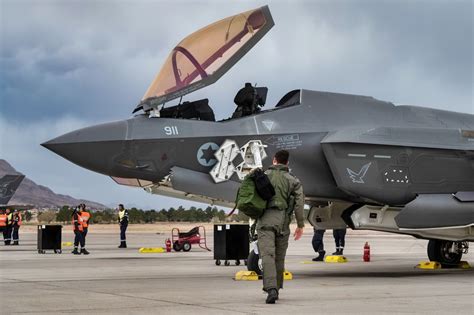
For regional air forces, including those of Saudi Arabia, the UAE, and Israel, the operational S-400 network introduces significant planning complexity. Even stealth aircraft and stand-off munitions now face a higher-risk operating environment in Iranian airspace. This may compel adversaries to pursue next-generation electronic warfare tactics, hypersonic platforms, or more sophisticated decoys to breach these defense layers.
Impact on Iran’s Indigenous Defense Development
The operational deployment of the S-400 does not necessarily undermine Iran’s domestic air defense ambitions. Instead, it could complement and even accelerate indigenous development. Systems like the Bavar-373 and Khordad 15 will likely integrate with Russian assets under a hybrid defense command, enabling a more adaptive and layered national air defense grid.
This integration also provides Iran with technical insights into Russian sensor fusion, radar data management, and multi-platform interoperability—capabilities that could be reverse-engineered or adapted for future locally-produced systems.
Tehran’s Evolving Deterrence Posture
The deployment of the S-400 forms part of a broader Iranian strategy aimed at deterring aerial aggression through capability signaling. By showcasing advanced long-range air defense, Tehran is attempting to raise the cost of potential attacks, especially on high-value targets like nuclear facilities, missile research centers, and critical command infrastructure.
More than a military upgrade, the S-400’s presence represents a doctrinal shift. Iran is now embracing multi-domain deterrence, where air defense not only protects assets but also projects power by shaping the enemy’s perception of risk.
What Comes Next?
While no official Iranian or Russian confirmation has been issued regarding the test, the circumstantial evidence is overwhelmingly consistent with a structured operational deployment. Western intelligence and regional militaries are already adapting to this new reality.
Expect increased reconnaissance flights, cyber-electronic warfare drills, and possibly preemptive regional defense alignments as stakeholders reassess their options. The balance of air dominance in the Middle East has been irreversibly altered.
Conclusion: A New Layer in the Middle East’s Security Equation
Iran’s first field test of the S-400 Triumf is not merely a military maneuver—it is a strategic message broadcast across the region. It affirms Iran’s commitment to technological parity with its adversaries and highlights the tightening axis between Moscow and Tehran. For regional and global security planners, this development demands immediate recalibration of defense doctrines, investment in penetrative technologies, and perhaps, a renewed push for diplomatic engagement before escalation becomes inevitable.