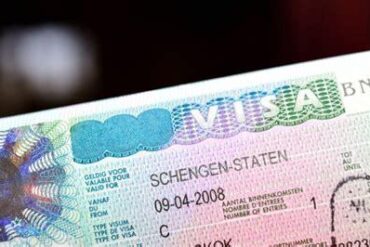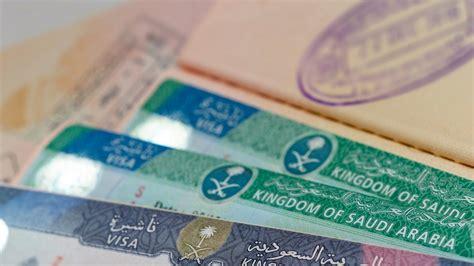
Saudi Arabia has officially launched a transformative visa-on-arrival policy aimed at accelerating its tourism momentum ahead of the Summer 2025 travel season. Effective immediately, holders of valid Schengen, UK, or US visas, as well as residents of these regions, are now eligible to receive visas upon arrival at designated Saudi entry points. This game-changing initiative is a bold step within the framework of Vision 2030, a strategic program to diversify the Kingdom’s economy and significantly enhance its global tourism footprint.
The move is expected to redefine the regional travel landscape, offering streamlined access to millions of potential visitors across continents. As global interest in Saudi Arabia’s cultural, religious, and leisure tourism offerings intensifies, the relaxed visa policy signals a warm invitation to explore the nation’s iconic destinations and cutting-edge developments.
Expanding Access to Millions: Inclusive Eligibility Criteria
One of the most striking features of the new visa policy is its inclusive scope. Eligibility is not limited to citizens of the Schengen Area, the United Kingdom, or the United States. Rather, any traveler who holds a valid visa from these regions or resides there qualifies for the visa-on-arrival scheme. This crucial nuance opens doors to travelers from Asia, Africa, Latin America, and beyond, many of whom already maintain active travel credentials from these major blocs.
This policy dramatically reduces traditional bureaucratic friction. With visa services available at key airports—including King Khalid International Airport in Riyadh, King Abdulaziz International in Jeddah, and King Fahd International in Dammam—arrivals can now enjoy a faster, more seamless entry process. Such efficiency is vital in attracting short-notice travelers, last-minute bookings, and spontaneous tourism.
Vision 2030 and the Strategic Tourism Push
The visa overhaul forms an integral part of Saudi Arabia’s Vision 2030, spearheaded by Crown Prince Mohammed bin Salman. The national initiative seeks to position the Kingdom among the world’s top tourist destinations by unlocking the value of untapped heritage sites, fostering entertainment infrastructure, and welcoming diverse visitor demographics. Tourism, which accounted for roughly 4% of Saudi Arabia’s GDP in 2023, is targeted to exceed 10% by 2030, supported by regulatory reforms, infrastructure investments, and aggressive global marketing campaigns.
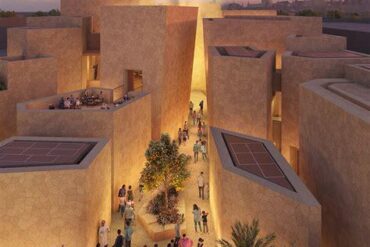
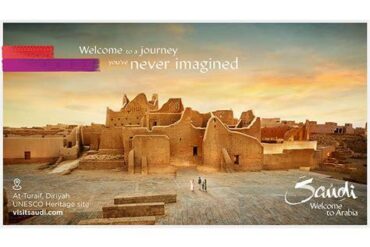
High-profile mega-projects like NEOM, the Red Sea Project, Diriyah Gate, and AlUla have captured international attention, offering glimpses into a future where Saudi Arabia seamlessly blends futuristic innovation with its rich cultural past.
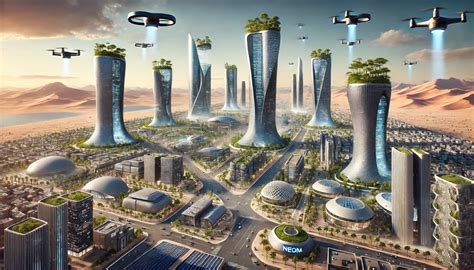
These massive developments are paired with smart tech integration. Digitalized border control, e-services for visa applications, and real-time traveler support systems have been prioritized to enhance the visitor experience and accommodate surging volumes.
Religious Tourism Restored After Hajj 2025
Following the successful conclusion of Hajj 2025, the Kingdom has lifted entry restrictions to Makkah, allowing pilgrims and tourists holding valid religious or travel documentation to resume their spiritual journeys. The Umrah visa system officially reopened on June 10, just one day after pilgrims completed the farewell tawaf, the symbolic closure of the Hajj rituals.
During the preparation and peak of Hajj, Saudi authorities had paused various visa issuances—including Umrah, tourist, and family visit visas—to maintain crowd control and ensure the safety of the millions of pilgrims. With that phase now behind, the resumption reflects Saudi Arabia’s dual capability: handling some of the world’s largest religious gatherings while maintaining robust international connectivity.
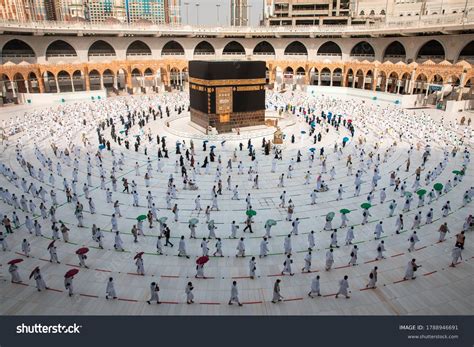
This religious openness reaffirms the Kingdom’s status as the spiritual heart of the Islamic world, offering year-round access to Makkah and Madinah while also supporting regional hospitality sectors deeply intertwined with pilgrimage travel.
Summer 2025: Peak Travel Season Meets Policy Reform
The timing of this policy reform could not be more strategic. Summer 2025 is forecasted to be one of the most active travel periods in the Middle East, with international events, festivals, and leisure travel converging into a perfect storm of tourism opportunity. Central to this season is the Esports World Cup, set to electrify Riyadh with global talent and tens of thousands of international attendees.
In addition to gaming fans, Saudi Arabia is primed to host a wide range of travelers seeking its scenic treasures: from the azure waters and coral reefs of the Red Sea coast, to tranquil desert escapes, historical forts, and modern cosmopolitan hubs. Seasonal programming and entertainment initiatives are being expanded to align with the expected influx.
This deliberate calendar alignment between tourism incentives and flagship events reflects the growing sophistication of Saudi Arabia’s travel and hospitality strategy.

Infrastructure and Accessibility Upgrades
To complement the visa-on-arrival initiative, Saudi Arabia has been modernizing airport terminals, enhancing hospitality offerings, and streamlining logistics through public-private partnerships. Riyadh, in particular, has witnessed rapid airport expansion, while new transport links—including high-speed rail connections between Makkah, Madinah, and Jeddah—make religious and leisure travel more accessible than ever.
There has also been a noticeable expansion in accommodation offerings. International hotel chains are rapidly entering the Saudi market, while domestic hospitality brands are innovating with boutique resorts and heritage-inspired lodging. These efforts aim to meet both the quantity and quality demands of global travelers.
Competitive Edge in the Middle East Travel Market
By enabling visa-on-arrival access to travelers already vetted by trusted nations, Saudi Arabia gains a competitive advantage over neighboring destinations that still require prior approvals. This opens the door to high-spending tourists, digital nomads, and business professionals, creating a ripple effect through retail, transportation, dining, and events sectors.
This policy shift also reinforces the Kingdom’s broader messaging: Saudi Arabia is no longer a closed, hard-to-access destination. Rather, it is positioning itself as a progressive, welcoming country with a multifaceted offering.
Encouraging Spontaneous and Repeat Travel
In an era where travelers increasingly book last-minute trips based on trends, recommendations, and social content, ease of access becomes a decisive factor. The visa-on-arrival mechanism removes the psychological and logistical friction of pre-planning, enabling repeat visits and spur-of-the-moment decisions. This is particularly effective for those within short-haul regions or frequent fliers seeking alternative weekend getaways.
Furthermore, the simplification of entry requirements encourages family reunifications, diaspora visits, and longer-term explorations, all of which add resilience and depth to the tourism ecosystem.
Global Messaging and Outreach
Saudi Arabia is also doubling down on international outreach. Tourism authorities have embarked on global roadshows, digital marketing campaigns, and bilateral partnerships to ensure that the new visa reforms are well-publicized and correctly understood. Collaborations with airlines, travel platforms, influencers, and content creators have ensured that Saudi Arabia’s revamped image reaches mobile, digital-first travelers.
Clear branding around themes like authenticity, modernity, and spiritual significance is helping Saudi Arabia cut through a crowded travel marketplace.
Looking Ahead: The Long-Term Impact
While the immediate goal is to drive traffic during Summer 2025, the longer-term implications of this policy are substantial. By fostering a more open, streamlined travel environment, Saudi Arabia is setting the stage for year-round tourism, resilient to seasonal fluctuations.
As infrastructure catches up with ambition, and word-of-mouth continues to spread, the Kingdom is poised to evolve from a niche destination into a mainstay of global travel itineraries. The ripple effects—employment generation, SME development, foreign investment—will play crucial roles in transforming the tourism economy into a pillar of national prosperity.
Final Thoughts
Saudi Arabia’s expanded visa-on-arrival policy is a milestone moment in its journey toward becoming a premier travel hub. It is not merely a relaxation of rules but a calculated move in a larger strategy to unlock the full potential of tourism. By offering access to a wider global audience, leveraging global events, and aligning with infrastructural upgrades, the Kingdom has laid a robust foundation for sustained growth.
This is a historic opening, not just for those seeking spiritual enrichment in Makkah and Madinah, but also for cultural adventurers, entrepreneurs, and global citizens ready to explore a new era of Saudi hospitality.